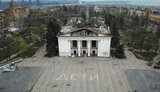
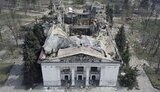
Theater continues to play a significant role amidst turmoil in Ukraine. After the missile strike on the Chernihiv Drama Theater, Russian military personnel face scrutiny. The Mariupol drama theater stands as a haunting reminder of past tragedies, with its reopening marking a controversial chapter. Meanwhile, the bravery of Ukrainian artists, many of whom have faced tragic fates on the frontlines, underscores their commitment to defending their nation. These stories highlight the resilience and dedication of those in the theater community as they navigate the challenges posed by conflict, bringing to light the powerful intersection between cultural heritage and the ongoing strife.
Why is the Chernihiv Drama Theater significant in recent events?
The Chernihiv Drama Theater became a focal point following a missile strike attributed to Russian military actions, leading to the identification of three suspects. This incident highlights the ongoing impact of the conflict on cultural sites in Ukraine, underscoring the theater's symbolic importance and the broader implications for cultural preservation amidst warfare.
What is the controversy surrounding the Mariupol drama theater?
The Mariupol drama theater is controversial due to its history of destruction by Russian forces, resulting in numerous civilian casualties. Plans for its reopening by Russia are seen as contentious, given the theater's symbolic representation of past atrocities and the broader narrative of the conflict's impact on cultural heritage sites.
How are Ukrainian theater artists contributing to the national defense?
Many Ukrainian theater artists have joined the frontlines, showcasing their dedication to defending Ukraine. Tragically, several have lost their lives amid the conflict, highlighting the intertwining of cultural and military spheres and the sacrifices made by artists in the face of national adversity.
What role does UNESCO play in protecting Ukrainian cultural sites?
UNESCO's enhanced protection for Ukrainian cultural heritage sites highlights its role in safeguarding such locations amid ongoing conflicts. This protection underscores international efforts to preserve cultural identity and history, emphasizes the significance of cultural sites, and the challenges they face during warfare.
How has the Theater on Podil adapted its performances in recent times?
The Theater on Podil has adapted its performances by updating classic plays to reflect contemporary contexts. This includes modifying character names and settings to resonate with current audiences, thereby maintaining relevance and cultural engagement within the evolving artistic landscape.