As terrorism remains a critical global issue, recent developments highlight growing international concerns and actions. The U.S. is advancing legislation to classify Russia and Belarus as terrorism sponsors due to their roles in Ukraine. Meanwhile, a German investigation targets support for Russian terrorists in Donbas, and contentious incidents like a terrorist attack in Amsterdam stress the ongoing threats. The Security Service of Ukraine continues combating terrorism domestically, capturing Russian agents attempting attacks. Additionally, international bodies and governments, including the EU and NATO, debate recognizing Russia as a terrorism sponsor, reflecting shifting geopolitical dynamics. Understanding these complex interactions, partnerships, and judicial actions remains vital in addressing terrorism.
What recent actions has the US taken regarding state sponsorship of terrorism?
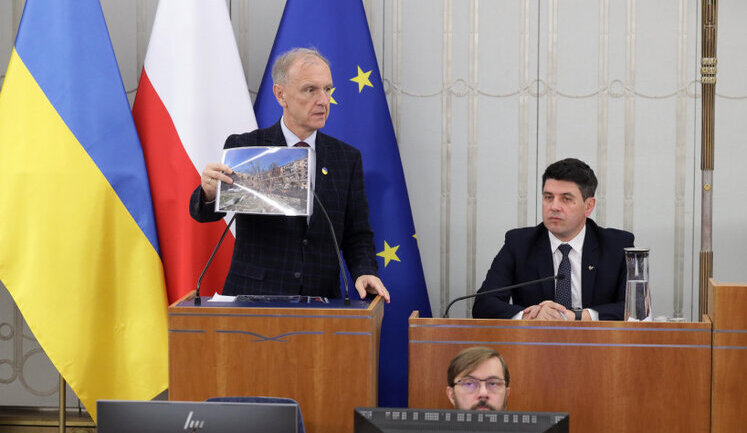
The US Senate is initiating a bill to recognize Russia and Belarus as state sponsors of terrorism, citing their involvement in the abduction of Ukrainian children. This reflects a broader trend in the US Congress to address geopolitical threats and align with international legal standards against terrorism, emphasizing accountability and global security cooperation.
How is Germany addressing terrorism-related activities within its borders?
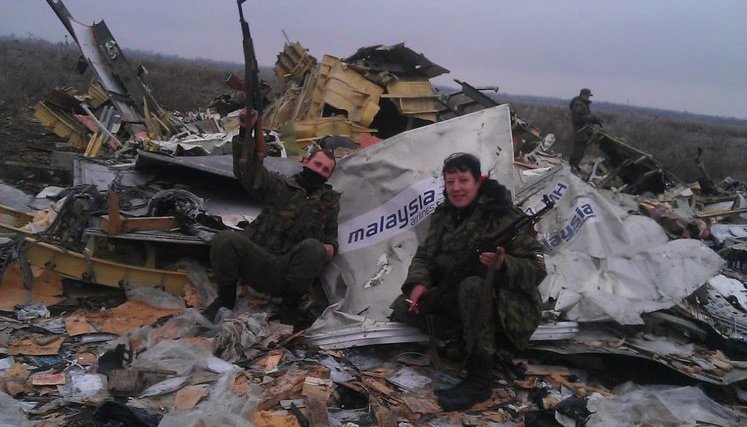
German authorities have intensified investigations into local terrorist support networks by conducting searches in Brandenburg. This action highlights Germany's commitment to combating terrorism by targeting foreign influences, particularly those linked to Russian activities in Eastern Ukraine, and ensuring its domestic security.
What measures is Ukraine taking to counter terrorism within its territory?
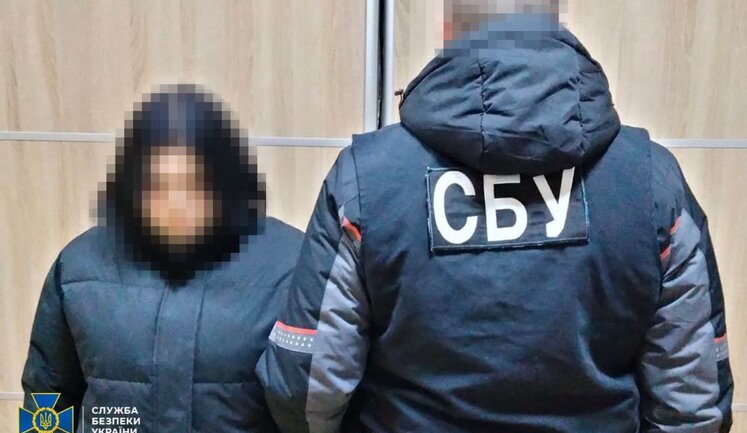
Ukraine's Security Service (SSU) is actively thwarting terrorism, evidenced by the recent arrest of a teenage Russian agent in Zhytomyr. The agent was found fabricating explosives with the intent of targeting police facilities. This intervention is part of a broader strategy to disrupt terrorist operations and maintain national security.
How have international organizations responded to Russia's actions relating to terrorism?
International bodies like the European Union and NATO have signaled alarm over Russia’s activities, considering resolutions to label the nation a state sponsor of terrorism. These discussions follow Russia's evident military alliances and escalated aggression, reinforcing international law and political pressure as tools to curb state-sponsored terrorism.
What role does geopolitical tension play in terrorism classification discussions?
Geopolitical tensions significantly influence terrorism classifications, as seen in ongoing debates to label Russia and its affiliates as sponsors of terrorism. These discussions stem from broader military and legal strategies, aiming to leverage international coalitions against perceived threats and uphold global security and peace.