Bulgaria is seeking European Union intervention amid fears of Russian interference in its upcoming elections. This calls attention to Bulgaria's role on the EU stage regarding Russian influence and interference concerns. Discussions have been ongoing about Bulgaria's nuclear reactors, tied to corruption concerns with President Zelenskyy considering purchasing them. Meanwhile, the signing of a security agreement between Ukraine and Bulgaria signifies deeper defence cooperation amid Bulgaria's military aid to Ukraine. These tensions reflect Bulgaria's strategic geopolitical position and ongoing diplomatic dialogues impacting the broader European security landscape.
What concerns does Bulgaria have about Russian election interference?
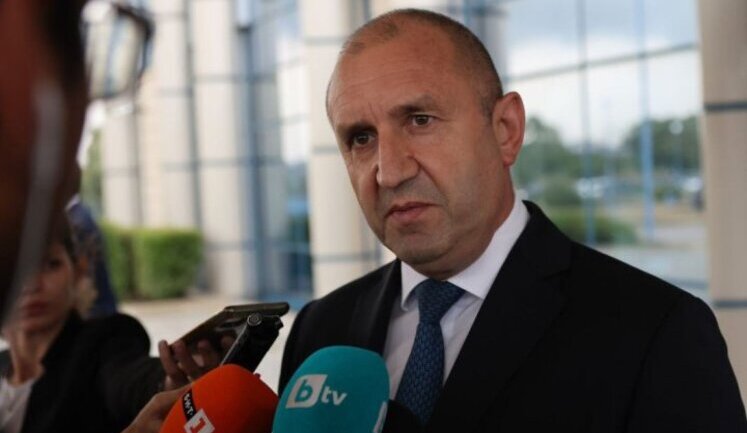
Bulgaria has appealed to the EU for assistance, citing concerns over possible Russian interference in its parliamentary elections. This appeal underscores the seriousness and potential impact such interference could have on Bulgaria's democratic processes and its broader political stability. The situation highlights the need for vigilance and cooperation among EU countries to safeguard electoral integrity.
Why is Volodymyr Zelenskyy interested in Bulgarian nuclear reactors?
Volodymyr Zelenskyy's interest in Bulgarian nuclear reactors is part of a broader initiative to enhance Ukraine's energy capabilities, although these plans are complicated by allegations of corruption surrounding the reactors. The potential acquisition highlights Ukraine's strategic focus on nuclear energy and the geopolitical considerations involved in such deals, underscoring the intersection of energy policy and international diplomacy.
What is the significance of the security agreement between Ukraine and Bulgaria?
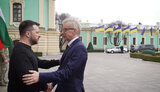
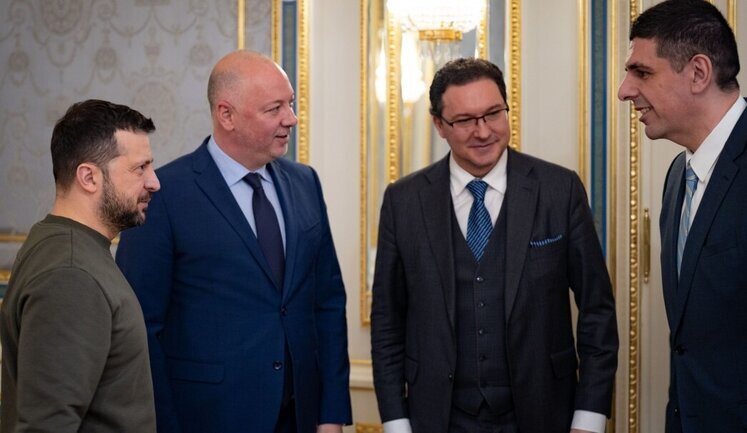
The 10-year security agreement between Ukraine and Bulgaria represents a significant commitment to joint defense efforts and regional stability. It underscores the importance of cooperative security arrangements in Eastern Europe, especially seen as a countermeasure against regional threats. Such agreements are critical for enhancing defense capabilities and fostering cohesive responses to security challenges, reflecting the strategic ties between the two nations.
How has Bulgaria contributed militarily to Ukraine since the war began?
Bulgaria has been a proactive supporter of Ukraine since the onset of the war, significantly contributing one-third of the total EU military aid to Ukraine. This encompasses various forms of military support, including equipment and training, showcasing Bulgaria's pivotal role in countering regional threats and supporting Ukraine's defense efforts. These actions reaffirm Bulgaria's commitment to aiding Ukraine and maintaining regional security dynamics.
Have there been any incidents involving Russian ships off the Bulgarian coast?
A Russian ship named Kairos, which was under sanctions, ran aground off the Bulgarian coast following an attack by the SSU naval drones. This incident underscores the fraught dynamics in the Black Sea and illustrates Bulgaria's strategic maritime position, challenging Russian naval activities. Such incidents amplify the tension in the region, highlighting the ongoing conflict and security considerations in maritime domains.