ENG




14876 visitors online
Bulgaria has been actively engaging in various geopolitical developments, focusing on its relationship with Ukraine. The country's Interior Ministry clarified that the Ukrainian drone found near the Trans-Balkan Gas Pipeline was not a combat drone, alleviating immediate security concerns. Additionally, Bulgaria's military factory in Belitsa experienced a series of explosions, drawing media attention. Despite recent political shifts, Bulgaria maintains its support for Ukraine, particularly in drone production and energy security. However, Prime Minister Rumen Radev announced Bulgaria's withdrawal from the "Coalition of the Willing," indicating a recalibration of its political alliances. Meanwhile, the Bulgarian Parliament rejected attempts by pro-Russian elements to dismantle a decade-long security agreement with Ukraine, showcasing legislative resolve. In another development, Bulgaria's Foreign Minister Velislava Petrova-Chamova emphasized ongoing cooperation with Ukraine, which includes potential initiatives for joint arms production. Amidst these happenings, Bulgaria faced domestic challenges as a bus accident on the Kyiv–Burgas route resulted in multiple casualties.
What was discovered about the drone found near Bulgaria's gas pipeline?
The Ukrainian drone that was found near the Trans-Balkan Gas Pipeline in Bulgaria on August 8 was confirmed by the country's Interior Ministry as non-combat in nature. This clarification helped to ease immediate security tensions and established that the incident was not a military threat, reflecting the complexity of assessing drone-related incidents in politically sensitive regions.
What are the implications of the explosions at the Bulgarian military factory?
The explosions at a military factory in the village of Belitsa have raised significant concerns about industrial safety and security protocols in Bulgaria. These incidents have prompted investigations into the causes and raised questions about potential impacts on the defense supply chain, as well as any possible repercussions for regional security dynamics given Bulgaria's strategic position in Europe.
How is Bulgaria involved in Ukraine's drone production efforts?
Bulgaria has signaled its interest in collaborating with Ukraine on drone production, with the Bulgarian Foreign Minister highlighting the opportunity to join European initiatives in this sector. This move is part of a broader support strategy that includes energy security collaboration and sanctions against Russia, reinforcing Bulgaria's commitment to strengthening ties with Ukraine amidst ongoing geopolitical tensions.
Why did Bulgaria withdraw from the "Coalition of the Willing"?
Bulgaria's decision to withdraw from the "Coalition of the Willing," as announced by Prime Minister Rumen Radev, reflects a strategic realignment of the country's foreign policy. This decision could be influenced by domestic political considerations and Bulgaria's economic interests, particularly in light of the complex relationship between Bulgaria, the EU, and Russia, impacting its international stance.
How did Bulgaria respond to attempts to dismantle the security agreement with Ukraine?
Bulgaria's Parliament successfully thwarted efforts by the pro-Russian 'Revival' party to repeal a security cooperation agreement with Ukraine. This legislative action demonstrates Bulgaria's commitment to maintaining its defense collaboration with Ukraine, underscoring the importance of security agreements in fortifying bilateral relations and regional stability amidst external pressures and internal political dynamics.
News Bulgaria
 Bulgarian Prime Minister Radev stated there is lack of evidence regarding Russian attacks on vessels in Black Sea Bulgarian Prime Minister Rumen Radev stated that Sofia currently has no conclusive evidence of Russia’s involvement in the attacks that caused several ships to sink off the Bulgarian Black Sea coast. At the same time, he acknowledged that the circumstances of the incidents point to the likely... 1 747 14 Previously in trend: Russia’s attack on civilian vessels
 Unidentified individuals in Bulgaria set fire to 11 of the 17 Starlink antennas: station serves, amongst others, members of Ukrainian Armed Forces At a site near the capital of Bulgaria, a fire destroyed or damaged more than half of the antennas belonging to the Starlink satellite system. The arson was first reported by an opposition MP, and the incident was later confirmed by the country’s Prime Minister, Rumen Radev. 2 830 10 Previously in trend: Starlink for Ukraine
 Bulgaria plans to join NATO project to counter low-altitude threats by end of October Bulgaria plans to join the NATO project to counter low-altitude air threats by 30 October 2026. At the same time, the country is preparing to procure 20 anti-drone systems with a total value of 80 million euros as part of another allied initiative. 374 0 Previously in trend: Anti-drone protection
 France called for end to strikes on merchant vessels in Black Sea following attacks near Bulgaria and Romania Following drone attacks on two merchant vessels off the Bulgarian coast, France called for a moratorium on strikes in the Black Sea. Officials in Paris stated that the escalation threatens the security not only of civilian shipping but also of the entire European Union and NATO. 924 9 Previously in trend: Russian attacks on civilian ships
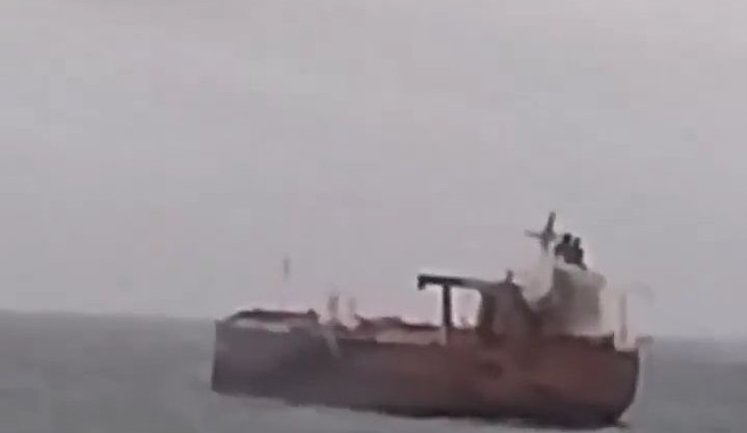
 After drone attack on ship near Bulgaria, 11 sailors went missing; five were rescued A merchant ship carrying 16 people sank in the Black Sea near the Bulgarian coast following a drone attack. Five crew members were rescued; 11 others are still missing. 2 930 4 Previously in trend: Russian attacks on civilian ships
Near Bulgaria, drones attacked two ships: one sank; seven Ukrainians were among those rescued In the Black Sea, approximately 33 kilometers off the Bulgarian coast, drones attacked the vessel Chelsea 3, which had seven Ukrainians on board. All 15 crew members were rescued, while another vessel sank after being struck by the drones. 3 285 28 Previously in trend: Russian attacks on civilian ships Airspace violation
 Russia attacked two merchant vessels with drones off Bulgaria’s coast, - Zelenskyy Ukraine’s Defense Forces did not conduct any operations in the area of the Black Sea near Bulgaria, where the civilian vessels Alfa Watan and Able were attacked today, October 6. 1 790 6 Previously in trend: Russian attacks on civilian ships Russia’s attack on civilian vessels
 Drones attacked two merchant ships off the coast of Bulgaria: some are missing Drones attacked two merchant ships off the coast of Bulgaria. 2 942 4 Previously in trend: Russian attacks on civilian ships
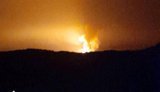 Fire has broken out at the ammunition depots of arms manufacturer EMKO in Bulgaria. PHOTO In Bulgaria, on the evening of 11 September, a fire broke out at the ammunition depots of the Bulgarian arms manufacturer EMKO. Several explosions were heard at the site after the fire started. 4 879 26
 Son of Hero of Ukraine was smothered with pillow while playing "TCR": police investigate bullying at sports camp in Bulgaria after Censor.NET publication Ten-year-old Tymofii Sevriuk, the son of Hero of Ukraine Pavlo Sevriuk, may have been bullied by his peers during a sports training camp in Bulgaria, which he attended as a pupil of Kyiv's "RING" sports school. Police opened an investigation following statements by the boy's relatives. 4 762 30 Previously in trend: School bullying
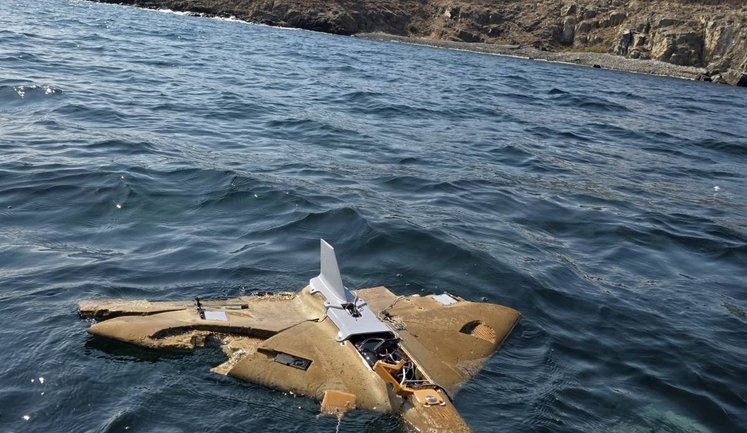
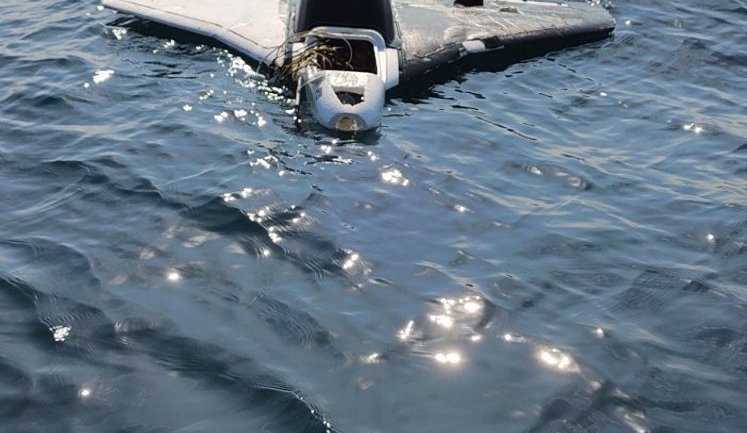
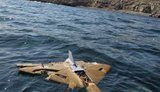 Bulgarian Navy destroyed unidentified drone in Black Sea. PHOTO The Bulgarian Navy has destroyed a drone of unknown origin that was detected in the Black Sea off the coast of St Ivan Island. The decision to destroy it was taken on security grounds. 2 094 13 Previously in trend: Drone on the beach in Bulgaria
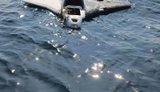 Three unidentified drones were detected in Bulgaria; two of them were neutralised. PHOTO The Bulgarian Navy has detected three drones off the coast of the country’s resort towns and in the waters of the Black Sea. 3 506 3 Previously in trend: Drone on the beach in Bulgaria Drone crash in Bulgaria
 Bulgaria names Ukraine one of its foreign aid priorities through 2030 Ukraine has been included among the countries to which Bulgaria plans to prioritise the provision of official development assistance. This policy is laid out in the Bulgarian government’s programme for 2026–2030. 581 0 Previously in trend: Aid to Ukraine from Bulgaria
 Ukrainian drone that came down near gas pipeline in Bulgaria was not combat drone – country’s Interior Ministry The Ukrainian drone that came down near a compressor station on the Trans-Balkan Gas Pipeline in Bulgaria on 8 August was not a combat drone. 1 856 7 Previously in trend: Drone crash in Bulgaria
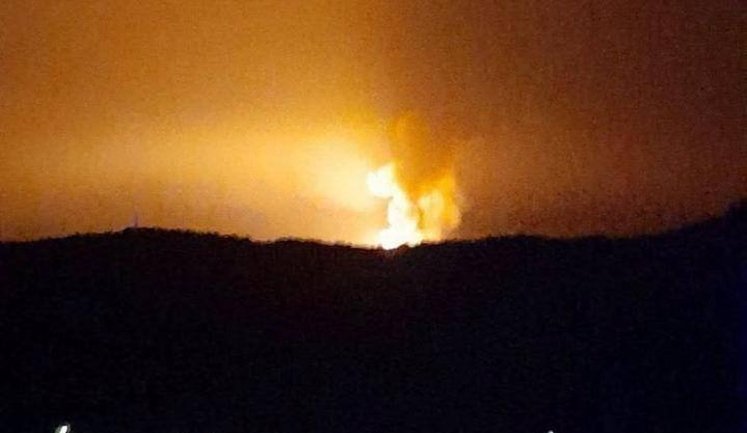
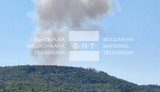 Series of explosions occurred at military factory in Bulgaria, - media (updated). PHOTO An explosion occurred at a military factory in the village of Belitsa, near Tryavna in Bulgaria. 8 149 62
 Ukrainian Defence Forces have deliberately not directed any assets towards Bulgaria, - Ministry of Foreign Affairs Heorhii Tykhyi, a spokesperson for the Ministry of Foreign Affairs, commented on the crash of a drone in Bulgaria. 5 859 16 Previously in trend: Drone crash in Bulgaria
Bulgaria ready to cooperate with Ukraine on drone production – Bulgarian Foreign Minister Velislava Petrova-Chamova Bulgaria is interested in expanding cooperation with Ukraine in drone production, particularly within European initiatives. Sofia will also continue supporting Ukraine on energy security, sanctions pressure on Russia and the country’s recovery. 1 458 9 Previously in trend: Drone industry
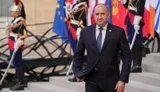 Bulgaria withdraws from "Coalition of the Willing," - Prime Minister Radev Bulgarian Prime Minister Rumen Radev stated that the country will no longer be part of the "Coalition of the Willing" that supports Ukraine. 7 016 65 Previously in trend: Coalition of the willing Cooperation with Bulgaria
Bulgaria did not support pro-Russian party’s attempt to terminate security agreement with Ukraine, - media reports The Parliament of Bulgaria has rejected a bill tabled by the pro-Russian ‘Revival’ party, which sought to repeal the 10-year security cooperation agreement between Bulgaria and Ukraine. 1 413 5 Previously in trend: pro russian claims in Bulgaria Aid to Ukraine from Bulgaria
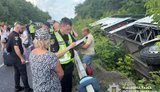 Bus carrying more than 50 passengers en route to Bulgaria overturns in Khmelnytskyi region – National Police. PHOTOS In Khmelnytskyi region, a tourist bus on the H-03 highway near the village of Shatava in Kamianets-Podilskyi district, traveling on the Kyiv– Burgas route, overturned. 7 873 17 Previously in trend: Car Accident
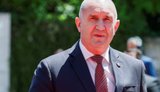 Bulgaria will veto new EU sanctions package against Russia, - Prime Minister Radev Bulgarian Prime Minister Rumen Radev stated that the country will veto the latest package of EU sanctions against Russia, as it could have a negative impact on the Bulgarian economy. 4 442 52 Previously in trend: EU sanctions against Russia
Ukraine and Bulgaria cooperate in defence sector on commercial basis, - Foreign Ministry in response to Stoyanov’s statement Ukraine does not receive free military aid from Bulgaria – defence cooperation between the two countries is conducted on a commercial basis. 769 2 Previously in trend: Cooperation with Bulgaria
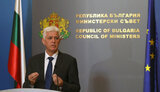 Bulgaria is halting arms supplies to Ukraine, - Defence Minister Stoyanov Bulgaria has no plans to supply further arms to Ukraine. This was stated by the country’s Defence Minister, Dimitar Stoyanov, who emphasised that, in his view, the war cannot be resolved on the battlefield and that the parties must move towards negotiations. 7 120 44 Previously in trend: Cooperation with Bulgaria
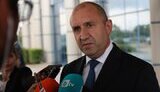 Bulgarian PM makes high-profile statement on war in Ukraine and Russia The European Union should take a leading role in negotiations with Russia on ending the war against Ukraine. 8 219 19
 Three Ukrainians remain in hospital in Bulgaria following road accident In Bulgaria, three people remain hospitalized following a bus accident involving Ukrainians. 1 155 1 Previously in trend: Fatal traffic accidents
 Two Ukrainians killed, 16 injured in road accident in Bulgaria, - media. PHOTO Near the Turkish border in Bulgaria, a coach crashed into a group of Ukrainians who were standing behind it. Two people were killed and 16 others were injured. 3 781 10 Previously in trend: Car Accident
Party of pro-Russian former President Radev has won Bulgarian elections In the parliamentary elections in Bulgaria on April 19, the party of the pro-Russian former president, "Progressive Bulgaria," emerged victorious. The party received 44.59% of the vote. 4 067 30 Previously in trend: Parliamentary elections in Bulgaria
Bulgaria appeals to EU over risk of Russian election interference - Politico Bulgaria has asked the European Union for help in countering possible Russian interference in the parliamentary elections scheduled for late April. 923 3 Previously in trend: Information influence of the Russian Federation in the EU Influence of Russia in EU
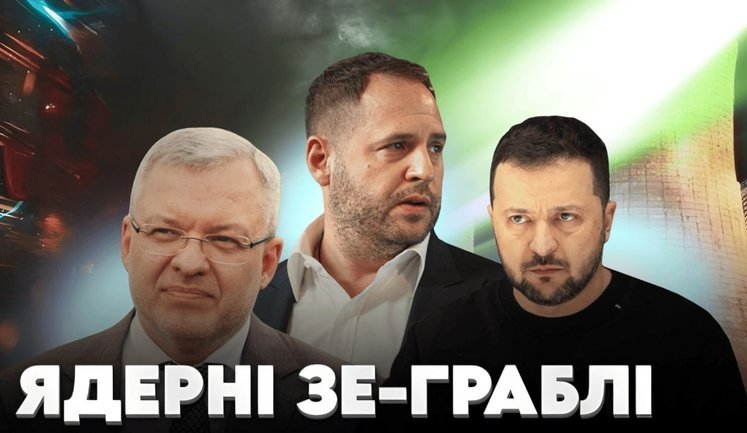
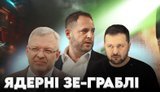 Corruption Ze-rakes: Zelenskyy wants to buy Bulgaria’s reactors || Uncensored. VIDEO Why has Volodymyr Zelenskyy returned once again to the idea of purchasing Bulgarian nuclear reactors, which have long been dogged by allegations of corruption? 4 518 51 Previously in trend: Uncensored Mindichgate
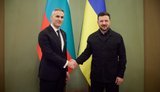 Bulgaria joined PURL programme to purchase weapons for Ukraine President Volodymyr Zelenskyy said that Bulgaria will join the PURL programme. 1 165 8 Previously in trend: PURL program Aid to Ukraine from Bulgaria
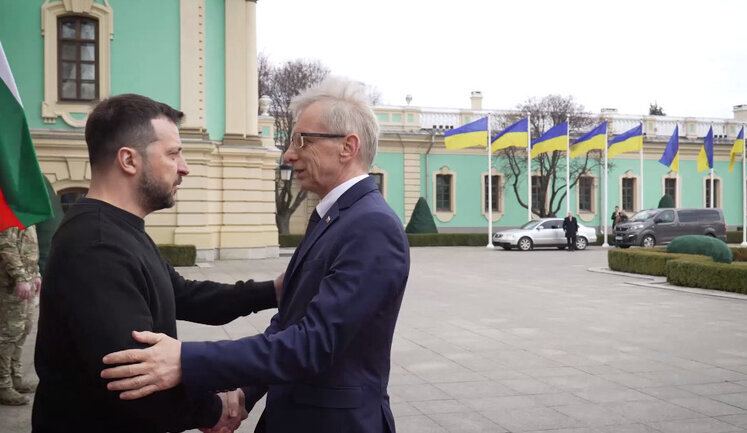
Ukraine and Bulgaria have signed 10-year security agreement, — Zelenskyy Today, March 30, President Volodymyr Zelenskyy and Bulgaria's interim Prime Minister Andrey Gyurov, who is currently visiting Kyiv, signed a security cooperation agreement. 1 745 15 Previously in trend: Aid to Ukraine from Bulgaria Cooperation with Bulgaria
 When someone did not vote in favor of purchasing Russian reactor units for Khmelnytskyi NPP, members of parliament were sent "greetings" from president, - media A member of parliament from the "Servant of the People" party spoke about pressure from the Presidential Office during a parliamentary vote on the purchase of reactor units for the Khmelnytskyi NPP from Bulgaria. 13 123 29 Previously in trend: Reactors for KhNPP
 Russian ship Kairos, subject to sanctions, ran aground off coast of Bulgaria. VIDEO The Russian ship Kairos, which was under sanctions, ran aground off the coast of Bulgaria after being attacked by the SSU naval drones at the end of November. 5 959 24 Previously in trend: Accident of Russian tankers Explosions on tankers in Russia
 Zelenskyy and Bulgaria’s PM Zhelyazkov discuss energy and defense cooperation, agree on concrete decisions President Volodymyr Zelenskyy held talks with Bulgarian Prime Minister Rosen Zhelyazkov. 442 0 Previously in trend: Defense Support of Ukrainian energy
 Cargo ship sinks in Black Sea: Ukrainian crew rescued The cargo ship EILEEN, operated by a Ukrainian company from Odesa, sank in the Black Sea. 5 488 6
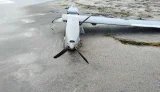 Drone was found on a beach in Bulgaria. PHOTO On 12 September, a drone was found on a beach in the Bulgarian city of Burgas, which had been thrown up by the sea. There was no explosive in it. 5 155 25 Previously in trend: Drone on the beach in Bulgaria
 Von der Leyen’s plane did encounter GPS signal interference in Bulgaria, Russian interference suspected, - European Commission The plane carrying European Commission President Ursula von der Leyen did indeed encounter GPS signal interference while landing at Plovdiv Airport in Bulgaria. 1 558 7 Previously in trend: Russia blocks GPS signals
 Von der Leyen’s plane landed using paper maps due to Russian interference with GPS, - FT The electronic navigation equipment of European Commission President Ursula von der Leyen's plane was "jammed" during its approach to the airport in Bulgaria, causing the GPS to stop working. Possible interference by the Russian Federation is suspected. 5 258 45 Previously in trend: Russia blocks GPS signals
 Since start of full-scale war, Bulgaria has provided Ukraine with third of its weapons from EU, - von der Leyen One third of the total volume of weapons supplied by the EU to Ukraine since the start of the full-scale war comes from Bulgaria. 2 747 10 Previously in trend: Aid to Ukraine from Bulgaria
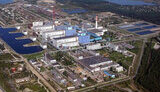 Ukraine did not receive Bulgaria’s refusal to sell reactors for Khmelnytskyi NPP - Halushchenko The issue of purchasing nuclear reactors from Bulgaria for the Khmelnytskyi NPP remains open - Ukraine has not yet received an official refusal to sell. 15 437 22 Previously in trend: Reactors for Khmelnytskyi NPP
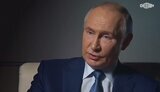 Bulgarian Foreign Ministry on Putin’s accusations of war in Ukraine: Russia shifts responsibility and manipulates facts The Bulgarian Ministry of Foreign Affairs has sharply criticized Russian President Vladimir Putin's statements about Bulgaria's alleged involvement in the escalation of the situation that led to a full-scale war in Ukraine. 2 107 8 Previously in trend: Putin’s statements about Ukraine
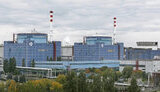 Bulgarian government says it will not sell reactors for Khmelnytskyi NPP to Ukraine The Bulgarian government says it will not sell Ukraine the reactor that was supposed to be used for the development of the Khmelnytskyi NPP. 15 218 89 Previously in trend: Reactors for Khmelnytskyi NPP
 Romania and Bulgaria concerned about implications of US-Russia talks for Black Sea - FT Romania and Bulgaria have expressed concern about the US-Russia talks in Saudi Arabia, fearing changes in the Black Sea in favor of Moscow. 4 830 24 Previously in trend: Negotiations in Saudi Arabia
Bulgaria extends support program for Ukrainian refugees until March 2025 The interim government of Bulgaria has decided to extend the state support program for the accommodation of Ukrainians with temporary protection until March 4, 2025. 670 0 Previously in trend: War
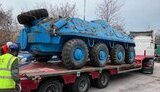 Equipment and ammunition: Bulgaria allocates new military aid package to Ukraine Bulgaria is allocating another military aid package to Ukraine, the 7th in a row. 4 080 9 Previously in trend: Aid to Ukraine
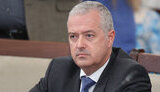 NATO will be safe when Ukraine becomes its full member - head of Ministry of Foreign Affairs of Bulgaria Kondov The Minister of Foreign Affairs of Bulgaria, Ivan Kondov, believes that full membership of Ukraine in NATO will allow to protect all countries of the bloc. 1 855 29
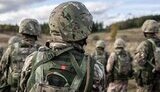 Bulgaria to join NATO mission to train Ukrainian military The Council of Ministers (government) of Bulgaria has authorized the participation of members of its Armed Forces in the NATO Security Assistance and Training for Ukraine (NSATU). 854 5
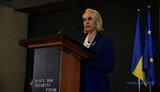 "Russia is biggest threat not only to Ukraine, but also to Moldova, Romania, Turkey and Bulgaria" - Brink If there were no Ukrainians' struggle against Russian aggression and its attempts to take control of the Black Sea, Moldova, Romania, Turkey and Bulgaria would face the Russian threat. 2 202 11 Previously in trend: War
Page 1 of 3
more news