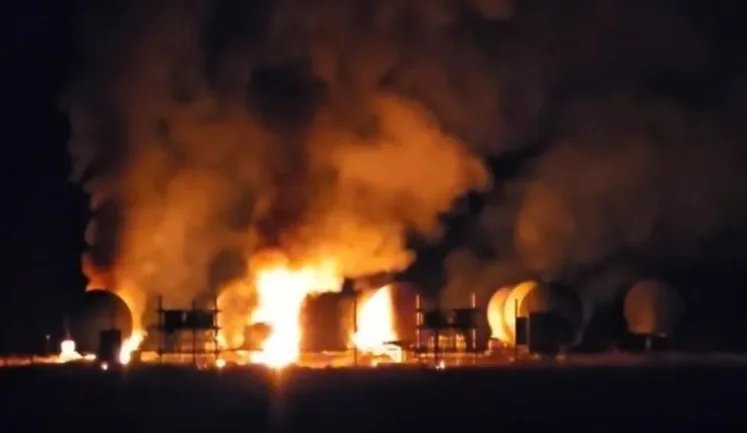
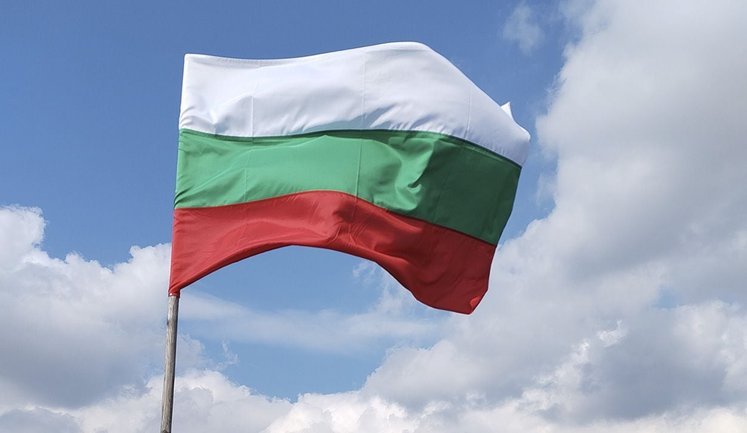
Bulgaria has been actively engaging in various geopolitical developments, focusing on its relationship with Ukraine. The country's Interior Ministry clarified that the Ukrainian drone found near the Trans-Balkan Gas Pipeline was not a combat drone, alleviating immediate security concerns. Additionally, Bulgaria's military factory in Belitsa experienced a series of explosions, drawing media attention. Despite recent political shifts, Bulgaria maintains its support for Ukraine, particularly in drone production and energy security. However, Prime Minister Rumen Radev announced Bulgaria's withdrawal from the "Coalition of the Willing," indicating a recalibration of its political alliances. Meanwhile, the Bulgarian Parliament rejected attempts by pro-Russian elements to dismantle a decade-long security agreement with Ukraine, showcasing legislative resolve. In another development, Bulgaria's Foreign Minister Velislava Petrova-Chamova emphasized ongoing cooperation with Ukraine, which includes potential initiatives for joint arms production. Amidst these happenings, Bulgaria faced domestic challenges as a bus accident on the Kyiv–Burgas route resulted in multiple casualties.
What was discovered about the drone found near Bulgaria's gas pipeline?
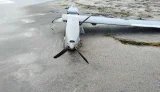
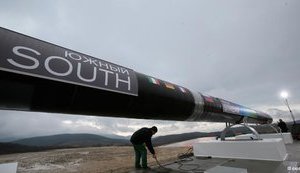
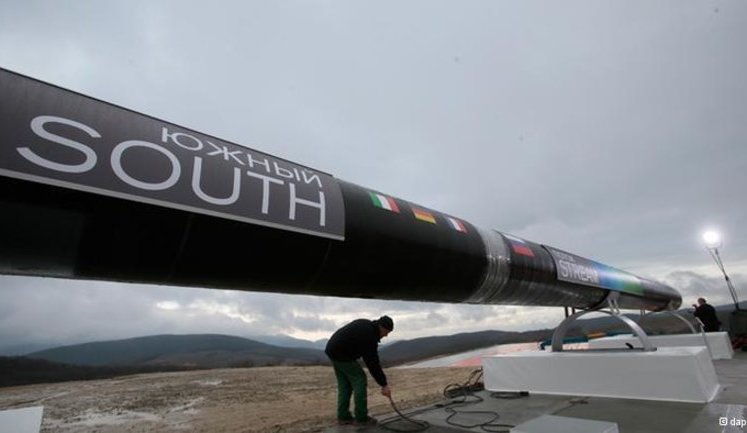
The Ukrainian drone that was found near the Trans-Balkan Gas Pipeline in Bulgaria on August 8 was confirmed by the country's Interior Ministry as non-combat in nature. This clarification helped to ease immediate security tensions and established that the incident was not a military threat, reflecting the complexity of assessing drone-related incidents in politically sensitive regions.
What are the implications of the explosions at the Bulgarian military factory?
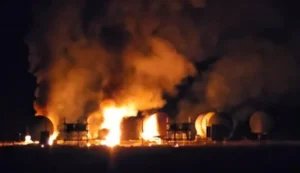
The explosions at a military factory in the village of Belitsa have raised significant concerns about industrial safety and security protocols in Bulgaria. These incidents have prompted investigations into the causes and raised questions about potential impacts on the defense supply chain, as well as any possible repercussions for regional security dynamics given Bulgaria's strategic position in Europe.
How is Bulgaria involved in Ukraine's drone production efforts?
Bulgaria has signaled its interest in collaborating with Ukraine on drone production, with the Bulgarian Foreign Minister highlighting the opportunity to join European initiatives in this sector. This move is part of a broader support strategy that includes energy security collaboration and sanctions against Russia, reinforcing Bulgaria's commitment to strengthening ties with Ukraine amidst ongoing geopolitical tensions.
Why did Bulgaria withdraw from the "Coalition of the Willing"?
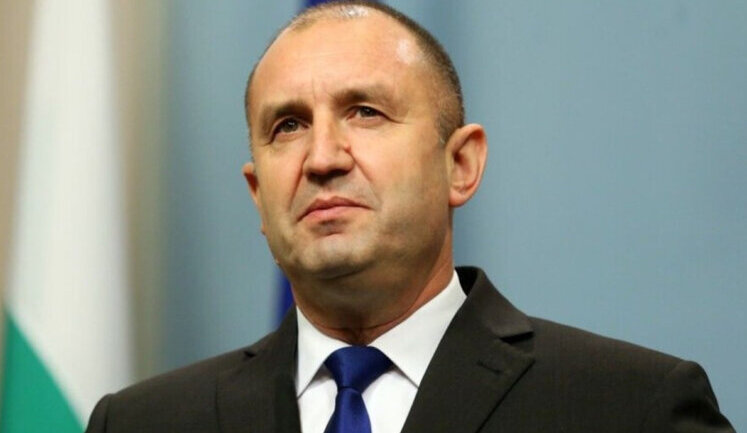
Bulgaria's decision to withdraw from the "Coalition of the Willing," as announced by Prime Minister Rumen Radev, reflects a strategic realignment of the country's foreign policy. This decision could be influenced by domestic political considerations and Bulgaria's economic interests, particularly in light of the complex relationship between Bulgaria, the EU, and Russia, impacting its international stance.
How did Bulgaria respond to attempts to dismantle the security agreement with Ukraine?
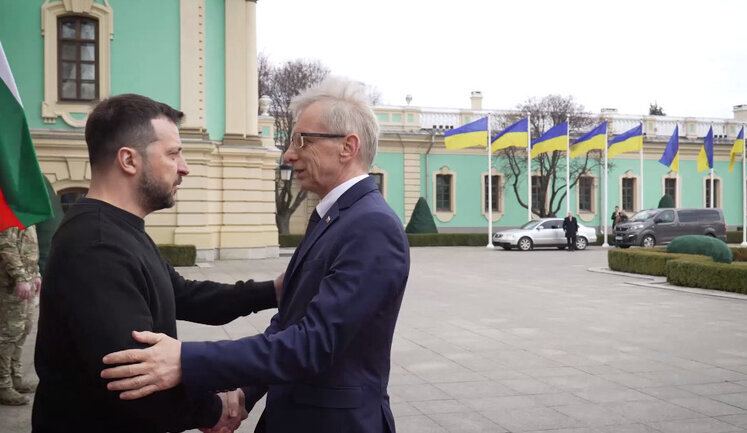
Bulgaria's Parliament successfully thwarted efforts by the pro-Russian 'Revival' party to repeal a security cooperation agreement with Ukraine. This legislative action demonstrates Bulgaria's commitment to maintaining its defense collaboration with Ukraine, underscoring the importance of security agreements in fortifying bilateral relations and regional stability amidst external pressures and internal political dynamics.