5650 visitors online
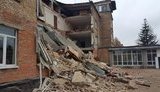
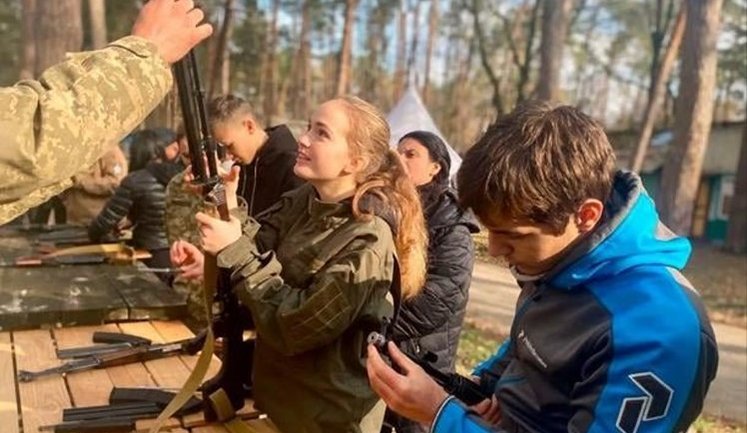
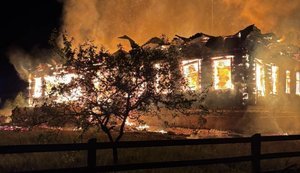
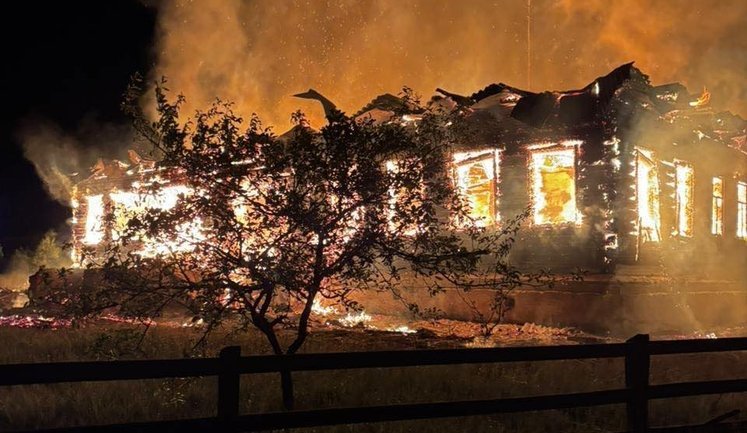
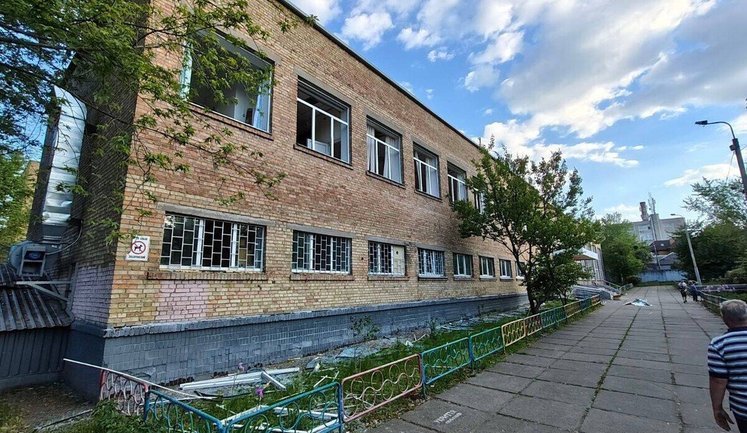
The Ukrainian education system faces unprecedented challenges due to ongoing military threats. The Kharkiv region is pioneering the construction of underground schools, aiming to provide safe education environments. Meanwhile, attacks on educational facilities continue, as exemplified by drone strikes at a sports school in Shostka and a traditional institution in Kherson. These events underscore the urgent need for fortified school structures across regions. Russian forces have also targeted multiple schools, causing significant damage, as documented throughout the conflict. Ukraine's resilient approach includes large-scale investments in shelters and initiatives for safe education, while international bodies like the EU and UNICEF contribute towards improving school facilities, including meals and modernized canteens for primary students. Yet, the reality of war's impact lingers, affecting students’ mental well-being and long-term educational outcomes.

What measures are taken to ensure school safety in Ukraine?

To ensure school safety amidst military threats, Ukraine is investing in the construction of underground schools, particularly in conflict-prone regions like Kharkiv. These structures are designed to provide secure learning environments and protect students during military escalations. Additionally, emergency protocols and security enhancements are being implemented across schools to safeguard children and staff from external threats.

How has the conflict affected school operations in Ukraine?

The ongoing conflict has severely impacted school operations in Ukraine, leading to the destruction or damage of educational facilities. Many schools have shifted to online learning due to safety concerns and structural damage. Despite challenges, efforts are being made to repair facilities and resume traditional education. Furthermore, the Ukrainian government and international bodies are working to support schools through funding and infrastructure development.

What role do international organizations play in supporting Ukrainian schools?

International organizations such as the European Union and UNICEF have played a crucial role in supporting Ukrainian schools by providing financial assistance for infrastructure development and improving student services. Recent contributions include significant funding for school meals and modernizing canteens, ensuring that students receive proper nutrition and adequate learning environments despite the ongoing challenges posed by the conflict.
What challenges do students face attending schools in conflict zones?

Students attending schools in conflict zones face numerous challenges, including the constant threat of attacks, psychological stress, and disruptions to their education. Many students are forced to study in makeshift shelters or transition to online learning, affecting their social development and academic progress. The uncertainty and instability have also impacted their mental health, with long-term implications for their well-being and future prospects.

How are Ukrainian schools adapting to the threat of military attacks?

In response to the threat of military attacks, Ukrainian schools are adapting by constructing fortified facilities like underground schools. These measures aim to provide secure environments for students and staff. Additionally, schools are enhancing emergency preparedness through drills and implementing security protocols. The government and local communities are working collaboratively to maintain educational continuity while prioritizing student safety.

What initiatives are in place to support displaced students in Ukraine?

Ukraine has implemented several initiatives to support displaced students, including the provision of temporary learning spaces and access to remote education platforms. Efforts are made to integrate displaced students into local schools, offering language support and psychological counseling to facilitate their adaptation. Collaborative efforts with international partners ensure that educational continuity is maintained for all affected children.

show details

News school

Zelenskyi hopes students will go to school in September Zelenskyi hopes students will go to school in September Ukrainian President Volodymyr Zelenskyi has said he expects that Ukraine will avoid a second wave of COVID-19 infections and that students will be able to go back to school in September, rather than continue distance learning. 5 242 65 Previously in trend: Anti-epidemic measures and restrictions

Quarantine in educational institutions extended – Education Ministry Quarantine in educational institutions extended – Education Ministry In view of the government’s decision to extend the nationwide quarantine until April 24, educational institutions also have to extend quarantine measures. 4 668 5 Previously in trend: Anti-epidemic measures and restrictions

Human Rights Watch: 147 childern died in Donbas Human Rights Watch: 147 childern died in Donbas Human Rights Watch notes the decrease in civilian casualties in eastern Ukraine, though "civilians’ lives and well-being at risk." 877 9 Previously in trend: Russian aggression against Ukraine

Ukraine Ukraine's First Lady to lead school catering reform Olena Zelenska, Ukraine's First Lady, intends to focus her efforts primarily on reforming the school catering system, noting the poor quality of school meals and "terrible service". 4 544 138 Ukrainian Politics

15 schoolchildren hospitalized with suspicion on hepatitis A in Chernihiv 15 schoolchildren hospitalized with suspicion on hepatitis A in Chernihiv 15 students with suspicion on hepatitis A are hospitalized. 2 130 10 Incidents

Olena Zelenska visits Ukrainian school in Riga. PHOTOS Olena Zelenska visits Ukrainian school in Riga. PHOTOS First Lady Olena Zelenska and Deputy Prime Minister for European and Euro-Atlantic Integration Dmytro Kuleba have visited a Ukrainian secondary school in Riga. 12 067 61 Ukrainian Politics

President President's party creates office for deputies education Servant of the people party decided to create a "training and development office for the systematic work of deputies", on the basis of which training will be held every three months. 4 564 235 Ukrainian Politics

No school with Ukrainian language left in occupied Crimea, - human rights activists No school with Ukrainian language left in occupied Crimea, - human rights activists The number of classes with the Ukrainian language of instruction is also significantly small than those declared by Russian authorities. 2 750 35 Previously in trend: Occupied territories - Crimea and Donbas

Page 4 of 4