ENG




13690 visitors online
Ukraine's educational system is under duress due to ongoing assaults. Over 300 schools in Kyiv have been damaged by Russian strikes. Yet, innovation in education persists, with advancements like underground schools in the Sumy and Kharkiv regions. These facilities are crafted to safeguard children and ensure learning continuity amidst conflict. Reforms such as the transition to a 12-year system show adaptability. The government and communities strive to protect educational pursuits, though challenges remain with damaged infrastructure and security risks.
How has the war in Ukraine impacted school infrastructure?
The war has led to significant damage to school infrastructure, with more than 300 educational institutions affected in Kyiv alone. Efforts to create safer educational environments include constructing underground schools, despite the challenges posed by ongoing attacks.
What safety measures are being implemented in Ukrainian schools?
Safety measures include the installation of metal detectors, mobile shelters, and the construction of underground schools. These initiatives aim to protect students from potential threats, maintaining a semblance of normalcy in education despite the conflict.
What is the New Ukrainian School reform?
The New Ukrainian School reform is a roadmap for education through 2029. It includes transitioning to a 12-year system with specialized upper secondary education for grades 10–12. This reform aims to enhance educational quality and accessibility.
How are schools adapting to security threats in Ukraine?
Schools are adopting flexible formats like blended learning and distance education, ready to shift according to the security situation. New infrastructure such as underground schools is also being developed to ensure continuous learning in safer spaces.
What steps are being taken to address educational disruptions in occupied territories?
The Ministry of Education and Science has established procedures to recognize educational outcomes from occupied regions. These measures aim to integrate affected students into the national education system, acknowledging their unique challenges.
How is the embezzlement impacting school projects in Ukraine?
Embezzlement cases have surfaced, notably affecting funds allocated for building and renovating school shelters. This corruption undermines efforts to improve educational infrastructure, prompting investigations and trials to address the misuse of resources.
News school
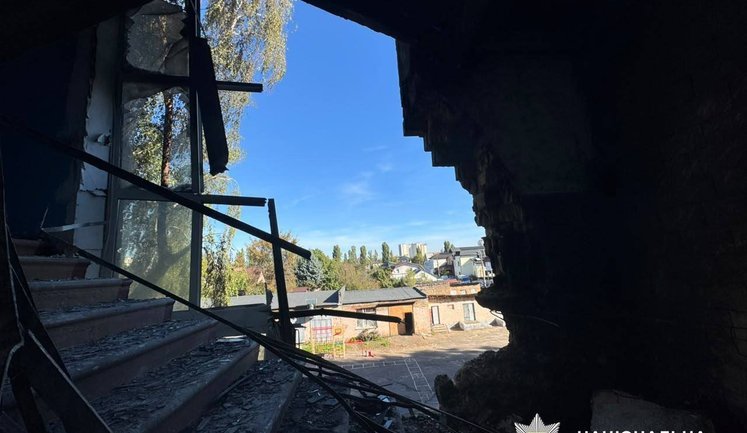
 50 kg of explosives on school stairs: unexploded "Geran-4" warhead removed in Kyiv. PHOTOS Bomb disposal technicians in Kyiv’s Solomianskyi district removed the unexploded warhead of a Geran-4 attack UAV that struck a school building in the morning. 2 422 0 Previously in trend: Shelling of Kyiv Destruction of missiles and drones
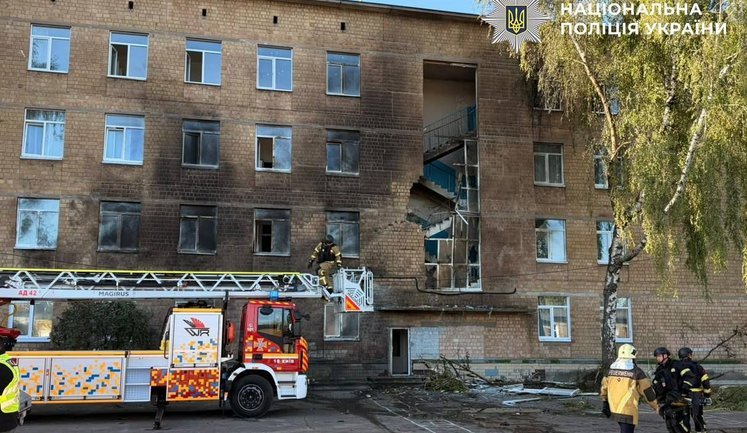
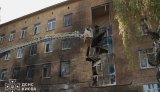 Zelenskyy on ’shahed’ strike on school in Kyiv: Russia must be held clearly accountable. VIDEO In Kyiv, a Russian drone struck a mainstream school. At the time of the attack, the children and teachers were taking shelter, so, according to preliminary reports, there were no injuries. Russia must be held fully accountable for such strikes. 2 112 38 Previously in trend: Shelling of Kyiv
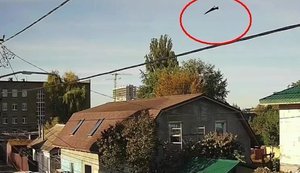
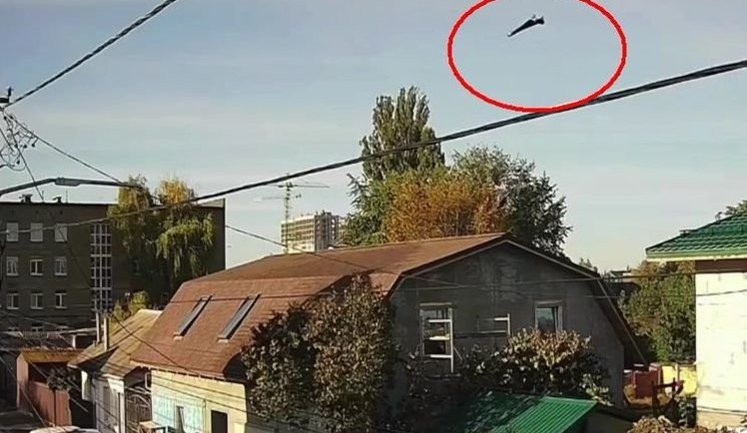
 Moment Russian drone struck school in Kyiv during morning attack. VIDEO A video has been published online showing the moment a Russian attack drone struck a school building in Kyiv during the morning attack on the capital on 1 October. 11 614 71 Previously in trend: War crimes of Russia UAV attack on Kyiv
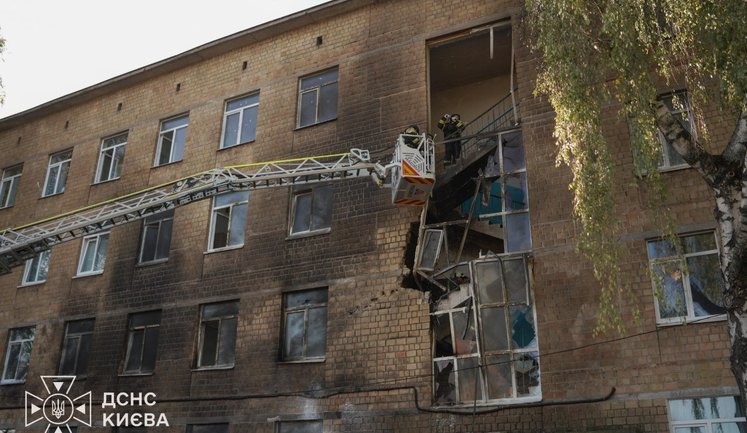
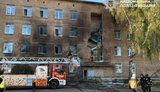 Aftermath of strike on school in Kyiv’s Solomianskyi district: pupils and staff were taking shelter. PHOTOS Russian invaders struck one of the schools in the Solomianskyi district of Kyiv with a drone. 4 938 26 Previously in trend: Shelling of Kyiv
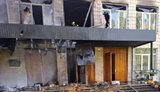 More than 300 educational institutions in capital have been hit by Russian attacks, - media reports Since the start of the full-scale war, the capital’s educational infrastructure has been subjected to systematic attacks by the Russian occupiers. As a result of rocket fire, drone attacks, and blast waves, more than 300 educational establishments in Kyiv have been damaged – including schools,... 557 4 Previously in trend: New safety rules at schools
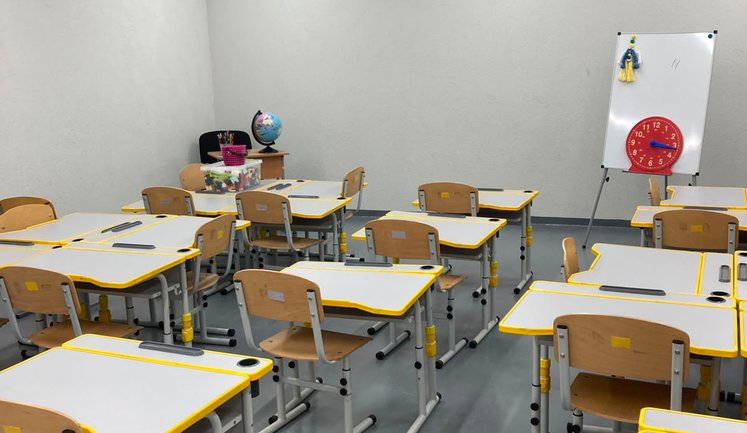
 Five underground schools have been set up in Sumy region: nearly 2,000 pupils will be able to attend classes in person, - Ministry of Education and Science. PHOTO In the Sumy region, the construction and fitting out of five underground schools have been completed, enabling nearly 2,000 children to return to face-to-face learning. Four safe learning spaces have been created in the Sumy community and one more in the Shostka community. 1 306 8 Previously in trend: Ukraine Facility Studying during the war underground schools in Ukraine
 New Ukrainian School moves to 12-year schooling: what will change by 2029 The Cabinet of Ministers has updated the roadmap for the New Ukrainian School (NUS) reform through 2029. One of the key stages is the transition to specialised upper secondary education for grades 10–12, which will begin in 2027. 3 269 24 Previously in trend: Studying during the war
 Archway metal detectors have been installed in 15 lyceums in Carpathian region: police officers will be on duty at entrances. PHOTO Fixed arch-type metal detectors have been installed in 15 secondary schools in the Ivano-Frankivsk region. They are intended to help detect metal objects at the entrances to educational establishments that could pose a danger to pupils and teaching staff. 1 584 14
 Due to scandal over free meals for schoolchildren, unscheduled monitoring visits to be conducted at educational institutions in Bukovyna. PHOTOS A post appeared on social media complaining about the meals provided to pupils in grades 1–11 at one of Chernivtsi’s educational institutions. The Regional Military Administration ordered the launch of unscheduled monitoring visits to educational institutions across Bukovyna. 5 263 34
 From lessons in shelters to distance learning: Kyiv has explored various formats of schooling In Kyiv, the school year is set to begin in a blended learning format. However, should the security situation change, educational institutions will promptly adjust the format of teaching. 1 012 4 Previously in trend: Studying during the war
 No school assemblies on September 1: education ombudswoman urged schools not to gather children due to threat of Russian strikes School assemblies and other large-scale celebrations on September 1 may pose an additional danger to children due to the threat of Russian strikes. Education Ombudswoman Nadiia Leshchyk has called on school administrators to cancel traditional large-scale gatherings at the start of the school year. 1 988 6 Previously in trend: 1 September
 Almost 40 enemy attacks in one day and eight injured: Russia shells two districts of Dnipropetrovsk region As of 6:30 p.m., Russian occupation forces had attacked two districts of the Dnipropetrovsk region almost 40 times. The enemy used drones, artillery, and aerial bombs, injuring eight people. 625 0 Previously in trend: Shelling of the Dnipropetrovsk region UAV attack on Dnipropetrovsk region
 50 mobile shelters for schoolchildren to be installed in six cities of Chernihiv region – RMA Fifty mobile shelters are planned to be installed shortly along routes taken by pupils to schools in six cities of the Chernihiv region. 608 4 Previously in trend: Shelters in Ukraine
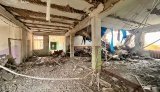 Occupiers are mass-closing schools and kindergartens in the Donetsk region to save on teachers, - CCD In the temporarily occupied part of the Donetsk region, Russian authorities are closing schools and kindergartens en masse, citing "educational reform" as the reason. The Center for Countering Disinformation states that the real goal is to cut education spending and lay off teachers. 891 8 Previously in trend: Education in the Russian Federation Education in Ukraine
 New academic year in Ukraine will last until 30 June – Svyrydenko The new 2026/2027 academic year in Ukraine’s general secondary education institutions will begin on 1 September and last until 30 June 2027. 2 258 5 Previously in trend: Studying during the war
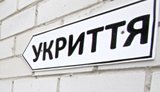 81 million hryvnias were embezzled from procurement of shelters for schools and military, - Prosecutor General. PHOTO Law enforcement agencies have uncovered several schemes involving the embezzlement of public funds during the procurement and construction of shelters for educational establishments and military facilities. The total amount of losses identified stands at 81 million hryvnias. 797 13 Previously in trend: Stealing from shelters
 Scheme to embezzle funds during construction of school shelter exposed in Khmelnytskyi region. PHOTOS Prosecutors of the Khmelnytskyi Regional Prosecutor's Office have notified a settlement head, the director of a construction company, and a technical supervision engineer of suspicion over the misappropriation of budget funds on an especially large scale and official forgery during the... 727 2
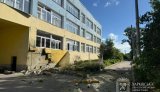 Number of attacks on schools worldwide has risen: 900 Russian attacks on educational institutions have been recorded in Ukraine, – Guardian The number of armed attacks on educational establishments is rising rapidly worldwide. In Ukraine, in particular, around 900 educational establishments were targeted by Russian attacks during 2024 and 2025. 329 2
 Two damaged gymnasiums restored in Dnipro after Russian strikes Restoration work has been completed at Gymnasiums No. 88 and No. 63 in Dnipro, which were damaged as a result of Russian attacks last year. 641 1 Previously in trend: Attack on Dnipro
 Russians strike school in Kharkiv region: building and bus damaged. PHOTOS The enemy continues to terrorise the civilian population of the Kharkiv region. Once again, children have been targeted – a school has been attacked. 790 1 Previously in trend: Shelling of Kharkiv region
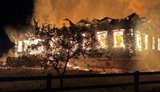 Ruscists destroyed school on border of Chernihiv region. PHOTO During the night, the occupying forces attacked the village of Masheve with a drone. 1 754 6 Previously in trend: Shelling of Chernihiv region
 11 educational institutions damaged in Kyiv due to Russian attack. PHOTOS In Kyiv’s Shevchenkivskyi district, 11 educational institutions and facilities under the Education Department were damaged as a result of the enemy attack. 2 713 7 Previously in trend: Shelling of Kyiv Massive combined attack
 Ukraine recognises education in occupied territories: Ministry of Education and Science has approved new procedures for schoolchildren from temporarily occupied territories The Ministry of Education and Science of Ukraine, by Order No. 338 of February 23, 2026, approved the "Procedure for Recognizing the Learning Outcomes of Individuals Who Resided in the Temporarily Occupied Territory of Ukraine at the Levels of Complete General Secondary Education." 1 462 7 Previously in trend: Studying during the war
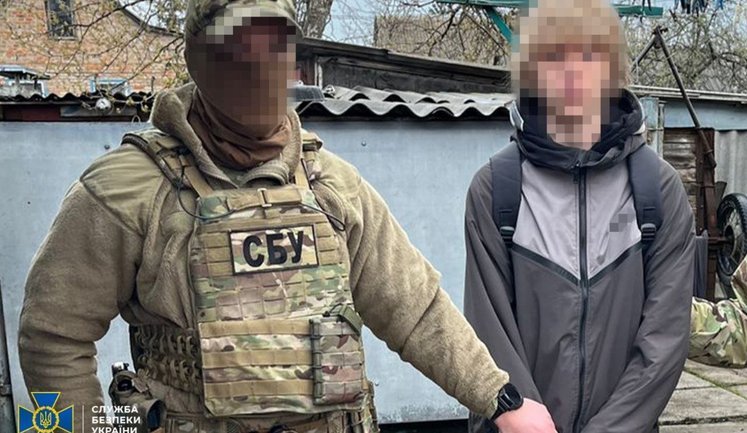
 SSU and National Police foiled attempts by Russian Federation to organise terrorist attacks in schools in Kirovohrad and Odesa regions. VIDEO&PHOTOS. VIDEO&PHOTOS The Security Service of Ukraine, in collaboration with the National Police, has foiled a series of terrorist attacks at educational institutions in the Kirovohrad and Odesa regions. According to the investigation, two school pupils were acting on instructions from Russian intelligence services. 2 804 7
 Embezzled more than UAH 14.2 million from energy efficiency programme for schools: members of organised group to stand trial in Dnipropetrovsk region – National Police. PHOTOS In the Dnipropetrovsk region, a case has been sent to court against members of an organised group who embezzled more than UAH 14.2 million during the implementation of an energy efficiency project in budget-funded institutions in the city of Dnipro, including schools. 1 987 5 Previously in trend: Embezzlement of funds
 Trump denies US attack on Iranian school: We believe Iran did it US President Donald Trump said that Iran was responsible for the strike on an Iranian girls' school because "they are very inaccurate with their ammunition." 4 559 84 Previously in trend: US strikes on Iran
 Ukraine launches school truancy alert system Ukraine is introducing a rapid alert system to tackle truancy in schools and kindergartens, allowing law enforcement officers and educators to respond immediately when children skip classes. 5 483 62
 In TOT of Kherson region, schoolchildren were forced to write postcards to Russian military personnel. PHOTO In the temporarily occupied territories (TOT) of the Kherson region, schoolchildren in the "Kakhovka district" were forced to make greeting cards for Russian military personnel. 2 152 10 Previously in trend: Occupied territories - Crimea and Donbas
 Schoolchildren in Latvia will be taught how to operate drones In Latvia, starting in the second semester of the current academic year, there are plans to gradually introduce practical classes on the operation of unmanned aerial vehicles as part of national defense lessons. 909 17 Previously in trend: Security of Europe Threat of Russian agression to EU
 Winter holidays in Kyiv schools extended until 1 February In Kyiv, winter holidays in general secondary education institutions have been extended until 1 February 2026. 2 323 5 Previously in trend: Attacks on the energy sector Education in Ukraine
 Winter holidays in Kyiv may be extended until February The Ministry of Education and Science of Ukraine, together with the Kyiv City State Administration, must decide whether to extend or introduce winter holidays in the capital until 1 February 2026. 2 223 3 Previously in trend: Power outages Attacks on the energy sector
 Abbot of UOC-MP monastery Vorzelskyi, who was found to be running underground school, fled Ukraine after media investigation The abbot of the "Holy Protection Holosiivska Pustyn" Monastery, Archbishop Isaakii Vorzelskyi (Fedir Pylypovych Andronik), likely left Ukraine the day after media reports about an underground school operating on the grounds of the Ukrainian Orthodox Church of the Moscow Patriarchate monastery... 10 132 70 Previously in trend: Underground UOC-MP school in Kyiv
 Knife attack at school in Kyiv: teenager charged, victims in serious condition. PHOTO A 14-year-old resident of Kyiv region has been notified of suspicion of attempting to murder his 39-year-old teacher and 14-year-old classmate. 7 139 34 Previously in trend: Attack on a school
 Attack by pupil with knife at school in Kyiv: Correspondence with suspected hostile special services is known. VIDEO&PHOTOS. VIDEO&PHOTOS Law enforcement officials have classified the actions of a minor who attacked a teacher and a pupil at a school in the capital as attempted murder. 11 719 33 Previously in trend: Attack on a school
 Pupil with knife attacked teacher and classmate at school in Kyiv, - police. PHOTO A pupil attacked a teacher and a classmate with a knife in one of the capital's schools. 11 902 75 Previously in trend: Attack on a school
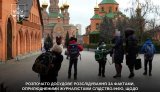 Investigation has been launched into facts published by media regarding underground school on territory of monastery in Kyiv, - Office of Prosecutor General. PHOTO Under the procedural guidance of juvenile prosecutors from the Kyiv City Prosecutor's Office, investigators from the Main Directorate of the Security Service of Ukraine in Kyiv and Kyiv Region have launched a pre-trial investigation under Part 1 of Article 436-1 of the Criminal Code of Ukraine... 5 628 34 Previously in trend: Underground UOC-MP school in Kyiv
 Underground school at UOC MP site in Kyiv teaches children "Russian world" principles - media. PHOTOS (updated) Since February 2025, an illegal school has been operating at the UOC MP monastery "Holosiivska Pustyn" in Kyiv, where children are taught using Soviet textbooks, shown Russian films and taught Russian. 15 201 150
 More than 20 underground schools are planned to be completed by end of the year in Kharkiv region Large-scale construction of underground schools is underway in the Kharkiv region to ensure safe education in conditions of military threat. 794 4 Previously in trend: underground schools in Ukraine
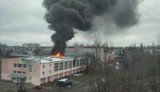 Russians struck sports school in Shostka, where children were training, with drones. PHOTOS Today, 12 December, Russian occupation forces attacked a sports school in Shostka, Sumy region, where children were training. 4 797 12 Previously in trend: Russian strike on Shostka
 Shooting on Lviv school grounds: conflict between parents leaves man wounded – police. VIDEO Police in Lviv region are working at the scene of a shooting on school grounds. 9 853 64 Previously in trend: Shooting in Lviv region
 "If you are such heroes, go fight in Ukraine": Fico provoked school protest in Poprad. VIDEO Slovak Prime Minister Robert Fico provoked a protest by students during a meeting with high school students in Poprad, saying that those who support the war "can go fight in Ukraine." 17 979 34 Previously in trend: Protests against Fico
 Ukrainian girl forced to sing "Kalinka" in Finnish school: mother outraged. VIDEO The mother of an 11-year-old Ukrainian girl, Iryna Horkun-Silen, said that her daughter was forced to sing in Russian at a Finnish school during a music lesson. 11 837 86 Previously in trend: Russification of Ukrainians Ukrainians in Finland
 Ukrainian children under fire: many teenagers do not want to think about their future after war, - media Russian aggression has turned Ukraine's skies into a source of constant fear for children. Most schoolchildren are forced to study online, taking refuge in shelters during air raid alerts, writes The Atlantic. 2 539 21 Previously in trend: Children are victims of war
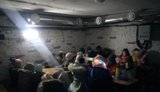 Number of schools and kindergartens in Kyiv are currently operating as Points of Invincibility, - KCSA Educational institutions on the left bank of Kyiv are operating under emergency conditions due to Russian attacks on the capital's energy infrastructure. 1 877 6 Previously in trend: Attacks on the energy sector Shelling of Kyiv
 Almost 7 million hryvnias embezzled during renovation of school shelters: officials in Dnipropetrovsk region to stand trial. PHOTOS In the Dnipropetrovsk region, officials of the city council and a contractor were brought to trial. They embezzled almost UAH 7 million during the repair of school shelters. 970 1 Previously in trend: seizure of funds
 Lithuania teaches children to fly drones near border with Russia. PHOTOS The Lithuanian Ministry of Defence has opened the first of nine schools on the border with Russia, where children as young as 10 and adults will be taught to fly, assemble and program drones. 1 524 79 Previously in trend: Children are taught to operate drones
 Director of gymnasium in Ivano-Frankivsk trolls colleague from Kyiv who banned students from wearing shorts: "Uniform is shorts. You might as well put fur coat on and muskrat hat". VIDEO Students and the principal of the Anton Krushelnytskyi Gymnasium in Horodenka, Ivano-Frankivsk region, recorded a humorous video about the requirements for school uniforms for students and teachers. 13 032 192 Previously in trend: 1 September
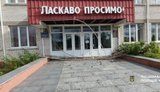 Russia attacked school and shop in Chernihiv region: no injuries. PHOTOS On 2 September, the Russian army attacked a non-operational school in the border town of Semenivka in Chernihiv region. 1 007 1 Previously in trend: Shelling of Chernihiv region
Page 1 of 5
more news