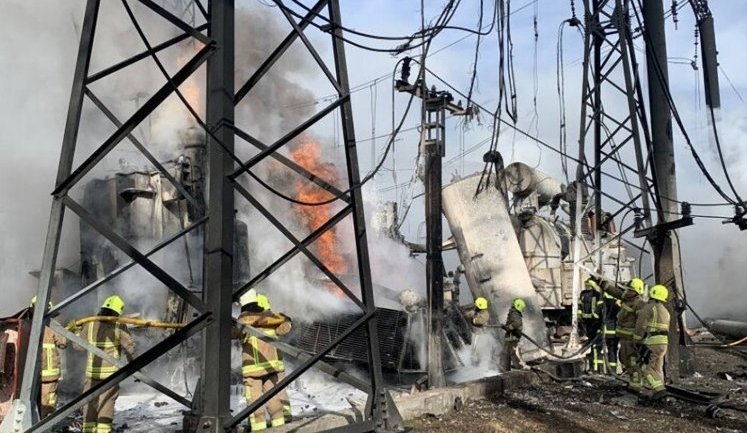
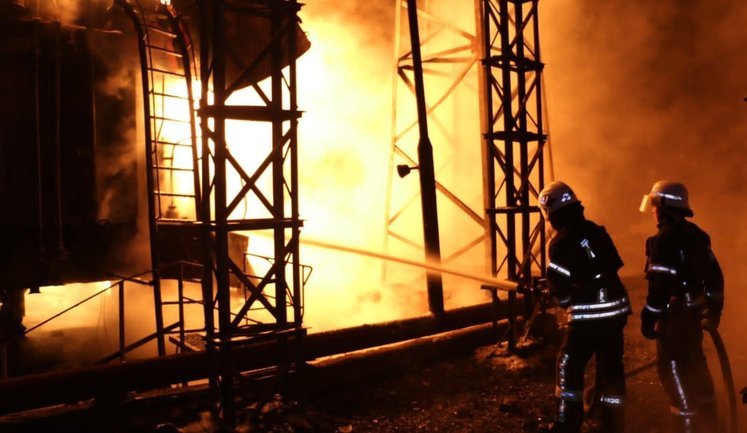
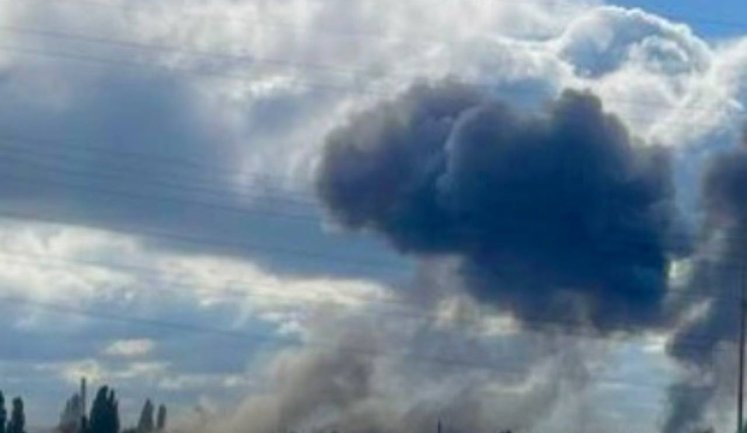
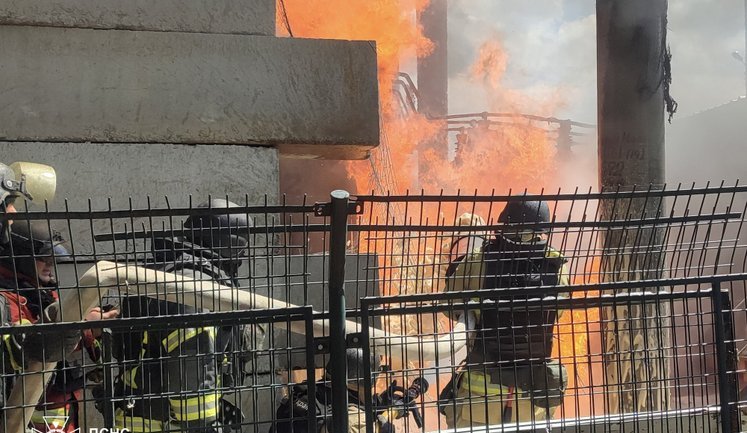
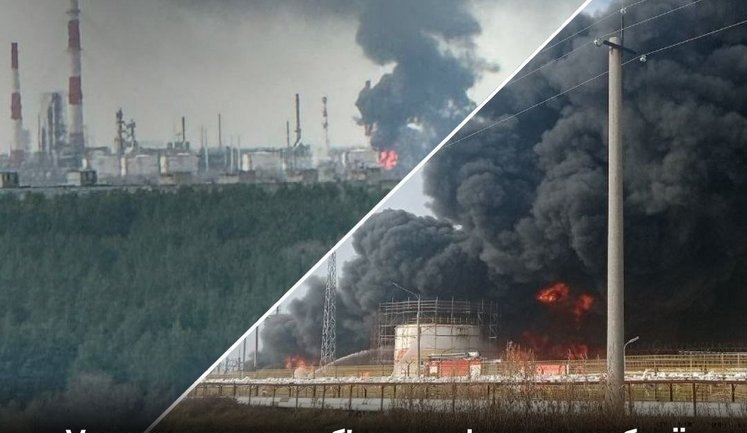
Ukraine's energy sector is under siege with Russian drone strikes causing widespread power outages. The latest attack in Chernihiv led to significant disruptions. Odesa, too, faced a drone strike damaging its energy facility. Meanwhile, power cut schedules are tightening across Ukraine, affecting both industry and households. These measures, instituted by Ukrenergo, aim to manage electricity consumption amidst frequent disruptions. In response, Ukrainian efforts to strengthen energy infrastructure through projects and partnerships are underway, yet challenges like strategic Russian strikes on critical facilities persist, impacting regional power supply.
What regions are affected by power outages due to attacks?
Regions like Chernihiv, Odesa, Zaporizhzhia, and Dnipropetrovsk have experienced power outages due to ongoing hostilities. These attacks target energy infrastructure, leading to temporary loss of electricity for many residents in the affected areas.
How is Ukraine managing electricity consumption amid crises?
Ukraine implements power cut schedules, managed by Ukrenergo, to handle electricity consumption during crises. These restrictions apply across regions, targeting industries and households to ensure balanced energy distribution during periods of high demand and infrastructure damage.
What are the latest measures taken by Ukraine to protect its energy infrastructure?
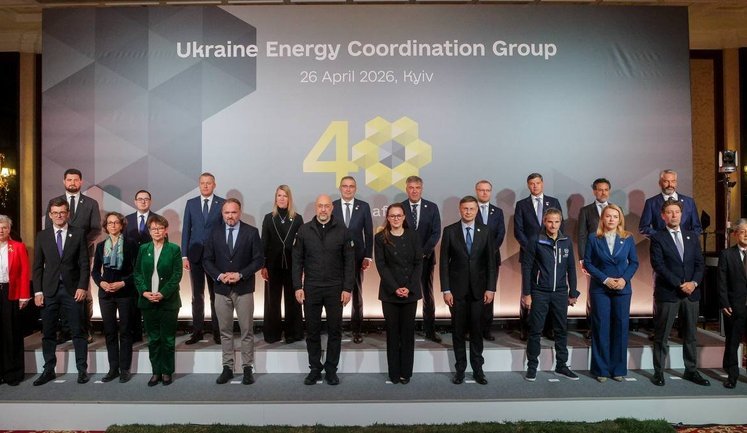
Ukraine is working on enhancing its energy infrastructure through new projects and international partnerships, notably with the U.S. Further, efforts to establish a second level of passive protection at critical facilities are ongoing to fortify against future attacks.
How have recent attacks impacted Ukraine's energy capabilities?
Recent attacks, particularly drone strikes by Russian forces, have damaged crucial energy facilities, leading to extensive power outages. Ukraine has managed to restore parts of its lost capacity, yet challenges in maintaining steady electricity supply persist amidst ongoing hostilities.
What steps are being taken in Ukraine to restore energy supply?
Ukrainian authorities are focused on repairing and fortifying damaged energy facilities. Strategies include restoring lost capacity, applying targeted power outages, and collaborating internationally to support infrastructure resilience, aiming for long-term energy stability amidst frequent assaults.
What is the impact of Russian strikes on Ukraine's energy strategy?
Russian strikes have heavily disrupted Ukraine's energy strategy by damaging infrastructure and necessitating frequent power cuts. This has prompted Ukraine to focus on resilience, restoration, and international cooperation to ensure better protection and continuity of energy supply.