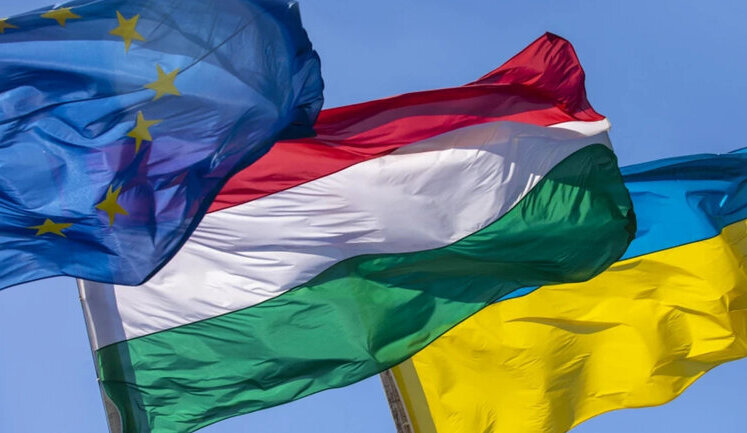
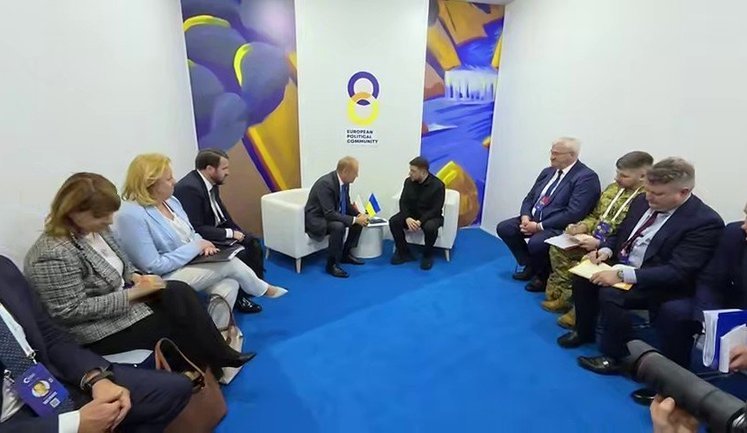
Ukraine's journey towards EU membership is gaining significant attention as it navigates political challenges and pushes for rapid accession. Sweden and other European nations have voiced support for full membership, rejecting Germany's associate membership proposal. Ukrainian and Hungarian officials are engaged in dialogues to smoothen negotiations. Meanwhile, European Council advocates advancing Ukraine's EU integration, emphasizing the necessity of opening the first negotiation cluster promptly. Moreover, although the EU plans to bestow pre-accession benefits due to postponed full membership, debates continue over Ukraine's timeline and partial accession strategies. These discussions underline the geopolitical weight of Ukraine's EU aspirations.
What are the main hurdles in Ukraine's EU membership bid?
Despite substantial progress, Ukraine faces several challenges in its EU membership bid. Key obstacles include political resistance from some EU member states, necessary reforms in Ukrainian governance, and geopolitical tensions. Germany and France, for instance, propose symbolic membership steps without full rights, reflecting the complexity of broader support within the Union. Furthermore, Hungary's conditions tied to minority rights add another layer of negotiation. Overall, achieving consensus across the EU and aligning Ukraine's policies with EU standards remain significant hurdles.
How is the EU assisting Ukraine in the accession process?
The EU is providing Ukraine with substantial support as it works towards meeting accession criteria. Initiatives include financial aid linked to reform implementation and the drafting of pre-accession agreements to facilitate market access. Recently, the EU earmarked €90 billion in support, aiming to underpin Ukraine's reform efforts. Additionally, ongoing consultations between European leaders and Ukrainian officials are fostering a collaborative environment to streamline negotiations, although the path remains politically sensitive.
What role does the European Council play in Ukraine's EU membership process?
The European Council plays a pivotal role in Ukraine's EU membership aspirations by guiding and facilitating discussions among member states. It fosters diplomatic dialogues and sets strategic priorities necessary for accession. Initiatives led by Council President António Costa emphasize opening negotiation clusters essential for accession talks, even amid existing resistance. The Council's involvement underscores the political dimension of EU enlargement and the importance of aligning member states on Ukraine's future within the Union.
Why is rapid EU accession seen as crucial by Ukrainian leaders?
Ukrainian leaders view rapid EU accession as vital for multiple reasons, primarily security and economic stability. Membership is perceived as a geopolitical safeguard against Russian aggression, ensuring long-term peace and alliance with Western democracies. Economically, EU integration promises access to European markets and development programs essential for Ukraine's recovery and growth. President Zelenskyy often highlights these factors, advocating for an expedited process despite inherent challenges within the EU's political landscape.
What economic implications does Ukraine's potential EU membership hold?
Ukraine's potential EU membership carries substantial economic implications for both Ukraine and the Union. For Ukraine, it promises integration into the EU market, access to structural funds, and investment influx, vital for accelerating economic reforms and growth. Conversely, the EU anticipates a strengthened partnership in Eastern Europe, enhancing regional stability and leveraging Ukraine’s economic potential. However, transitional challenges include aligning Ukraine's regulatory and economic frameworks with EU standards, necessitating significant reform efforts.
How is the topic of minority rights affecting Ukraine's EU accession negotiations?
Minority rights issues, particularly concerning the Hungarian minority in Ukraine's Zakarpattia region, are influential in accession negotiations. Hungary has made extending equal rights to this minority a precondition for supporting Ukraine’s candidacy, spotlighting the importance of human rights within EU criteria. Negotiations now involve addressing these rights while balancing national interests and international dialogue, reflecting the intricate relationship between political negotiation and minority protection in the accession framework.
What are some proposed solutions to speed up Ukraine's accession to the EU?
To expedite Ukraine's accession to the EU, proposals include initiating two-stage accession processes and granting pre-accession benefits, such as market access, without full member voting rights. These measures are designed to facilitate integration while satisfying EU internal thresholds. Additionally, accelerating reform implementation within Ukraine and ensuring political alignment among EU members are crucial strategies, as these address the multifaceted nature of enlargement and underline the drive for a united geopolitical front.
What is the significance of negotiation clusters in Ukraine's EU accession process?
Negotiation clusters play a critical role in structuring Ukraine's EU accession dialogue, focusing on specific policy areas requiring alignment with EU standards. Completing preparations for these clusters is seen as a significant milestone, signifying Ukraine’s readiness to proceed with detailed talks. Each cluster addresses areas such as judiciary reform, economic policies, and human rights, reflecting comprehensive criteria that form the backbone of accession conditions and the integration process's rigor.