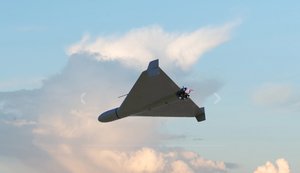
The European Union is playing a pivotal role in supporting Ukraine through substantial financial aid and military assistance. Recently, €6.1 billion was approved for Ukraine to bolster its defense with drones and PAC-3 missiles. This funding is part of a larger €90 billion loan package dedicated to Ukraine's needs. The EU’s commitment highlights its dedication to Ukraine’s sovereignty and territorial integrity, underscoring the importance of air defense capabilities during the ongoing conflict. Additionally, Ukraine's path towards EU membership remains a focal point as the country works to align with European standards and secure membership in both NATO and the EU. The combination of financial aid and military support plays a crucial role in solidifying Ukraine's future in the European community.
Why is the European Union providing financial support to Ukraine?
The European Union is providing financial support to Ukraine to aid in its defense against ongoing military aggression and to support the country's integration into European structures such as the EU and NATO. This support includes substantial loans for purchasing defense systems like drones and missiles.
How much is the European Union loaning to Ukraine, and what is it used for?
The European Union has approved a €90 billion loan package for Ukraine. This funding is intended to support Ukraine's defense capabilities, including the purchase of PAC-3 interceptor missiles for the Patriot air defense systems, and to address other crucial needs amid the ongoing conflict.
What role does the EU see for Ukraine in its security framework?
The European Union sees Ukraine as a critical partner in its security framework, emphasizing the importance of supporting Ukraine's defense to safeguard Europe's overall security. Strengthening air defense and enhancing border protection are key objectives in this partnership.
What are the implications of Ukraine's EU membership efforts on its defense strategies?
Ukraine's efforts to join the European Union are closely linked to its defense strategies. EU membership would enhance Ukraine's security ties with European nations, ensuring greater military support and collaboration in defense initiatives, thus improving regional stability.
How does the EU manage financial requests from Ukraine for defense funding?
The European Union carefully evaluates financial requests from Ukraine to ensure efficient allocation of resources. Such evaluations consider the strategic importance of the assistance and the effective use of funds in bolstering Ukraine's defense capabilities against aggression.
What concerns have been raised regarding Ukraine's financial requests to the EU?
Concerns have been raised within the EU regarding the efficiency of Ukraine's spending of financial aid and the need for transparency. There is an ongoing dialogue to justify new financial requests and ensure the funds are used effectively for Ukraine's defense and recovery efforts.
What steps is Ukraine taking to join the European Union?
Ukraine is actively working towards EU membership by implementing reforms and aligning with EU standards. Officials are focused on meeting the EU's requirements for accession, reflecting Ukraine's commitment to integrating into the broader European community despite challenges posed by the ongoing conflict.