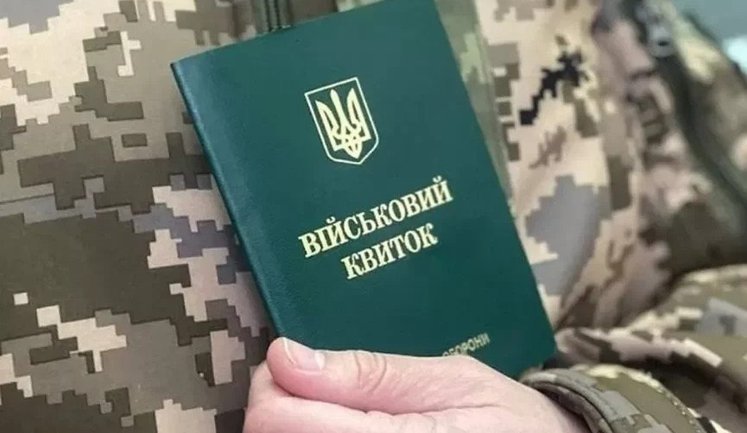
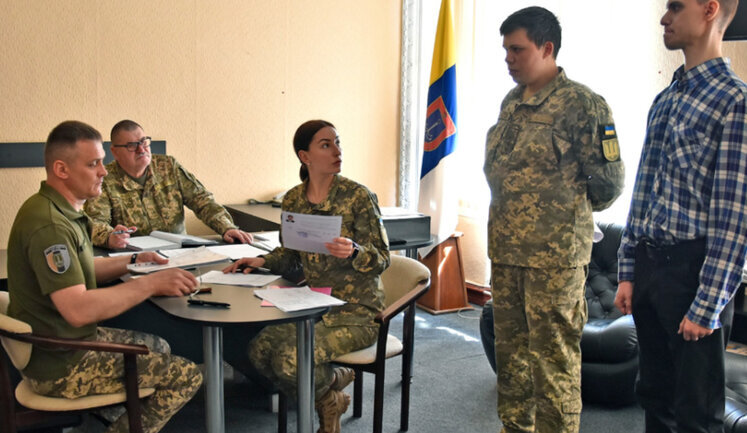
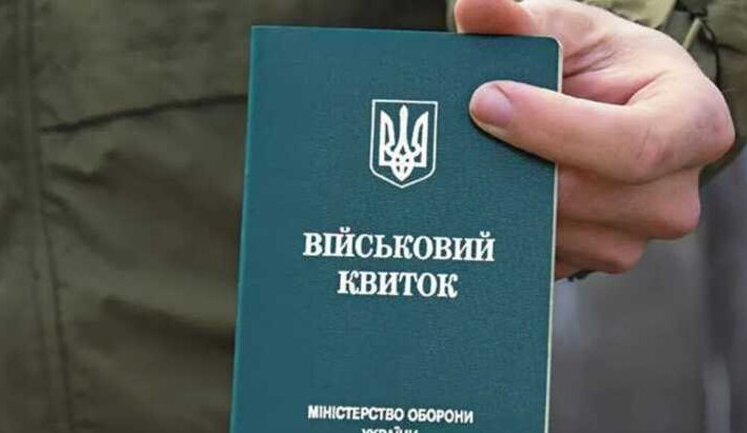
The mobilisation exemption topic in Ukraine has garnered significant attention, with numerous scandals and changes in the implementation of exemption rules. Recent reports highlight the exposure of criminal schemes, including fictitious hiring at educational institutions aiming for exemption benefits. Furthermore, controversies arose around "Korysne TV," a broadcasting company granted critically important status, potentially linked to political motives. The Ministry of Defense has instituted a mechanism allowing critically important enterprises to exempt employees facing military registration violations for up to 45 days. Meanwhile, there have been calls to safeguard critical enterprise operations, as the suspension of exemptions risks economic stability. The ongoing adjustements to the mobilization exemption rules continue to impact various sectors.
What are the recent changes in mobilisation exemption rules?
Recent changes to mobilisation exemption rules in Ukraine include the ability for critical enterprises to temporarily exempt employees with military registration issues for up to 45 days via the Diia portal. This aims to maintain necessary workforce levels during special periods for the defense and economy sectors.
How has the exemption process affected critical industries in Ukraine?
The exemption process is crucial for critical industries in Ukraine, as it allows them to retain essential employees and continue operations. However, recent suspensions and rule modifications threaten these enterprises' functionality, impacting their ability to meet production demands and maintain economic resilience.
What controversies have emerged around mobilisation exemptions?
Controversies around mobilisation exemptions include allegations of favoritism and political influence, exemplified by the case of a media company linked to President Zelensky's PR manager receiving critical status. Such incidents raise questions about the fairness and transparency of the exemption process.
Are there any legal implications for violating mobilisation exemption rules?
Yes, legal implications exist for violating mobilisation exemption rules. For instance, individuals involved in fraudulent exemption schemes or misrepresenting critical status of enterprises can face criminal charges, including trading in influence or offering unlawful benefits to officials.
How are Ukrainian authorities addressing exemption-related fraudulent activities?
Ukrainian authorities are actively investigating and addressing fraudulent activities related to mobilisation exemptions. Recent efforts have uncovered criminal schemes involving fictitious employments at educational institutions and misuse of critical enterprise status. Legal actions and audits are conducted to curb such misconduct.
Can companies without a critical status reserve employees for mobilisation exemption?
Generally, only companies designated as critically important can reserve employees for mobilisation exemption. An audit is conducted to verify the enterprise's status. Companies failing to meet the critical criteria may lose exemption privileges, impacting their operational capacity.