ENG




9774 visitors online
The mobilisation exemption topic in Ukraine has garnered significant attention, with numerous scandals and changes in the implementation of exemption rules. Recent reports highlight the exposure of criminal schemes, including fictitious hiring at educational institutions aiming for exemption benefits. Furthermore, controversies arose around "Korysne TV," a broadcasting company granted critically important status, potentially linked to political motives. The Ministry of Defense has instituted a mechanism allowing critically important enterprises to exempt employees facing military registration violations for up to 45 days. Meanwhile, there have been calls to safeguard critical enterprise operations, as the suspension of exemptions risks economic stability. The ongoing adjustements to the mobilization exemption rules continue to impact various sectors.
What are the recent changes in mobilisation exemption rules?
Recent changes to mobilisation exemption rules in Ukraine include the ability for critical enterprises to temporarily exempt employees with military registration issues for up to 45 days via the Diia portal. This aims to maintain necessary workforce levels during special periods for the defense and economy sectors.
How has the exemption process affected critical industries in Ukraine?
The exemption process is crucial for critical industries in Ukraine, as it allows them to retain essential employees and continue operations. However, recent suspensions and rule modifications threaten these enterprises' functionality, impacting their ability to meet production demands and maintain economic resilience.
What controversies have emerged around mobilisation exemptions?
Controversies around mobilisation exemptions include allegations of favoritism and political influence, exemplified by the case of a media company linked to President Zelensky's PR manager receiving critical status. Such incidents raise questions about the fairness and transparency of the exemption process.
Are there any legal implications for violating mobilisation exemption rules?
Yes, legal implications exist for violating mobilisation exemption rules. For instance, individuals involved in fraudulent exemption schemes or misrepresenting critical status of enterprises can face criminal charges, including trading in influence or offering unlawful benefits to officials.
How are Ukrainian authorities addressing exemption-related fraudulent activities?
Ukrainian authorities are actively investigating and addressing fraudulent activities related to mobilisation exemptions. Recent efforts have uncovered criminal schemes involving fictitious employments at educational institutions and misuse of critical enterprise status. Legal actions and audits are conducted to curb such misconduct.
Can companies without a critical status reserve employees for mobilisation exemption?
Generally, only companies designated as critically important can reserve employees for mobilisation exemption. An audit is conducted to verify the enterprise's status. Companies failing to meet the critical criteria may lose exemption privileges, impacting their operational capacity.
News Mobilisation exemption
 State Financial and Monetary Affairs Service under Pronin’s leadership illegally facilitated granting of deferral from mobilization, - media. DOCUMENT The State Financial Monitoring Service may have organized a scheme to illegally grant deferments from mobilization to employees subject to military service. There are reportedly more than 70 cases of violations. 2 838 16 Previously in trend: Employee mobilization exemption
 SSU officer organised illegal reservation scheme: his accomplice was involved in bugging head of NABU unit An SSU officer who organised a scheme to illegally reserve conscripts from military service has been served with a notice of suspicion. 3 736 9 Previously in trend: Employee mobilization exemption
 Since start of year, police have received over 1.5 million reports regarding search for citizens evading mobilisation, – Tsutskiridze The police and the Armed Forces of Ukraine discussed cooperation on matters relating to mobilisation, the search for draft dodgers, the detection of abuses during the reservations and the work of MMC, as well as the response to cases of AWOL. 13 075 71 Previously in trend: AWOL in AFU Mobilisation in Ukraine Employee mobilization exemption
 Businesses that fund bringing in of foreign volunteers should be required to set same number of places for reserving Ukrainian men, - Butusov Businesses that fund the bringing in of foreign volunteers should be given the opportunity to reserve a similar number of Ukrainian men at their facilities. 1 810 10 Previously in trend: foreign volunteers in the armed forces Employee mobilization exemption
 Government has published new booking rules: status of critical enterprises will remain in force only until 1 September The Cabinet of Ministers has officially published a resolution introducing new deadlines and amending the procedure for reviewing the status of critical enterprises entitled to exempt their employees from mobilisation. 11 410 71 Previously in trend: Employee mobilization exemption
 Cabinet of Ministers has changed reservation rules: deferrals are now linked to salary of at least 25,941 UAH The Cabinet of Ministers has amended the rules governing the retention of staff at critical enterprises and has linked the eligibility for deferrals to salary levels. 10 323 81 Previously in trend: Mobilization deferral
Government changes mobilization exemption criteria for critical enterprises – Ministry of Economy The Cabinet of Ministers is updating the criteria for mobilization exemptions for men liable for military service. In particular, the salary threshold for obtaining a deferment will be raised to UAH 26,000. 16 138 64 Previously in trend: Employee mobilization exemption
 "Servant of People" Zaremskyi proposes changing mobilization exemption rules: deferments for fixed term Maksym Zaremskyi, an MP from the Servant of the People faction, supports changing the rules for mobilization exemptions. 17 655 128 Previously in trend: Employee mobilization exemption
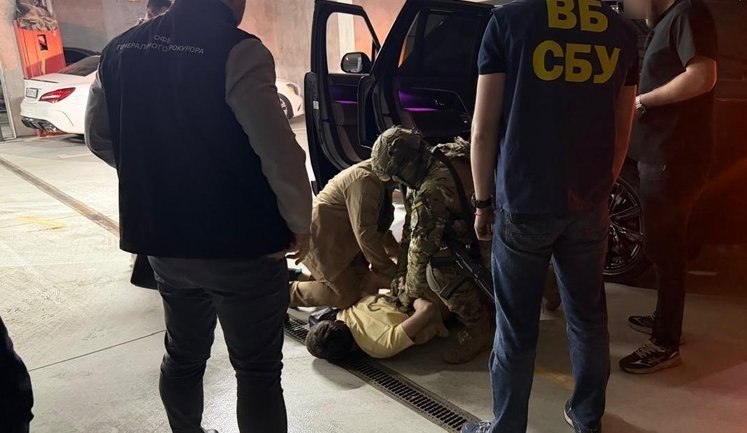
 SSU officer was arrested for taking $34,000 bribe to defer mobilisation. PHOTO Law enforcement officers have uncovered and put a stop to the illegal activities of a serving SSU officer and his accomplice, a businessman, who had organised a scheme involving the fictitious employment of men to secure deferrals from conscription. 4 839 21 Previously in trend: Grafters Bribery in the SSU
 Fictitious teachers and ’exemptions from military service’: criminal scheme exposed at lyceum in Volyn. PHOTOS Officials at an educational institution in Lutsk have been caught up in a criminal scheme. They set up a system to hire people who did not actually perform their duties or turn up for work. Nevertheless, they were paid over 3 million hryvnias. 2 568 10 Previously in trend: Evasion from mobilization
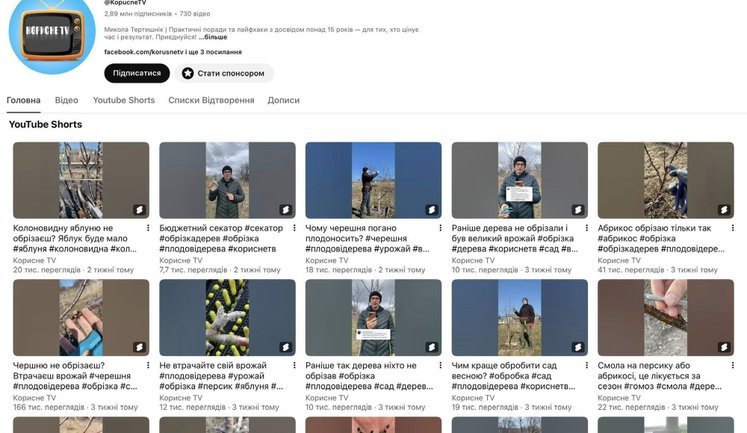
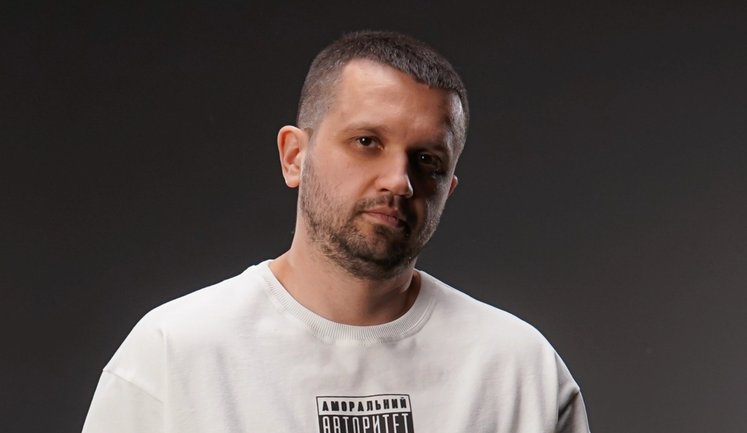
 Mobilization exemption for Zelensky’s PR man Petrov at gardening channel: Nikolov points to owners’ ties to Yermak Journalist Yurii Nikolov believes that the status of a "critically important enterprise" granted to Korysne TV, where Zelensky’s PR man Volodymyr Petrov was recently exempted from mobilization, may be linked to the fact that its owners are longtime acquaintances of former Presidential Office... 5 812 36 Previously in trend: Activities of Volodymyr Petrov
 Scandal over booking of Zelenskyy’s PR representative Petrov: "Broadcasting company ’Korysne TV,’ which offers gardening advice, has received critically important status from Ministry of Culture, - Zhelezniak. DOCUMENT The Ministry of Culture has granted the status of ‘critical to the functioning of the economy’ to ‘Korysne TV’ LLC, a company that provides gardening advice. 4 076 16 Previously in trend: Employee mobilization exemption
 Critical enterprises can exempt from mobilization employees with military registration violations for up to 45 days, Defense Ministry says Enterprises that are critically important for meeting the needs of the Armed Forces of Ukraine, other military formations, or for the functioning of the economy and sustaining the livelihood of the population during a special period in the defense-industrial sector can now temporarily exempt... 1 976 2 Previously in trend: Employee mobilization exemption
 Owners of anonymous Telegram channels reserved as "SSU officers in reserve," - Zhelezniak. VIDEO The probable owners of anonymous Telegram channels are exempt from mobilisation as reserve officers of the Security Service of Ukraine. 10 121 54 Previously in trend: Mobilisation in Ukraine Employee mobilization exemption
 In Odesa, National Police detained TCR serviceman for extorting money. PHOTOS Operatives from the Odesa Office of the Internal Security Department of the National Police, in cooperation with Odesa police investigators, exposed a military serviceman from the TCR attempting to enrich himself illegally. 3 976 29 Previously in trend: Bribery in army
 Transformer manufacturers to be able to reserve 100% of employees, - Svyrydenko The Cabinet of Ministers has allowed companies that manufacture transformer equipment to reserve 100% of their employees. 2 061 14 Previously in trend: Support of Ukrainian energy
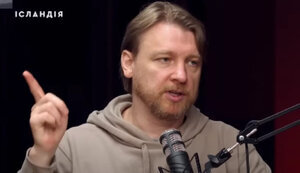
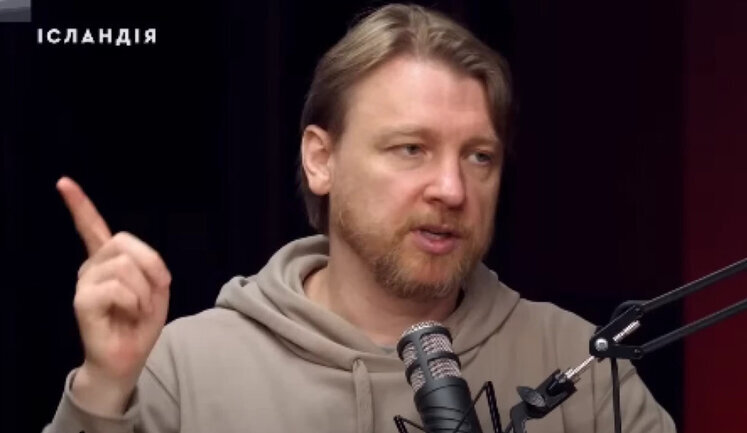
 ’Right-hand man’ of Zelenskyy’s PR aide granted draft exemption as assistant to Servant of People MP Chornyi, - Zhelezniak. VIDEO The director of the Islandia channel, where political strategist Volodymyr Petrov works, was granted a draft exemption as an assistant to Servant of the People MP Dmytro Chornyi. 7 732 22 Previously in trend: Activities of Volodymyr Petrov
 Scandal over reservation of Zelenskyy’s PR manager Petrov: "Military Cemetery" institution says it is not obliged to agree personnel decisions with Ministry of Veterans Affairs The State Institution "National Military Memorial Cemetery" makes personnel decisions within its own powers and is not required to additionally coordinate them with the Ministry of Veterans Affairs of Ukraine. 4 183 31 Previously in trend: Activities of Volodymyr Petrov
 Defense staff mobilization exemption: State Statistics Service approves required reporting form The state statistical observation form No. 1P-NPP (annual), "Report on the production and sale of industrial products," has been approved and is available for completion and submission by all respondents, including defense industry enterprises. 1 764 1 Previously in trend: Ukrainian defense industry Employee mobilization exemption
 Petrov, Zelenskyy’s PR manager, is paid from budget for his exemption from mobilisation, - Zhelezniak. VIDEO Political strategist Volodymyr Petrov and journalist Serhii Ivanov have been exempted from mobilisation. This is being paid for with taxpayers' money. 18 078 83 Previously in trend: Activities of Volodymyr Petrov
 NAUDI warns of critical risks for defence industry due to new government mobilization exemption rules The National Association of Ukrainian Defence Industries (NAUDI) says Cabinet of Ministers Resolution No. 1608, adopted on December 8, 2025, on exempting defence enterprise employees from mobilization, has created serious risks. 2 985 12 Previously in trend: Employee mobilization exemption
 45-day mechanism for defence industry and abolition of 72-hour checks: Cabinet of Ministers amends mobilisation exemption rules Today, 8 December, the Cabinet of Ministers of Ukraine approved changes to the procedure for granting mobilisation exemption to those liable for military service. They are intended to protect the staffing potential of enterprises that operate in the defence-industrial complex and ensure the... 5 589 9
 Rada has allowed reservation of defence industry employees, even if they have registration issues The Verkhovna Rada has approved a bill that will allow defence industry employees to be reserved even if they have problems with military registration. 5 116 10 Previously in trend: mobilization Mobilisation in Ukraine Employee mobilization exemption
 Zelenskyy: Frontline enterprises may increase percentage of employees granted mobilization exemption The government will consider increasing the percentage of employees granted mobilization exemption at enterprises located and operating directly in frontline and border areas. 2 633 13 Previously in trend: Support for frontline communities Employee mobilization exemption
 MoD: Request to Ministry of Health on lifting exemptions from military service for medics concerns only targeted complete staffing of AFU Medical Forces units The request submitted by Ukraine’s Ministry of Defence to the Ministry of Health concerns only specialists in critically undersupplied medical fields who have undergone training in military occupational specialties and are needed to complete staffing of Armed Forces medical units. 1 532 24 Previously in trend: mobilization Reservation of medics
 Ministry of Health preparing lists of medical personnel to lift exemption from military service: request received from Ministry of Defence and Armed Forces The Ministry of Health has received a request from the Ministry of Defence and the Command of the Medical Forces of the Armed Forces of Ukraine to lift the military exemption status of certain medical personnel. 21 621 186 Previously in trend: mobilization Reservation of medics
From today, all reservations made under old rules are no longer valid - Ministry of Economy Starting 1 April 2025, all reservations made under the old rules will become invalid. Only companies that have already updated their criticality status in accordance with the new requirements will be able to continue booking their specialists after this date. 12 542 68 Previously in trend: Mobilization deferral
 Ukrainians abroad will be able to get mobilisation reservations remotely, - Chernyshov Ukrainians who are abroad will be able to receive reservations from mobilisation with further employment in Ukraine in special centres before returning home. 6 871 45 Previously in trend: mobilization
 We plan to extend deadline for determining criticality and re-booking of employees until 31 March, - Shmyhal The government plans to extend the deadline for confirming the criticality of enterprises, as well as the deadline for rebooking employees, until 31 March 2025. 4 962 12
 Medics removed from exemption will be enlisted in Armed Forces under 1-year contract – Liashko Medics removed from exemption will be drafted into the Armed Forces under a one-year contract and will serve only in medical positions. 3 850 12
 Employees of public utilities will be able to receive reservations: Zelenskyy enacts NSDC decision Employees of heating companies, water utilities, and household waste management will be able to receive reservations from mobilisation. No more than 75% of the total number of employees liable for military service in these companies will be able to be booked. 5 982 24
 Service in rear and fictitious military exemption: Organisers of ’schemes for draft evader’ exposed in Khmelnytskyi region and Dnipro. PHOTOS Two mobilization evasion schemes organized by residents of the Khmelnytskyi and Dnipro regions were exposed. Both were served a notice of suspicion of trading in influence and incitement to give an unlawful benefit to an official (Part 4 of Art. 27, Part 3 of Art. 369, Part 3 of Art. 369-2 of... 3 439 5
 As of today, 900-950 thousand people have been reserved for mobilisation - Shmyhal Prime Minister Denys Shmyhal said that as of today, about 900-950 thousand people have been reserved Ukraine. 6 691 17 Previously in trend: mobilization
 After February 28, certain percentage of those liable for military service who were reserved will be mobilized - "Servant of People" Fedienko After February 28, a certain percentage of conscripts who have been booked will be mobilized into the ranks of the Defense Forces. 16 859 74
 Government allowed to exempt clergy from mobilization - media The Cabinet of Ministers has amended the Procedure for exempting persons liable for military service for the period of mobilization and wartime. From now on, priests will be able to be exempted from mobilization. 8 690 77 Previously in trend: mobilization
 Military exemption service on Diia portal is available again - Ministry of Economy The military exemption service on the Diia portal is available again. 1 305 9 Previously in trend: mobilization
 50% of men of conscription age ready to return to Ukraine if reservation issue is resolved, - Ministry of Unity Half of Ukrainian men of military age abroad are ready to return to Ukraine before the end of the war if the issue of reservations is resolved. 13 355 167
 Salary of UAH 20,000 for reservation employees is implementation of "fight or work" principle - Shmyhal An average salary of UAH 20,000 is required to reserve employees from mobilisation. 12 392 100 Previously in trend: War
 Defence enterprises can continue to book 100% of employees - clarification of Ministry of Economy Critically important defence enterprises recognised by the Ministry of Strategy and Industry will continue to be able to book 100% of their employees as before. The allegations of a reduction in the volume of bookings for such enterprises, as well as alleged threats to the defence industry due... 4 326 7
 Head of Sumy RMA Artiukh canceled military exemption for employees of critical infrastructure utilities - Konotop Mayor Semenikhin. VIDEO In the next two days, on 28-29 November, all employees of critical infrastructure utilities are to be mobilised in Sumy region. The head of the RMA, Volodymyr Artiukh, has allegedly canceled military exemption for such employees. 10 241 43
 Deferrals issued by Ministry of Economy and through Diia will be canceled on February 28, 2025, - Cabinet of Ministers decree (updated) The Cabinet of Ministers has issued a resolution to change the validity of the deferrals from mobilisation issued by the Ministry of Economy and through Diia, which will expire on 28 February 2025. 22 584 51
 All reservations from December 1 will be made through "Diia" - Shmyhal Reservations for mobilization from 1 December 2024 will be made through "Diia". 8 260 41
 Suspension of military exemption has destructive impact on economy and sends negative signals to investors - media Suspension of military exemption of workers has a destructive impact on the economy, as in such conditions businesses may lose the ability to maintain even the current level of production. In addition, it sends negative signals to investors and partners of Ukraine who planned to invest in our... 2 922 18
 Government should consider exemption from mobilization for private entrepreneurs, it will bring billions to finance AFU, - Kozytskyi, head of LRMA The Cabinet of Ministers should consider the possibility of exempting employees from mobilization who are employed by individual entrepreneurs. This will significantly increase revenues to the state and local budgets, and thus raise additional funds to finance the Armed Forces. 63 0
 75 thousand men of mobilization age work in National Police, 15 thousand of them are already performing combat missions The National Police of Ukraine currently employs about 70-75 thousand male police officers of mobilization age (25-60 years old). 15 thousand of them are already performing combat missions. 7 906 80
 As of end of October, we have 906,000 exemptions from military service - Svyrydenko First Vice Prime Minister and Minister of Economy Yuliia Svyrydenko denied the information that 1.5 million men had been deferred from mobilisation due to an abnormally rapid increase in the number of exemptions. 9 479 33
 There is no logic in suspending military exemption of critical employees - expert Suspension of military exemption, which the government has implemented, poses a real threat to the operation of strategically important enterprises and could cause numerous disruptions in their work. Therefore, the mechanism for retaining important employees should be restored as soon as possible. 4 770 13
 Pauses in exemption from military service threaten companies with loss of critical employees - NV It will be impossible to exempt an employee in the next three weeks as Ukraine continues to audit critical enterprises. But that's not all: after November 15, companies may lose the right to exempt employees, and the military exemption procedure may change. And while this pause lasts, companies... 3 050 21
Page 1 of 3
more news