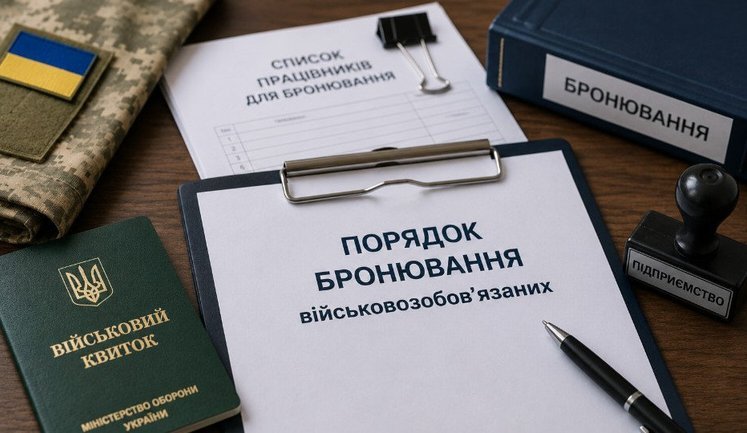
Ukraine's mobilisation exemption system has undergone significant changes, affecting various sectors. The Ministry of Economy forecasts that stricter requirements will lead to 10-15% of businesses losing their critically important status. This affects how enterprises secure employee exemptions. The National Association of Ukrainian Defence Industries urges the government to extend exemptions for defense workers until February 2027. New rules mean only businesses fulfilling mobilisation commitments can retain full workforce exemptions. A dedicated Coordination Centre will oversee the exemption system. Prime Minister Koretskyi announced that a new system to streamline employee recruitment in the armed forces is expected by December. These updates are crucial for enterprises and individuals navigating the mobilisation landscape in Ukraine.
What are the new changes to mobilisation exemptions in Ukraine?
The Ukrainian government has introduced updates to the mobilisation exemption criteria, which include stricter requirements for business categories and critical status recognition. Approximately 10-15% of businesses may lose their critically important status. A dedicated Coordination Centre has been established to manage these exemptions more effectively.
How will the changes affect defense industry workers in Ukraine?
Defense industry workers in Ukraine may see an extension of their mobilisation exemption until February 2027. The National Association of Ukrainian Defence Industries is advocating for this continuation to ensure the defense sector's workforce stability and maintain production levels during heightened military demands.
How does the new mobilisation system impact businesses in Ukraine?
Businesses in Ukraine must meet more rigorous criteria to maintain mobilization exemptions. Only those fulfilling specific commitments related to national defense can ensure full workforce exemptions, impacting business operations, particularly in critical and defense industries.
What role does the Coordination Centre play in the exemption process?
The Coordination Centre is established to oversee the mobilisation exemption system. It ensures that the updated rules are followed, that businesses meet the required standards, and it coordinates with various government agencies to streamline the exemption and processing of requests.
Are there any implications for businesses not meeting exemption criteria?
Businesses that fail to meet the new exemption criteria risk losing their critically important status. This could result in the inability to retain essential staff, which would impact operations and potentially lead to disruptions in service or production in sectors crucial to national security and economy.