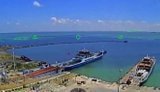
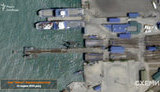
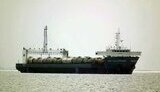
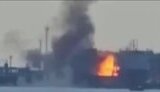
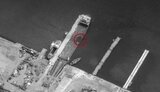
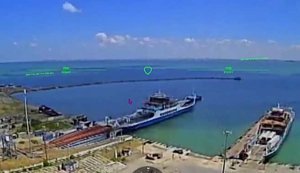
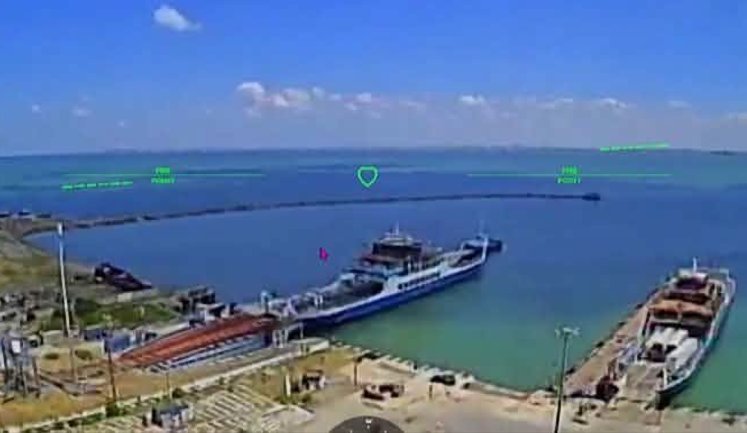
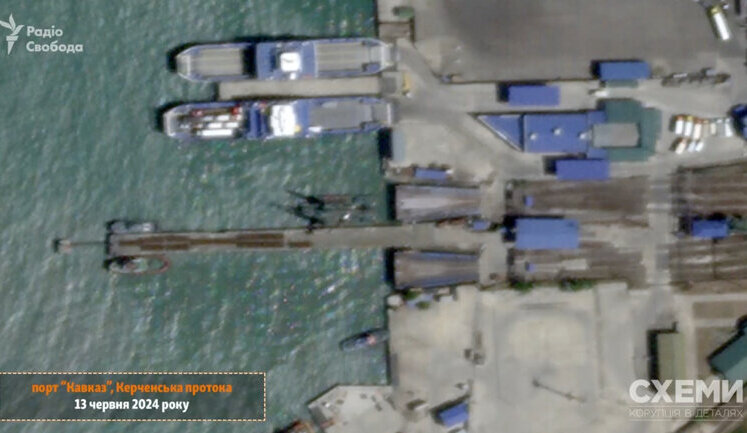
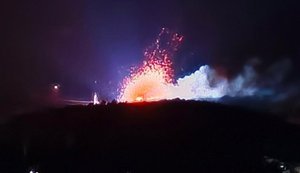
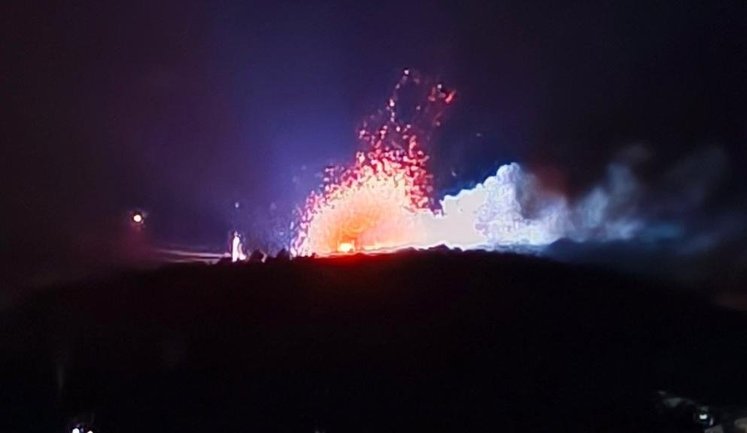
The recent Ukrainian Armed Forces' strike on the Russian ferry "Conro Trader" in the port of Kavkaz has caused significant disruption to Russian logistical operations. The destruction of the ferry, confirmed by the Ukrainian Navy, is expected to affect supply routes for Russian forces in southern Ukraine and complicate the transport of essential goods, including liquefied petroleum gas. British intelligence has highlighted the logistical challenges this will present for the Russian military. Satellite photos documenting the aftermath of the strike have been made public, showing the extent of the damage. This incident underlines the ongoing strategic pressure on Russian transport infrastructure amid the conflict.
What was the impact of the Ukrainian strike on the Russian ferry?
The Ukrainian strike led to the destruction of the Russian ferry "Conro Trader" in the port of Kavkaz. This strike has caused serious logistical disruptions for the Russian military, affecting supply routes and the transportation of goods such as liquefied petroleum gas to southern Ukraine.
How did the Ukrainian Navy confirm the ferry strike?
The Ukrainian Navy officially confirmed the successful destruction of the "Conro Trader" ferry at the port of Kavkaz through their communications. The confirmation emphasizes the ongoing strategic operations by Ukraine to hinder Russian military logistics.
Why is the ferry strike significant for Russian military logistics?
The strike is significant because it directly affects the supply routes used by the Russian military. Blocking these routes makes it more challenging for Russian forces to receive necessary supplies, complicating military operations in southern Ukraine.
What evidence has been provided regarding the strike's impact?
Satellite photos have been released showing the damage incurred at the ferry site in Kavkaz. These images provide visual proof of the strategic impact and effectiveness of the Ukrainian strike on Russian supply capabilities.
How does this ferry disruption affect civilian logistics?
The disruption of the ferry service at Kavkaz port not only impacts military supply routes but can also affect civilian logistics, including the transport of consumer goods and commodities that rely on the same transit paths affected by the strike.
What potential long-term effects could arise from the ferry's destruction?
Long-term effects could include sustained logistical challenges for Russian military operations in the region, potential shortages of supplies, and increased strain on alternative transport routes, further complicating Russia's military efforts and regional stability.
Have there been similar ferry-related disruptions in the region before?
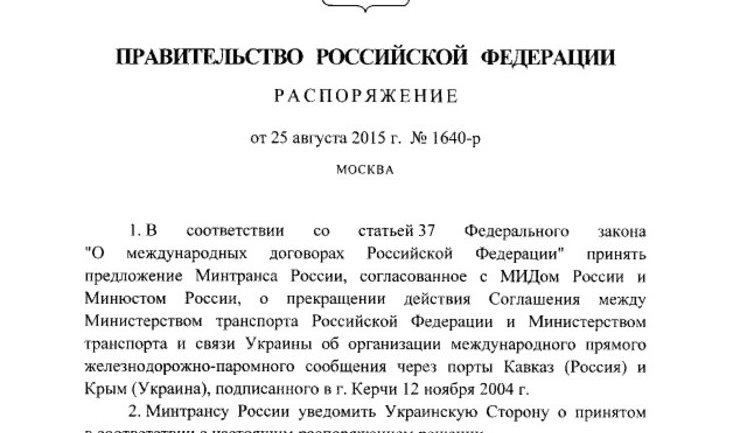
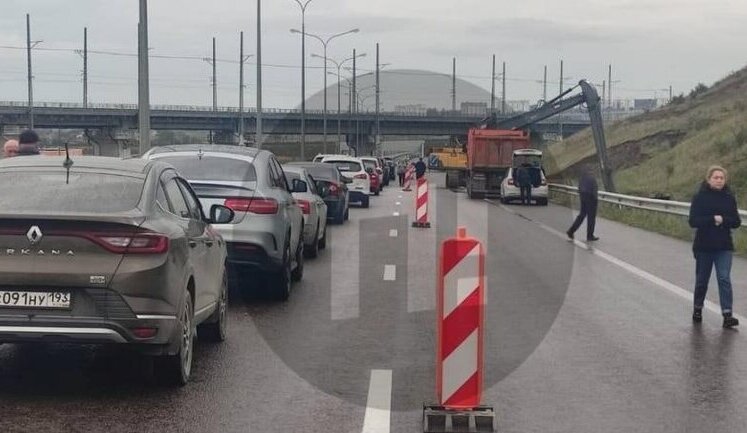
Yes, there have been previous disruptions, such as the suspension of ferry operations in the Kerch Strait due to military strikes, highlighting the vulnerability of maritime transport in the conflict zone and its impact on regional logistics.
What is the strategic importance of the Kavkaz port?
Kavkaz port serves as a critical logistical hub for the transport of military and civilian goods. Its strategic location makes it a vital juncture for supply routes, and any disruptions can have significant operational repercussions for the transit of goods, especially under current geopolitical tensions.