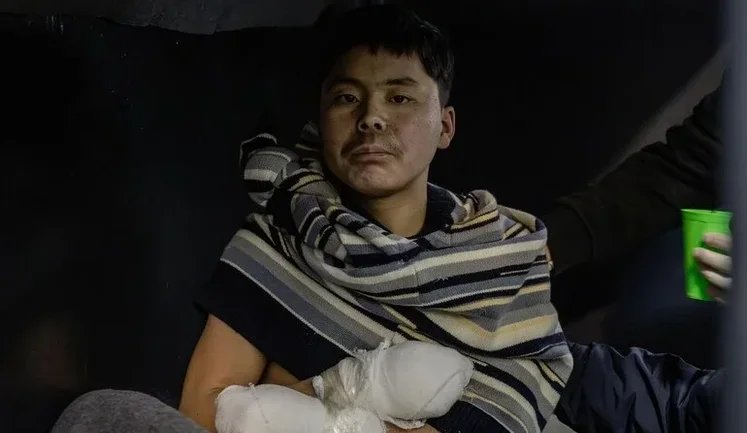
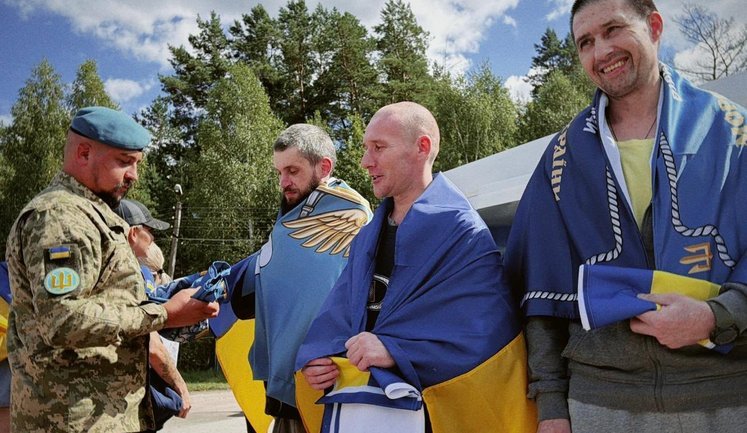
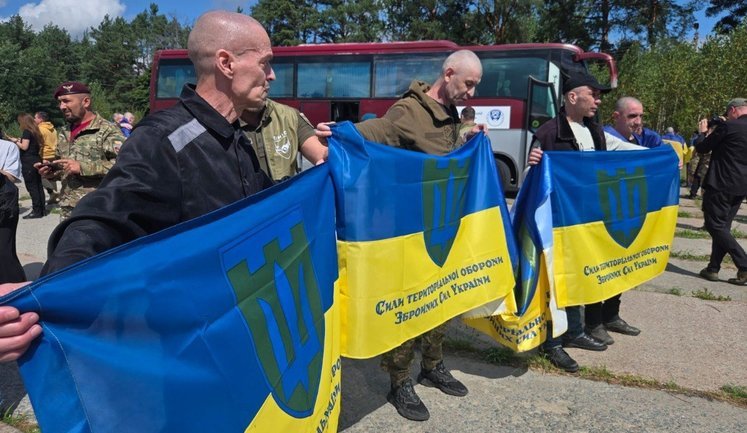
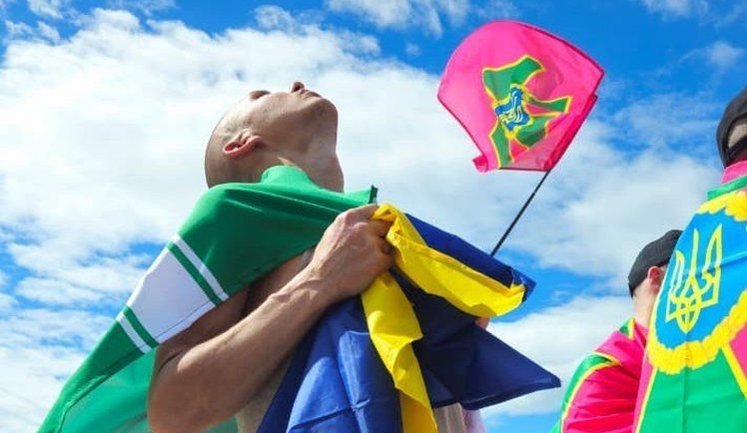
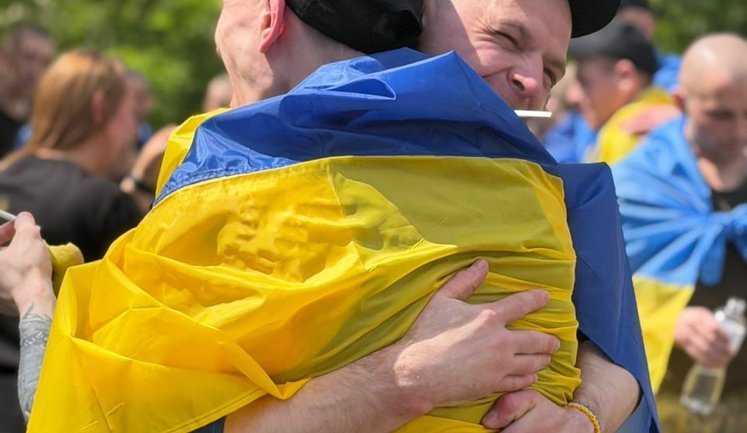
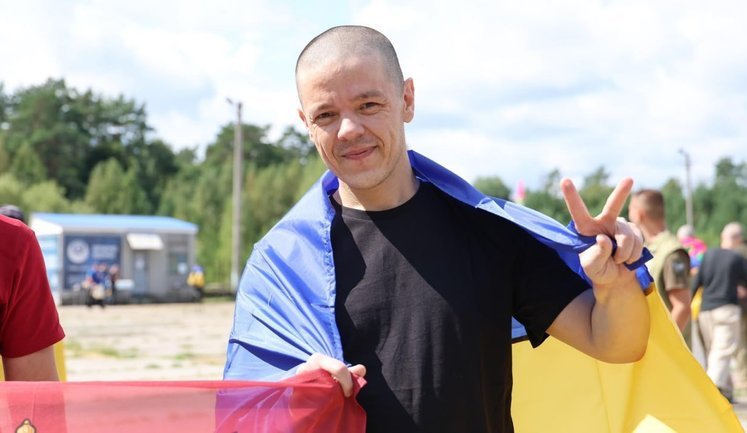
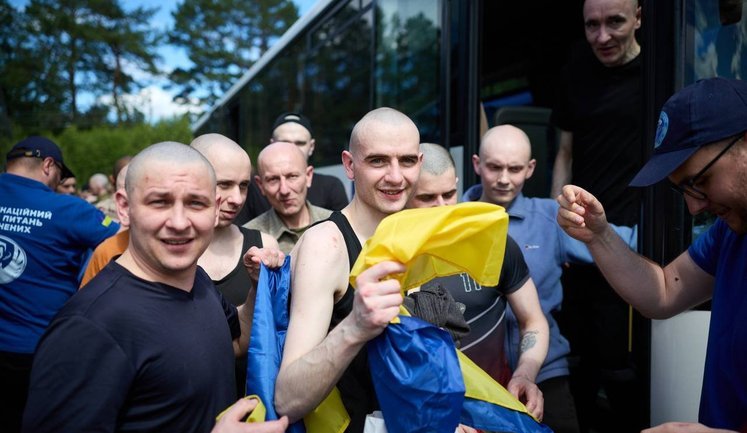
Ukraine continues its relentless efforts to bring its prisoners of war (POWs) back home. In recent updates, several prisoner exchanges have been successfully executed, with many Ukrainian soldiers being repatriated. Kyrylo Budanov, head of the President's Office, announced an upcoming major exchange. Ukraine's Coordination Headquarters regularly publishes statistics and outcomes of these exchanges, highlighting the return of numerous wounded and ill service members. Reports have also emerged about severe mistreatment and execution of Ukrainian prisoners of war by the Russian forces, raising international concern. The commitment to securing the release of Ukrainian POWs remains steadfast, with ongoing negotiations anticipated to yield further successful exchanges.
What is the current status of Ukrainian POW exchanges?
Ukrainian and Russian authorities have been actively engaged in prisoner of war exchanges, with several successful operations recently reported. Key initiatives by Ukraine have resulted in the return of a significant number of its servicemen from Russian captivity, despite reports of severe mistreatment. Efforts are ongoing to secure the release of remaining POWs.
How have POWs been treated during captivity?
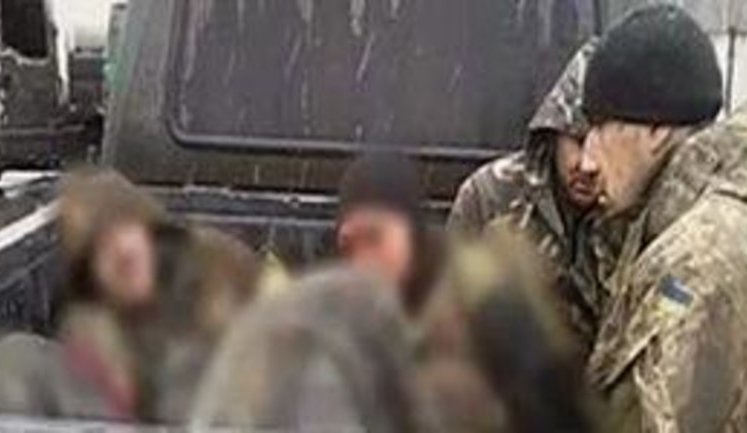
Reports indicate that Ukrainian POWs have faced harsh conditions during their captivity in Russia, including instances of torture and execution. International bodies, including the UN, have documented cases of ill-treatment, urging for human rights to be upheld in accordance with international law.
Who oversees the prisoner exchanges between Ukraine and Russia?
The Coordination Headquarters in Ukraine plays a key role in managing prisoner exchanges with Russia. This body compiles statistics, coordinates negotiations, and ensures that returned service members receive the appropriate care and attention upon their release from captivity.
Are there upcoming prisoner exchanges planned?
Yes, ongoing talks between Ukrainian and Russian officials suggest that additional prisoner exchanges are planned for the near future. These negotiations continue to aim for the release of as many Ukrainian defenders as possible, with strategic coordination efforts made by high-profile officials like Kyrylo Budanov.
What challenges are faced in conducting POW exchanges?
Organizing and executing prisoner exchanges involves complex negotiations often hindered by political tensions. The process can be delayed due to non-compliance or disruptions by either side, making it a challenging diplomatic endeavor to ensure the safe return of POWs.