26221 visitors online
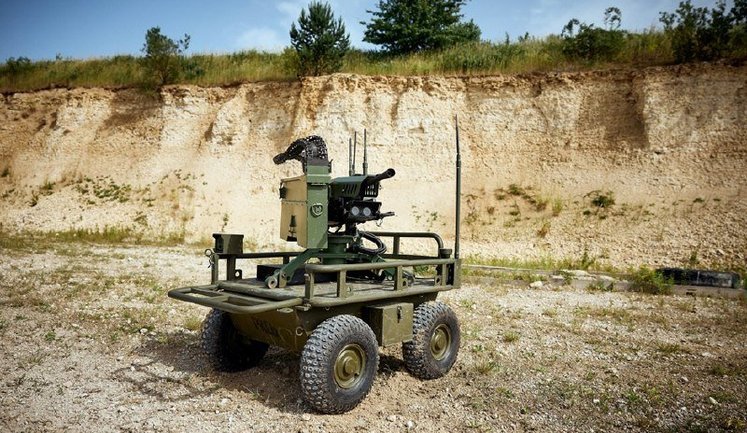
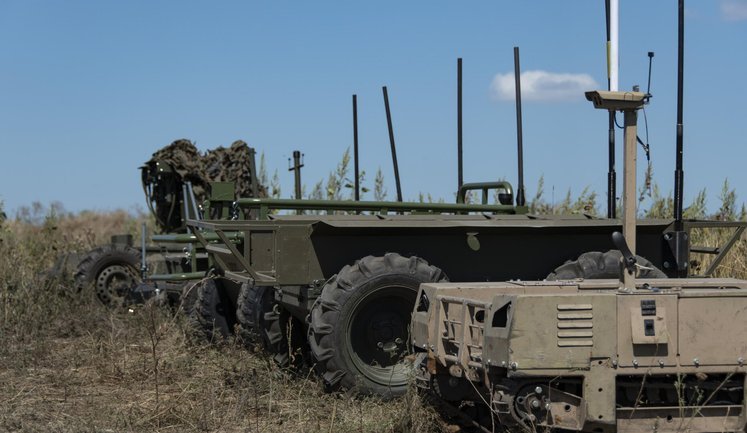
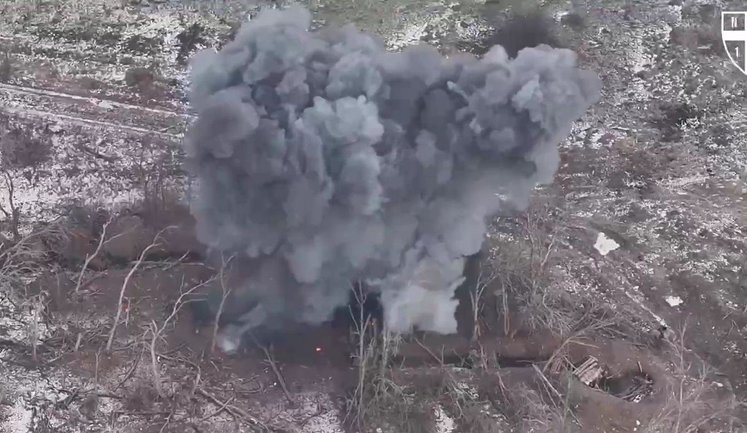
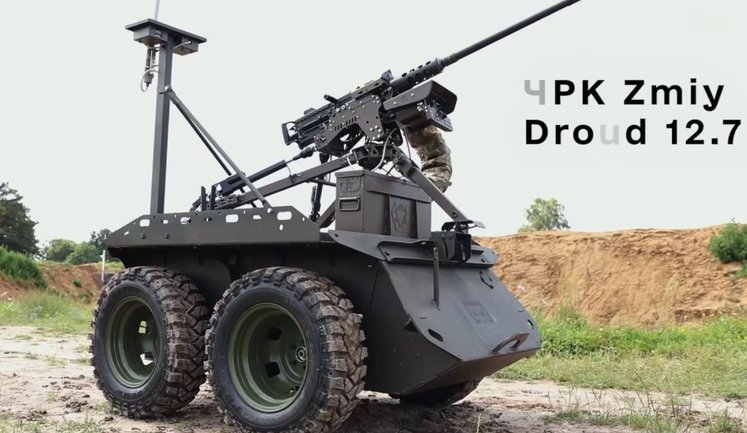
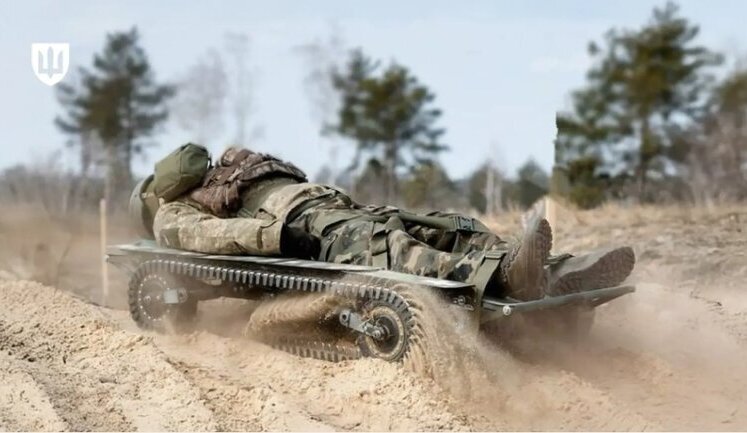
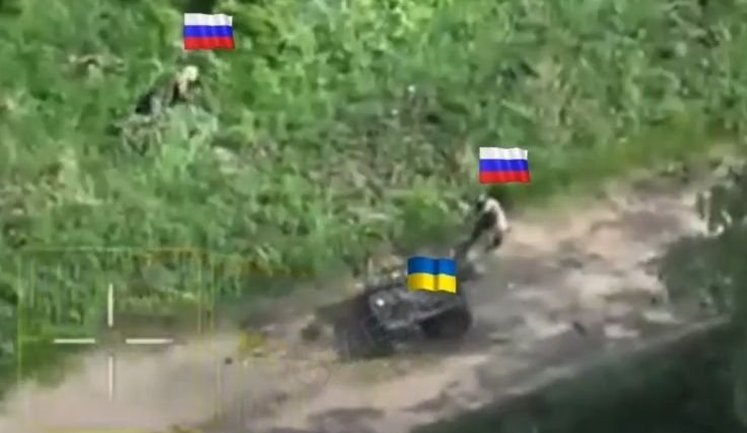
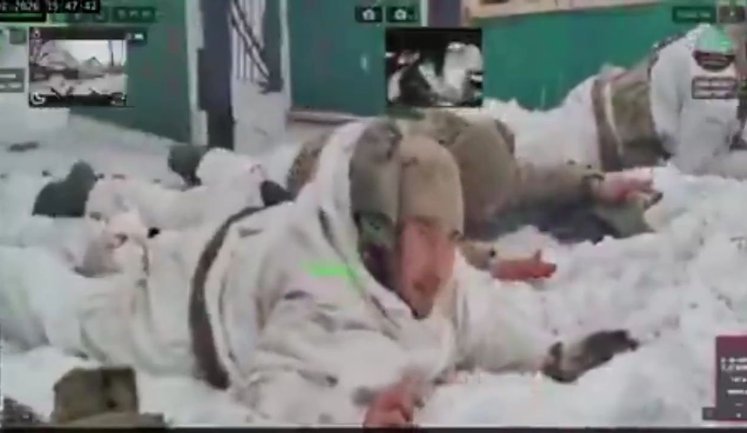
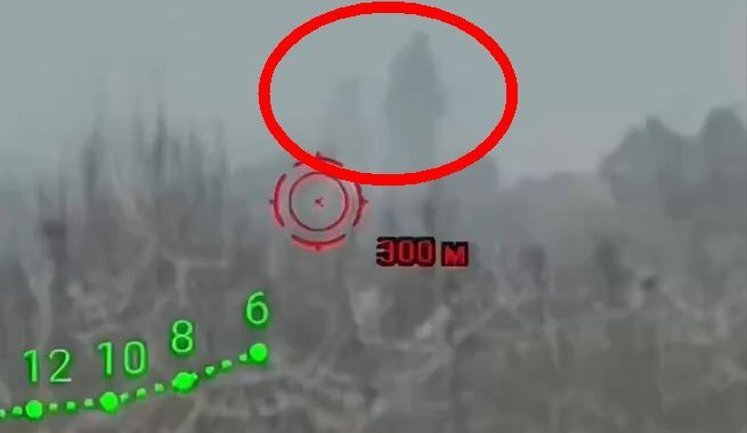
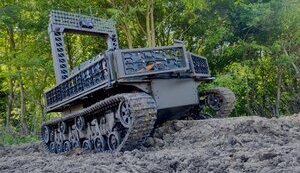
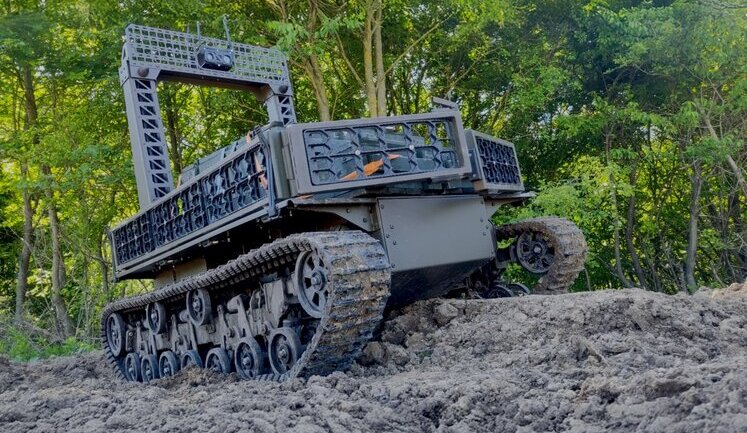
Unmanned Ground Vehicles (UGVs) are increasingly vital in Ukraine's defense strategy, providing significant tactical advantages. Recent reports showcase the successful use of UGVs in various missions, from evacuating wounded soldiers under fire to breaking through enemy lines for logistics operations. These ground-based robotic systems are not only remote-controlled but also designed to operate in high-risk combat environments, thereby minimizing human risk. By integrating advanced technology, UGVs execute complex tasks such as targeting enemy equipment, supporting logistics, and performing reconnaissance missions. The expanded distribution and usage of these robots have been made possible through platforms like DOT-Chain Defence, where military units can order UGVs tailored to their needs. The capability to effectively conduct numerous operations using UGVs highlights Ukraine's commitment to technological advancements in warfare.

How are unmanned ground vehicles used in Ukrainian military operations?

Unmanned Ground Vehicles (UGVs) in Ukraine are employed for evacuation of wounded soldiers, delivering supplies in dangerous zones, and conducting reconnaissance and offensive operations. These systems enhance battlefield efficiency by reducing human presence in high-risk areas.
What technological features make UGVs effective in combat zones?

UGVs are equipped with various technological advancements, such as remote control capabilities, integration with weapon systems, and real-time video transmission. These features allow them to operate efficiently in hostile environments, perform tasks like targeting and logistics, and minimize risks to personnel.

What is the DOT-Chain Defence platform in Ukraine?

DOT-Chain Defence is a procurement platform used by Ukraine's military to order unmanned systems like UGVs. It allows units to select and purchase UGVs for specific combat and support tasks, thereby streamlining logistics and operational deployment without exposing personnel to direct danger.

What role do UGVs play in the evacuation of wounded soldiers?

UGVs play a crucial role in the evacuation of wounded soldiers by transporting them from the battlefield to safety. These robots can navigate harsh terrain under fire, ensuring rapid and safe evacuation without risking additional personnel, thus saving lives in critical situations.

How has Ukraine improved its UGV capabilities over time?

Ukraine has significantly enhanced its UGV capabilities by continuously investing in research and development, expanding production, and integrating advanced technologies into these systems. Efforts include increasing operational range, improving reliability, and reducing costs, thereby allowing wide distribution and varied applications on the front lines.

What are some of the challenges faced when deploying UGVs in military operations?

Deploying UGVs in military operations presents challenges such as maintaining communications over large distances, ensuring robustness against enemy electronic warfare tactics, and sustaining operability in extreme weather conditions. Ongoing research aims to overcome these challenges by enhancing UGV resilience and adaptability.

Are there any international collaborations involved in Ukraine's UGV development efforts?

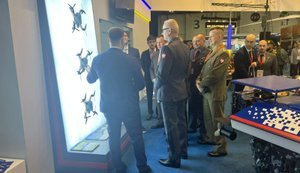
Yes, Ukraine actively collaborates with international partners in developing UGVs, engaging in joint research with allied nations and participating in global defense exhibitions like UMEX 2026. Such collaborations facilitate technology transfers and the exchange of expertise, further advancing Ukraine's unmanned systems capabilities.

show details

Articles Unmanned Ground Vehicle (UGV)

Zelenskyy on drones Era of Ukrainian drones that reshaped war. How UAVs evolved on battlefield On December 15, details emerged of a new brazen operation by the Security Service of Ukraine (SBU) that can be ranked alongside the now-legendary "Spiderweb". This time, using Sub Sea Baby underwater drones, the SBU blew up an enemy Varshavyanka-class submarine in the port of Novorossiysk, estimated to be worth $400 million. It was the first time anything like this had happened in history. 201 0 Previously in trend: Drone industry

Vladyslav Belbas Ukrainian Armor CEO Vladyslav Belbas: Excessive bureaucratization of procurement process in defense industry market adversely affects army supplies Ukraine’s defense industry is currently at its peak, accounting for a third of domestic GDP growth. However, the sector faces enormous challenges, primarily linked to a lack of funding. 93 0 Previously in trend: Drone industry

Viktor Pavlov Viktor Pavlov: "UGV is expensive hardware, but compared to human life, it costs pennies" This is not just an interview, but a full-fledged tour of the UGV school based at the Third Assault Brigade, which Viktor Pavlov and his comrades have been developing since January 2025. Demand for training among service members is so high that the waiting list is booked eight months ahead. Unmanned ground vehicles are becoming increasingly widespread at the front, but there are not enough people who can train qualified operators. The state welcomes the initiative but does not yet fund it, so the team has to look for resources for their activities on their own. 111 0 Previously in trend: Drone industry

drone Is rise of machines near? What drone synergy is and how it affects war A vivid example of drone synergy is the sinking of the Russian cruiser Moskva. The decisive blow to the ship was delivered by two Neptune missiles, but at the time a Bayraktar TB2 UAV could have been drawing the cruiser’s air defences onto itself, or identifying the target, pinpointing its coordinates and cueing the coastal missile system. Thanks to drone synergy, the effectiveness of different types of weapons increases many times over, making it possible to achieve results that once seemed impossible. 182 0 Previously in trend: Drone industry

UNEX UGV UNEX UGV project lead: 70-80% of ground operations will involve UGVs Unmanned technologies today cover the air, sea, and land domains. But while UAVs and uncrewed surface vessels (USVs) are widely discussed, with plenty of footage of them in action online, ground systems have largely remained in the shadows. At the same time, the demand for such machines at the front is considerable. They are employed not only for logistics missions but also for minelaying and demining, as well as casualty evacuation. Experts see significant potential in the employment of UGVs (unmanned ground vehicles). 329 0 Previously in trend: Drone industry