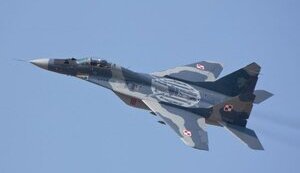
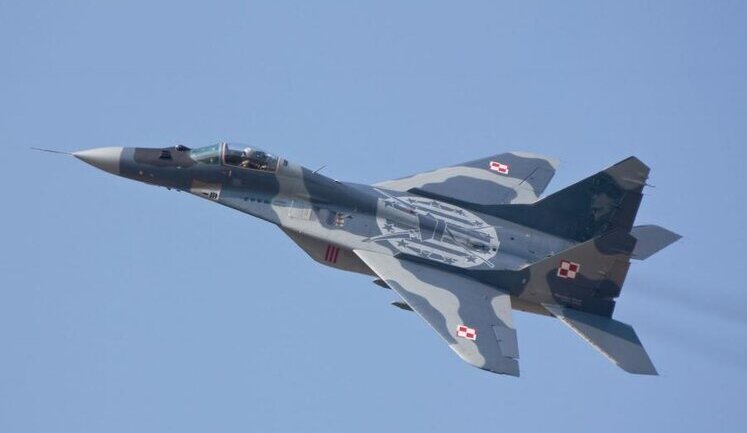
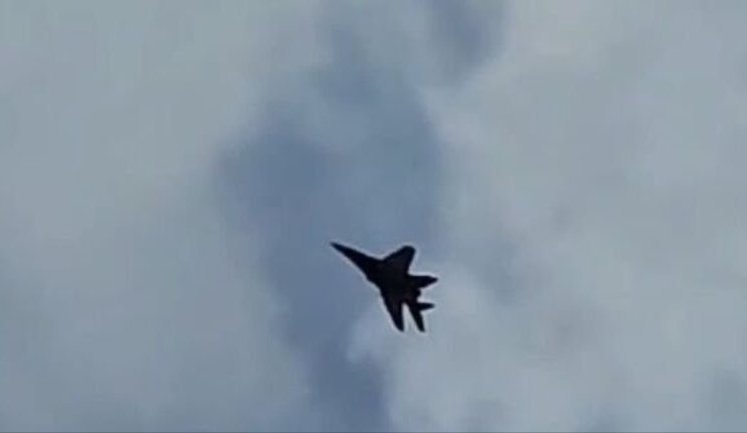
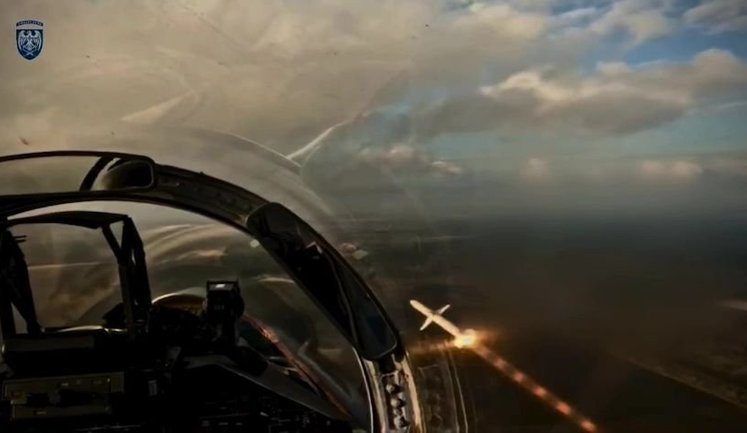
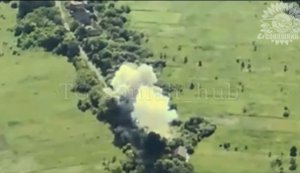
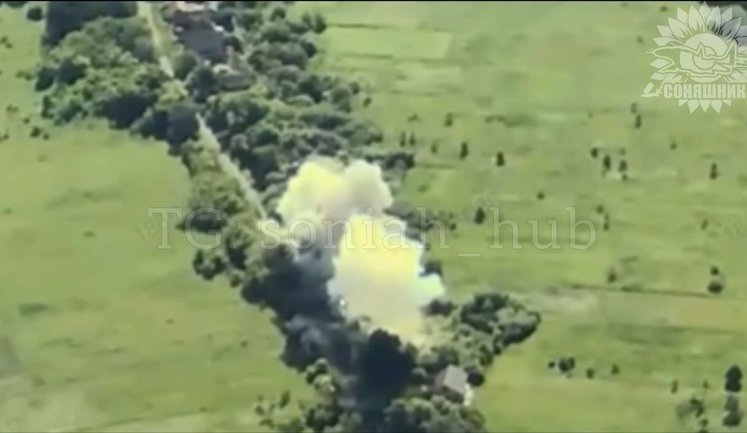
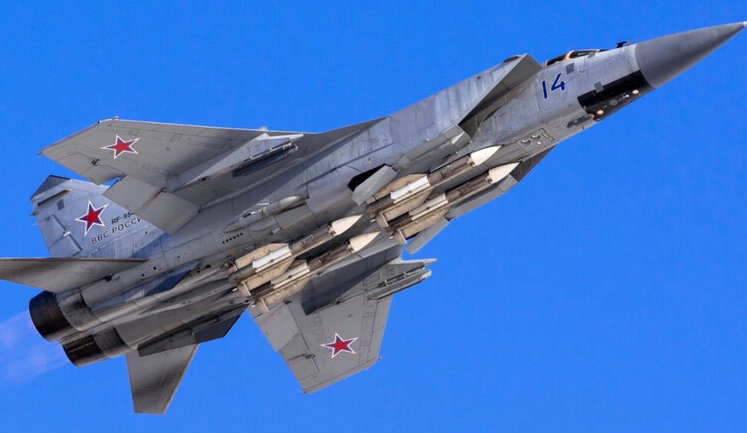
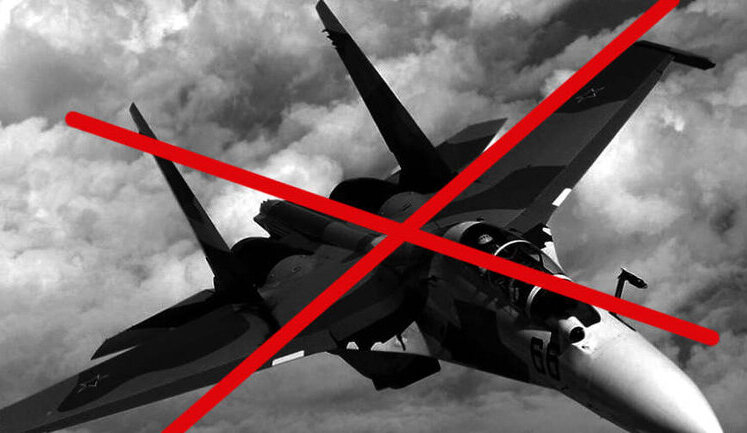
Ukrainian fighter pilots continue to make headlines with their targeted airstrikes against Russian military positions and assets. Recently, Su-27 fighter pilots destroyed a building housing ammunition and personnel, while another strike from MiG-29 jets eliminated Russian invaders at a stronghold. The Ukrainian Air Force's precision strikes on enemy fortifications and command posts showcase their effectiveness. Footage of these operations highlights the strategic use of aerial attacks to disrupt and dismantle Russian forces on the front lines. These actions not only demonstrate advanced aviation tactics but also solidify Ukraine's resolve in utilizing fighter jets, such as the F-16 and MiG-29, in their defensive efforts.
How effective are Ukrainian fighter jets in current military operations?
Ukrainian fighter jets, such as the Su-27 and MiG-29, have proven highly effective in recent military operations against Russian forces. They have successfully carried out precision strikes on enemy command posts, ammunition depots, and personnel concentrations. These operations not only hamper enemy logistics and morale but also demonstrate Ukraine's enhanced aerial capabilities and strategic acumen in utilizing advanced aircraft for defense and counterattacks.
What types of fighter jets are currently used by Ukraine's Air Force?
Ukraine's Air Force is currently utilizing a variety of fighter jets, including the Su-27, MiG-29, and F-16. These aircraft play a crucial role in conducting airstrikes against enemy positions and defending Ukrainian territory. Additionally, Ukraine has made significant progress in acquiring modern fighter jets, such as the Gripen from Sweden, to further bolster its air defense capabilities and ensure a robust response to ongoing threats from Russian forces.
What recent accomplishments have Ukrainian fighter pilots achieved?
Recently, Ukrainian fighter pilots have achieved significant accomplishments by successfully targeting and destroying key Russian military assets. Noteworthy missions include the destruction of command posts, ammunition stockpiles, and troop concentrations. Additionally, these pilots have intercepted enemy drones and missiles, showcasing exceptional skill and precision in aerial combat operations. Their actions are vital in disrupting and degrading Russian military capabilities and contribute to the defense and security of Ukraine.
Are there any recent developments in the acquisition of new fighter jets for Ukraine?
Yes, there have been notable developments in the acquisition of new fighter jets for Ukraine. The country is set to receive Gripen fighter jets from Sweden, which will enhance its air capabilities alongside additional deliveries of F-16 and Mirage jets from international allies. These acquisitions are part of ongoing efforts to modernize and strengthen Ukraine's Air Force, ensuring greater efficiency and effectiveness in defending against adversaries and maintaining air superiority.
What impact do Ukrainian fighter jet operations have on Russian military activities?
The operations of Ukrainian fighter jets have a substantial impact on Russian military activities. Through well-coordinated airstrikes, Ukrainian pilots disrupt enemy logistics and dismantle fortified positions, significantly degrading Russian operational capabilities. These actions limit the movement and efficacy of Russian troops, creating strategic advantages for Ukrainian forces. By leveraging their air power effectively, Ukraine continues to challenge Russian advances and successfully protect national sovereignty and security in the face of ongoing conflict.
How does the Ukrainian Air Force utilize its fighter jets strategically?
The Ukrainian Air Force strategically utilizes its fighter jets to conduct precise airstrikes on critical enemy targets, including command posts, fortifications, and military convoys. By doing so, they effectively disrupt Russian operations and supply chains while minimizing collateral damage. The employment of advanced tactics and technology ensures superior situational awareness and decision-making, allowing Ukrainian forces to maintain a tactical edge over their adversaries. This strategic application of air power plays a pivotal role in safeguarding Ukraine and contributing to the broader defense efforts.