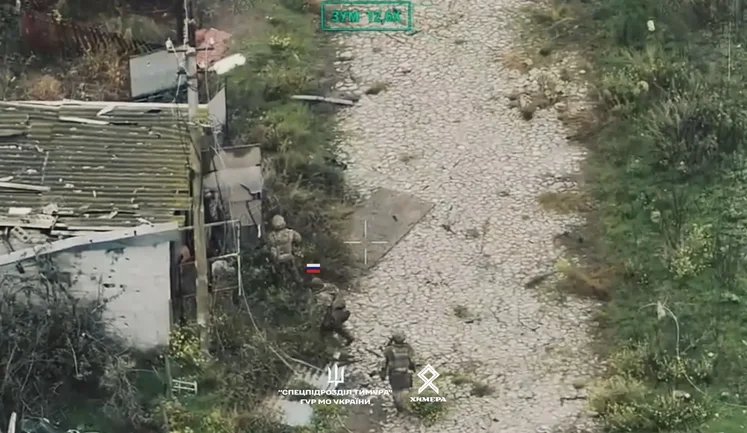
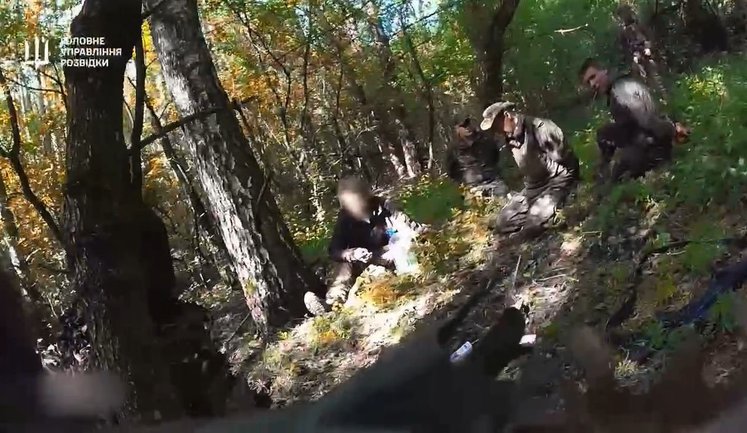
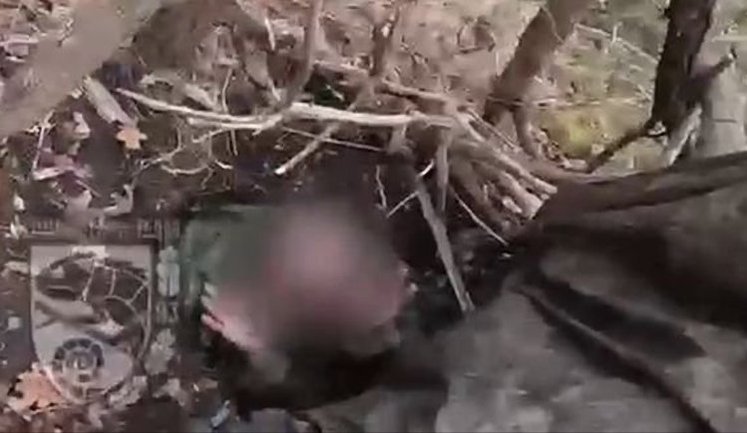
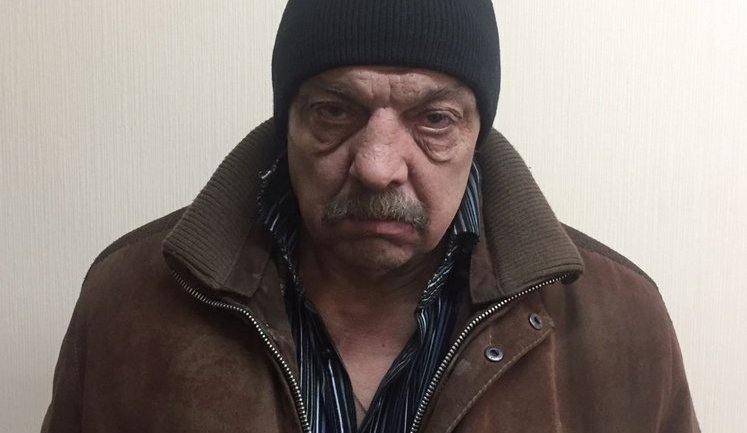
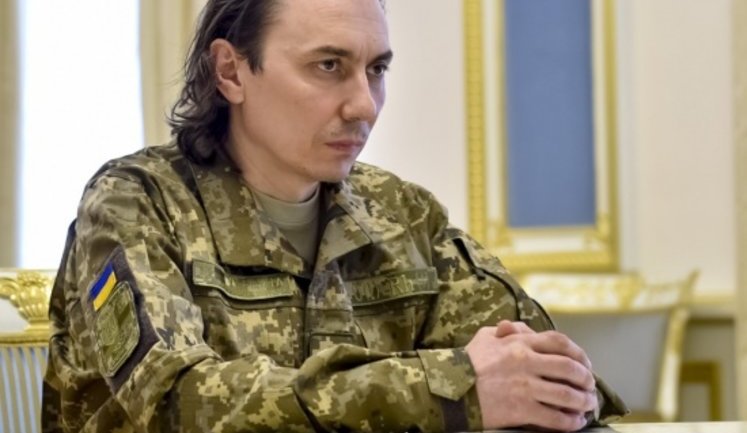
Recent military operations in Ukraine have resulted in the capture of numerous Russian soldiers. Special Operations Forces have been pivotal in these successes, conducting raids and ambushes to detain enemy combatants. These strategic maneuvers not only disrupt Russian advances but also bring critical intelligence into Ukrainian hands. The capturing of the Russian personnel is an ongoing element of the conflict, reflecting the dynamic and tactical nature of modern warfare. As Ukraine secures more prisoners, it strengthens its position both on the battlefield and in diplomatic engagements concerning captives and potential exchanges.
How do Ukrainian forces capture Russian soldiers?
Ukrainian forces use a combination of ambushes, surprise raids, and coordinated assaults to capture Russian soldiers. Special Operations Forces play a crucial role in executing these operations, often infiltrating enemy lines swiftly and capturing soldiers without excessive violence, reflecting their strategic acumen and tactical precision.
What happens to Russian soldiers once they are captured by Ukraine?
Once captured, Russian soldiers are typically processed according to international law regarding prisoners of war. They may provide valuable intelligence and may be exchanged in future negotiations. The treatment of captives adheres to the Geneva Conventions, ensuring humane conditions until any potential exchange or resolution.
How does the capture of soldiers impact the conflict in Ukraine?
The capture of soldiers impacts the conflict by temporarily weakening enemy forces and boosting Ukrainian morale. It provides Ukraine with negotiation leverage for prisoner exchanges, disrupts enemy plans, and allows for the gathering of intelligence that can further assist in tactical and strategic planning against opposing operations.
Have there been any high-profile prisoner exchanges recently?
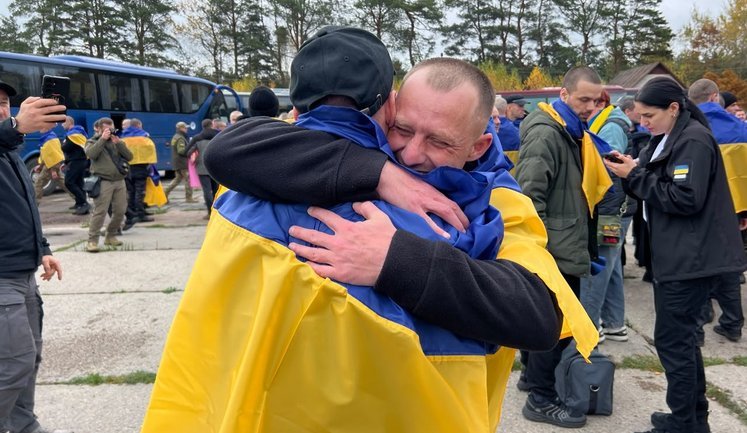
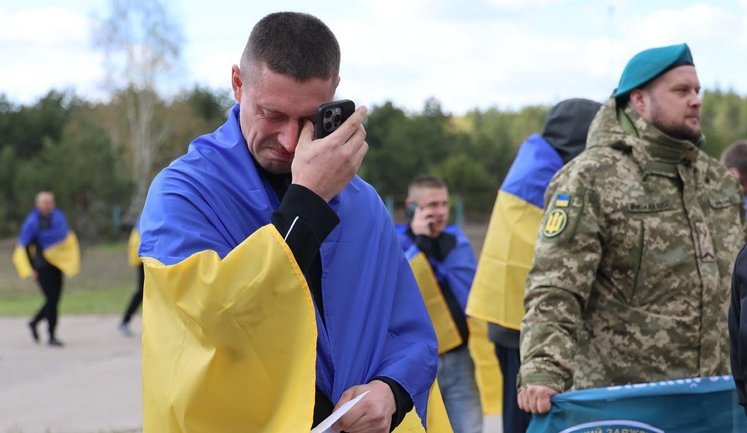
Yes, Ukraine continues to engage in prisoner exchanges as part of diplomatic negotiations. These exchanges often involve the return of Ukrainian soldiers or civilians held captive in exchange for Russian military personnel. Such activities not only relieve the anxiety of families of captives but also serve as political and humanitarian gestures between conflicting parties.
What are the typical conditions for soldiers in captivity?
Soldiers in captivity are typically held under conditions governed by international humanitarian law, including the Geneva Conventions. They are provided with basic needs such as food, water, and medical care. Any claims of mistreatment are taken seriously, with oversight from international bodies to ensure compliance with humane standards.
How does Ukraine's capture strategy affect international perception?
Ukraine's capture strategy, focusing on adherence to international law and humane treatment, tends to enhance its international reputation. It showcases commitment to lawful conduct even during conflict, earning support and credibility on the global stage. This approach aligns with efforts to garner international support and foster alliances.