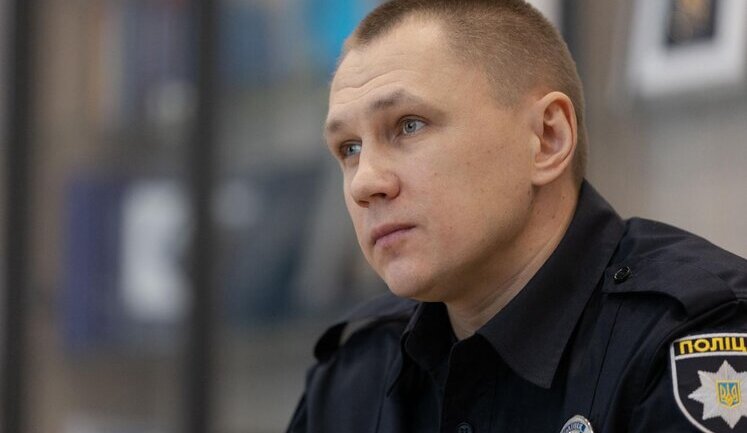
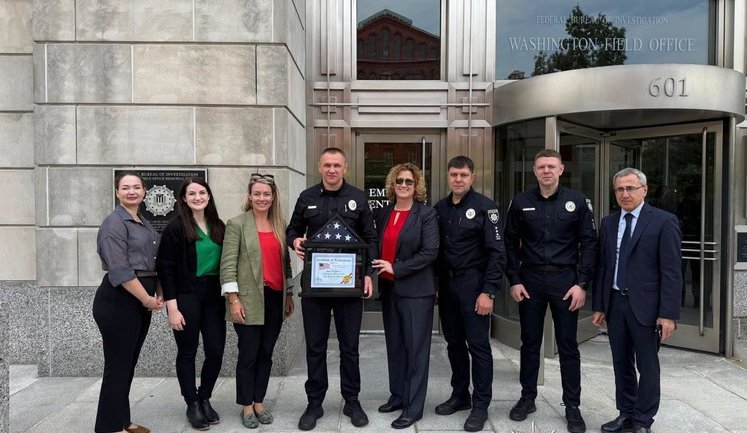
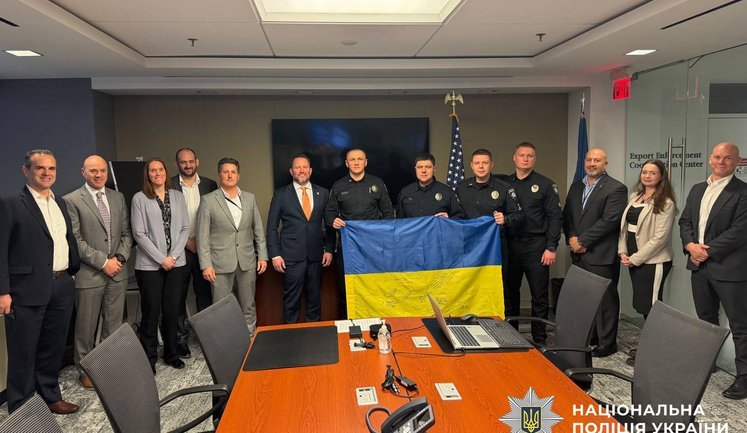
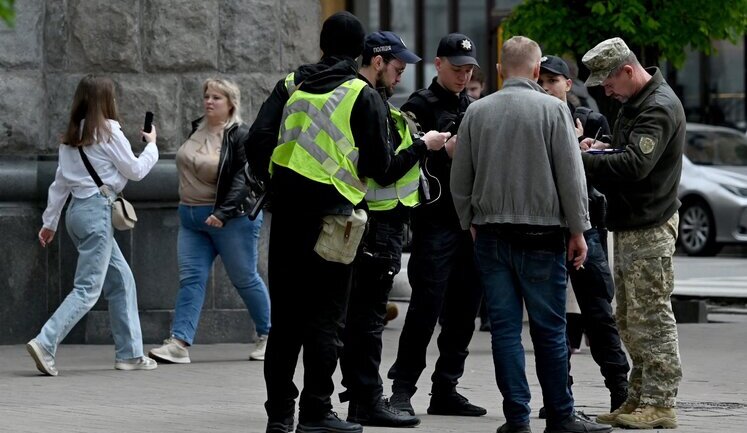
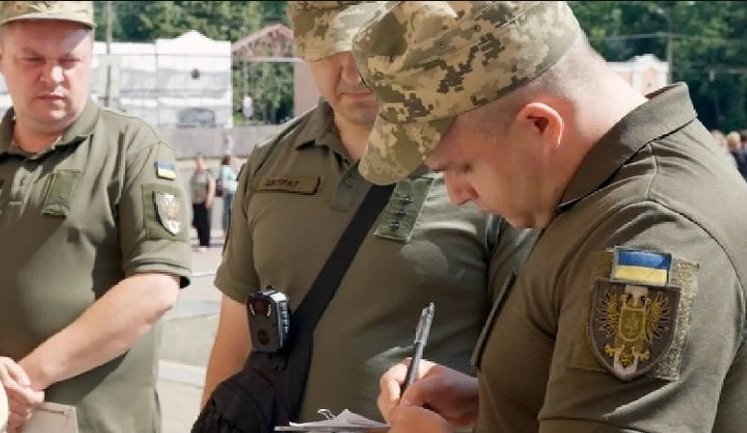
Maksym Tsutskiridze has played a pivotal role in enhancing Ukraine's national security. As the acting head of the National Police, Tsutskiridze has been instrumental in combating abuses within the TCR system, with 76 officials facing charges for evasion of mobilisation. Under his leadership, the police have also addressed misconduct in energy resource provisions, aiming to improve public utilities ahead of the heating season. His collaboration with international bodies, including the FBI and the US State Department, highlights his commitment to addressing hybrid threats and war crimes. Tsutskiridze's efforts ensure the accountability of unlawful actions, both domestically and abroad, marking significant progress in Ukraine's fight against corruption and external aggression.
What actions has Maksym Tsutskiridze taken against mobilisation evasion?
Maksym Tsutskiridze has overseen investigations that resulted in 76 charges against TCR officials to prevent evasion of mobilisation. His efforts ensure the legitimacy of deferrals and enhance accountability in military mobilisation processes, addressing systemic issues in the TCR system.
How is Maksym Tsutskiridze tackling misconduct in winter preparations?
Tsutskiridze has referred nearly 90% of misconduct cases regarding winter preparation resources to court. This proactive approach demonstrates his commitment to transparency and efficiency in public utilities, aiming to mitigate issues before the heating season.
In what capacity does Maksym Tsutskiridze serve in the National Police?
Maksym Tsutskiridze is currently serving as the acting head of the National Police of Ukraine. In this role, he leads initiatives against internal abuses and collaborates with international partners to enhance Ukraine's security and law enforcement capabilities.
What international collaborations has Maksym Tsutskiridze been involved in?
Maksym Tsutskiridze has engaged with the FBI, US State Department, and Congress on matters of war crimes and hybrid threats. His efforts emphasize the global dimension of security challenges and foster international cooperation to counteract common threats effectively.
How is Russia targeting vulnerable populations according to Tsutskiridze?
Tsutskiridze highlighted Russia's recruitment of socially vulnerable individuals in Western countries to engage in subversive or terrorist activities. This recruitment model parallels tactics used in Ukraine, exacerbating global security concerns and requiring international vigilance.