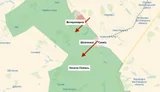
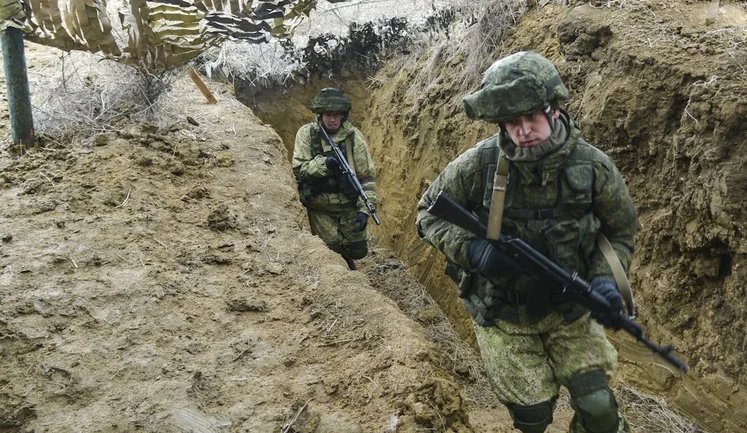
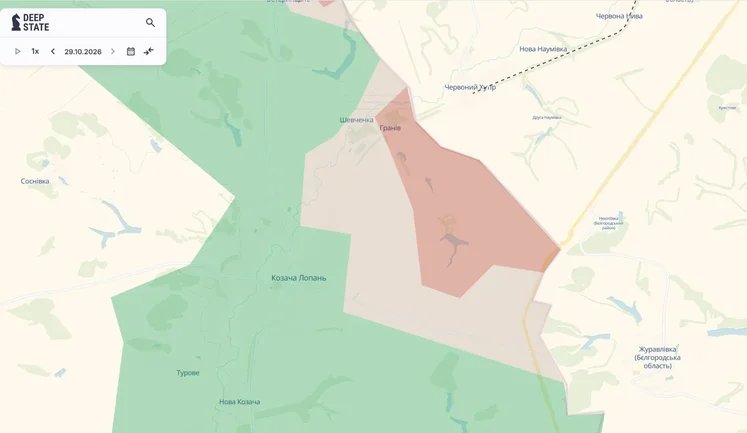
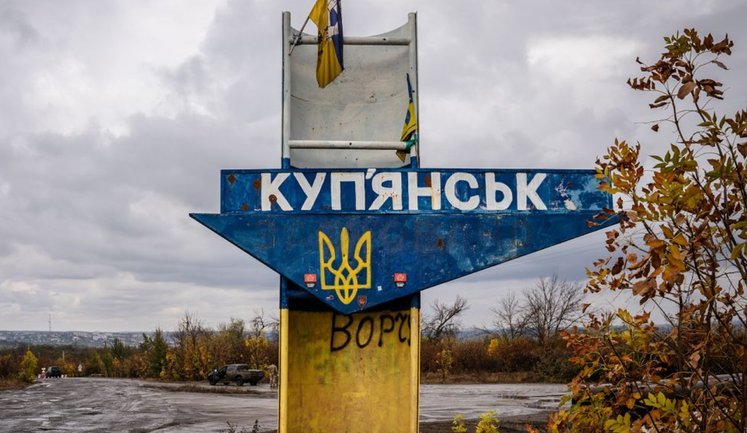
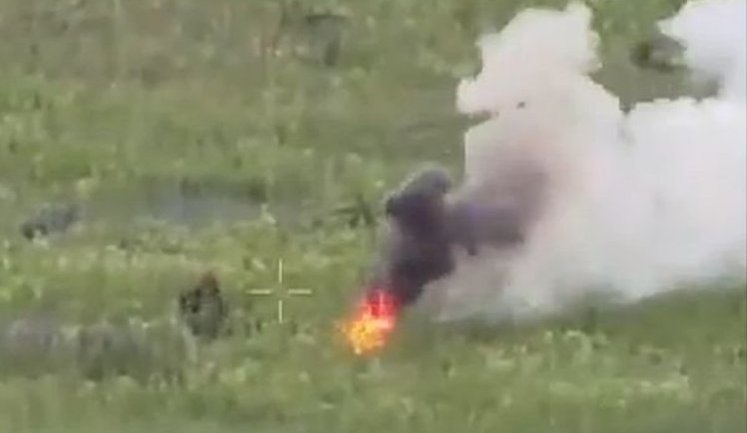
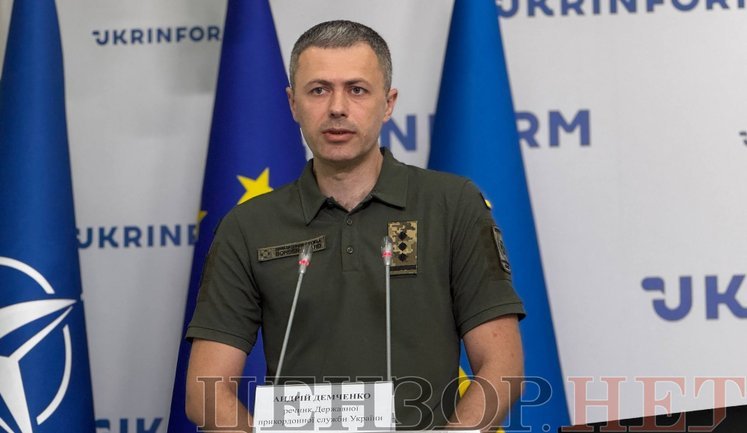
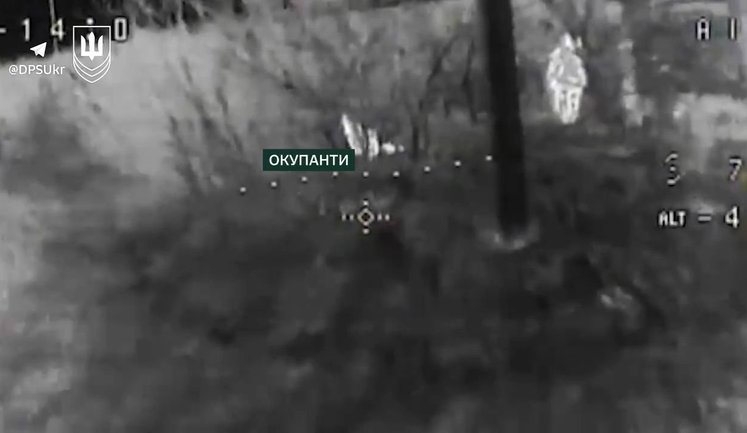
The Kharkiv region has become a focal point of hostilities, with Russian forces intensifying their attempts to advance in areas close to the border, particularly in the Vovchansk and Vilkhovets communities. According to the State Border Guard Service, these sectors are targeted daily. Russian troops are actively deploying infantry units and attempting to expand their control zone. However, the Ukrainian Defense Forces are steadfast in their resistance, thwarting advances and holding strategic positions in the Kharkiv region. Despite significant military pressure, recent Ukrainian military reports highlight a decrease in assaults' intensity near Velykyi Burluk but note active engagements in Kupiansk and other border areas. The resilience of Ukraine's Armed Forces has been pivotal in maintaining control and preventing enemy infiltration. Hostilities remain concentrated in the Vovchansk, Kupiansk, and Lyman sectors, with ongoing threats to Kharkiv's stability.
What is the current military situation in Kharkiv region?
The Kharkiv region is heavily contested, with Russian forces making daily attempts to advance within the Vovchansk and Vilkhovets communities. They aim to expand their control, particularly through deploying infantry units to infiltrate Ukrainian territory. Ukrainian Defense Forces are actively engaged in repelling these advances, maintaining a defensive stance despite continuous pressure. The situation is dynamic, with fluctuating military engagements in border areas like Kupiansk and Lyman.
How are Ukrainian forces responding to Russian advances?
Ukrainian forces are responding robustly to the Russian advances in the Kharkiv region. They have successfully thwarted infantry infiltrations and assaults, notably by utilizing reconnaissance and drone technology to detect and neutralize threats. Despite the intense military pressure, Ukrainian troops have demonstrated resilience, holding strategic positions and inflicting heavy losses on Russian forces. The defense strategy includes fortifying key areas and executing tactical operations to prevent any territorial gains by the occupiers.
Which areas in Kharkiv region are most affected by hostilities?
The Vovchansk, Vilkhovets, and Kupiansk sectors in the Kharkiv region are particularly affected by hostilities. Russian forces have concentrated efforts to advance in these areas, frequently engaging in combat to secure a strategic advantage. Additional active zones include Lyman and along the border with Russia. The conflict has resulted in significant disruption and challenges for both the military and civilian infrastructure in these regions.
Are there any reports of reduced combat activity in Kharkiv?
Yes, recent reports indicate a slight reduction in combat activity in certain areas of the Kharkiv region, particularly around Velykyi Burluk. However, this decrease is accompanied by ongoing significant pressure in other sections, such as the Kupiansk area, where the intensity of assaults has been noted to fluctuate. Russian forces continue to aim for strategic penetration along the border, maintaining military engagements to achieve their objectives.
What tactics are Russian forces employing in the Kharkiv region?
Russian forces in the Kharkiv region are employing a variety of tactics, including deploying small infantry groups to infiltrate Ukrainian defense lines and using covert movements to attempt territorial expansion. These tactics are supported by artillery and drone operations aimed at destabilizing Ukrainian forces. Despite their efforts, these strategies have faced resistance from the Ukrainian military, who counteract with reconnaissance, targeted airstrikes, and defensive maneuvers to block and diminish Russian advances.