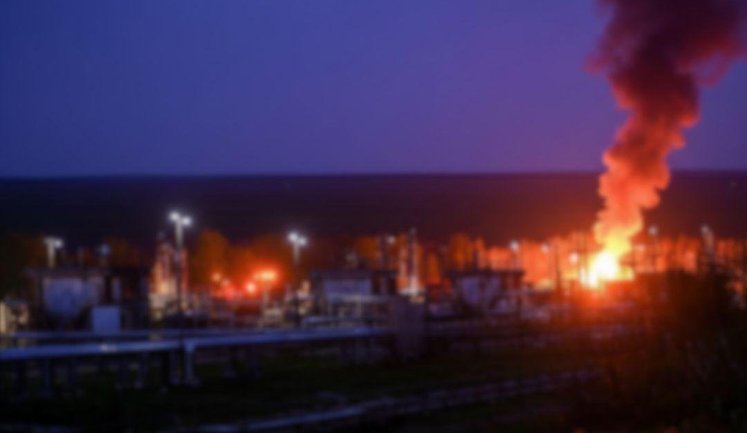
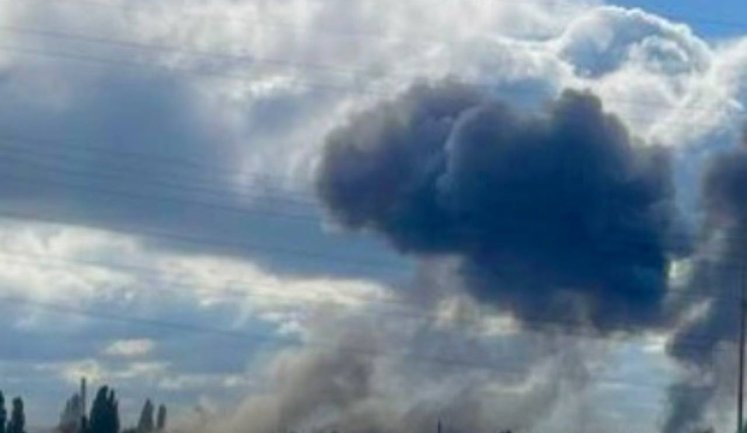
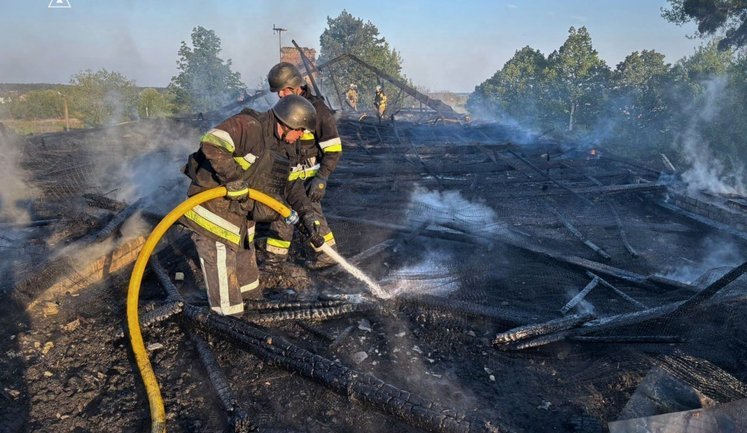
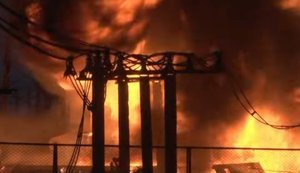
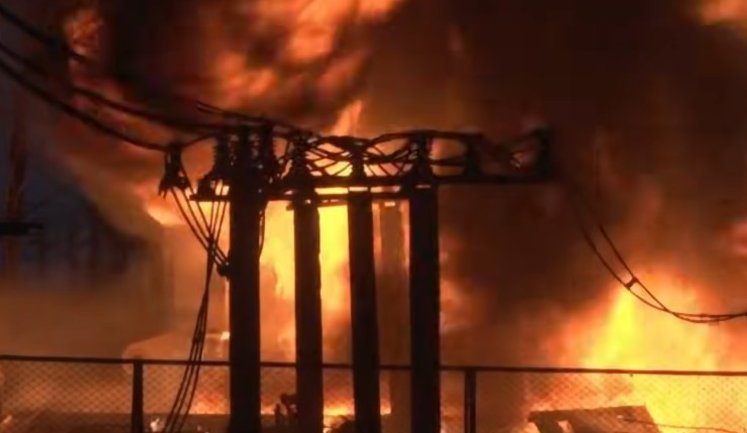
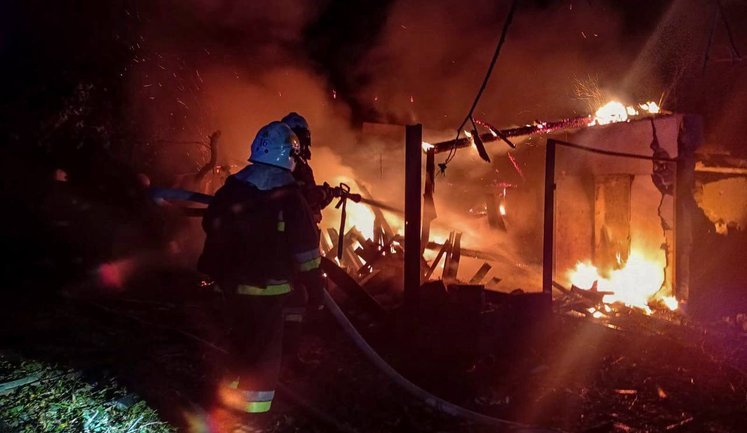
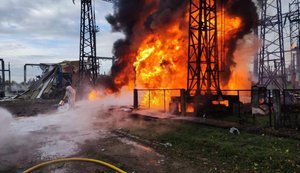
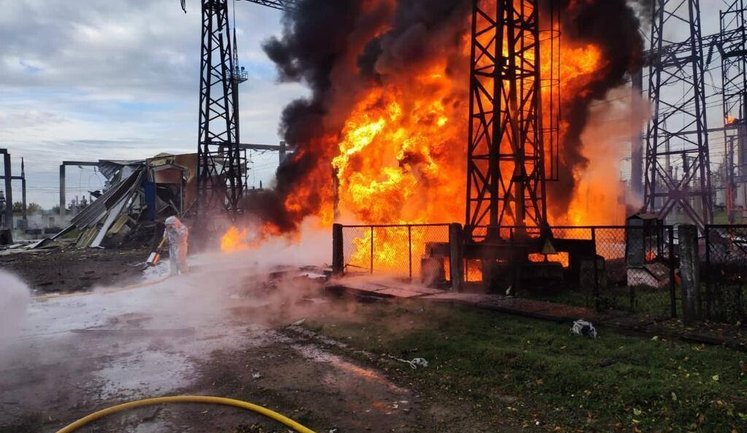
In recent developments, Russian military forces have intensified their assault on Ukraine's critical gas and energy infrastructure. A recent attack in the Sumy region damaged a gas pipeline in Velyka Pysarivka, leaving several customers without gas supply. The city of Konotop also suffered infrastructure damage following similar attacks. Meanwhile, Naftogaz Group facilities in the Poltava region have faced consistent bombardment, resulting in operational halts and even casualties among the workforce. These orchestrated assaults aim to destabilize Ukraine's energy supply as winter approaches. Experts warn of potential gas shortages and increased tariffs, affecting citizens' daily lives and economic stability. The EU has called for strengthened energy support to help Ukraine navigate through these unprecedented challenges.
What regions in Ukraine have been affected by the shelling of gas infrastructure?
The shelling has affected various regions including Sumy, Poltava, Kharkiv, Chernihiv, and southern Ukraine. In Sumy, gas supplies were disrupted in Velyka Pysarivka and Konotop. Poltava's Naftogaz facilities have seen repeated attacks. Similar incidents have been reported in the Kharkiv, Chernihiv, and southern regions, causing widespread damage to energy and gas infrastructure.
How has the shelling affected Naftogaz operations in Ukraine?
Naftogaz operations have been severely impacted, with facilities in Poltava, Sumy, and Kharkiv coming under persistent attack. These assaults have led to halts in gas production, critical damage to infrastructure, and even worker casualties. The repeated targeting of these facilities jeopardizes Ukraine's energy stability, especially as winter nears.
What are the potential consequences for Ukraine's energy supply due to these attacks?
The ongoing attacks threaten Ukraine's energy supply, potentially leading to gas shortages and increased energy tariffs. The damage to production and transport facilities forces Ukraine to consider importing additional gas, which may stress the economy further. These vulnerabilities emphasize the need for energy support from international partners.
What measures are being taken to address the damage from the shelling?
Ukrainian authorities, along with international partners, are working to repair the damaged infrastructure and ensure a stable energy supply. The Ministry of Energy has highlighted the diligent work of energy workers in restoring services. Additionally, political pressure is being put on the international community to provide aid and support for reconstructive efforts.
How is the international community responding to the attacks on Ukraine’s infrastructure?
The international community, including the European Union and individual countries, has expressed concern over Russia's actions. Calls for increased support for Ukraine's energy sector have been made. The EU Ambassador emphasized preparedness for energy distribution, while other nations discuss possible sanctions and humanitarian assistance to cope with the crisis.
What challenges does Ukraine face regarding its gas import strategy?
Ukraine faces significant challenges in adjusting its gas import strategy due to ongoing infrastructure attacks. Considering increased reliance on imported gas could hike tariffs, burdening consumers. Ukraine is also navigating diplomatic channels to secure stable and cost-effective gas supplies amidst geopolitical tensions.
Why are Russian forces targeting Ukraine's energy and gas infrastructure?
Russian strategy appears to be aimed at destabilizing Ukraine by crippling its energy and gas supply chains. Such attacks aim to undermine economic stability and morale, particularly ahead of the cold winter months. By targeting crucial supply lines, Russia increases psychological and humanitarian pressure on the Ukrainian population.
What is Ukraine's response to mitigate the attack's effects on civilians?
Ukraine is actively working to mitigate the effects through fast-tracking repairs, securing alternative energy sources, and seeking international aid. Efforts to strengthen infrastructure resilience and maintain energy supplies during critical winter months are prioritized to protect civilians from the fallout of these strategic assaults.
How does the targeting of energy infrastructure impact Ukraine's economy?
Targeting energy infrastructure has a profound impact on Ukraine's economy by increasing energy costs and straining budgeting frameworks. The disruption in energy supply leads to operational challenges across industrial sectors, hindering productivity and economic growth. It also prompts inflationary pressures affecting both businesses and households.