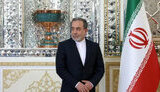
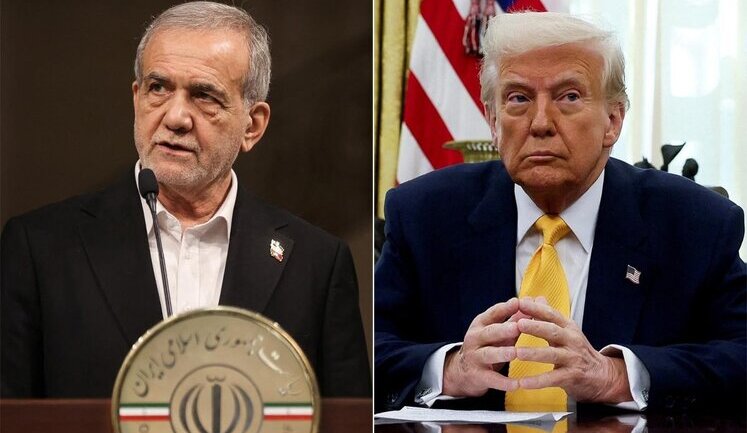
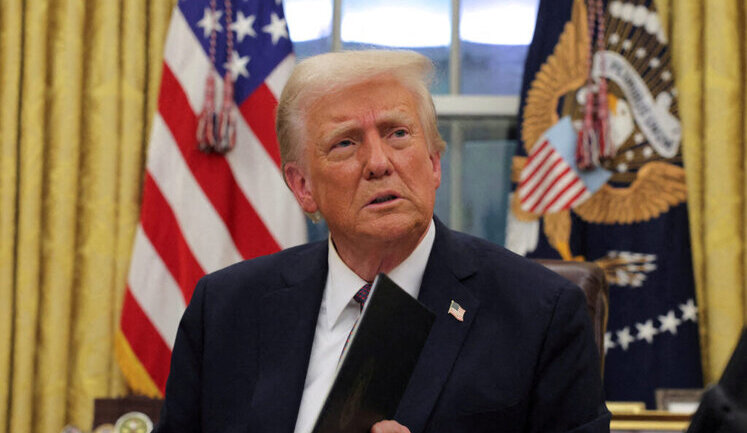
The US-Iran nuclear deal remains a significant geopolitical issue. Talks between the two nations have seen proposals and rejections, with the US offering $30 billion to reintegrate Iran into nuclear negotiations. However, Iran rejected US President Trump's proposal to resume talks, indicating a resistance to direct negotiations. Trump's two-week deadline for reaching an agreement adds urgency and underscores the complexities of these negotiations. While Iran considers interim solutions, upcoming rounds in locations like Rome and Oman face uncertainty, revealing the strategic balancing act faced by both nations in addressing nuclear development and international economic sanctions.
What are the main issues in the US-Iran nuclear negotiations?
The negotiations center around limitations on Iran's nuclear program in exchange for easing sanctions. Key issues include Iran's uranium enrichment rights and US financial incentives. Both nations are wary of direct talks, complicating the dialogue process.
Why did Iran reject Trump’s proposal for nuclear talks?
Iran's Supreme Leader Ayatollah Ali Khamenei rejected the proposal, citing distrust in US intentions and opposition to direct negotiations without subject changes. The Iranian leadership views US pressure tactics, such as deadlines, with skepticism, hindering diplomatic progress.
What financial incentives is the US offering Iran in the deal?
As part of efforts to bring Iran back to the negotiating table, the US has reportedly considered offering $30 billion investment incentives. This economic engagement aims to reform Iran's nuclear intentions through financial integration and easing of sanctions.
Why is the US using a two-week deadline for the nuclear deal?
The US set a two-week deadline to create urgency and push Iran towards a quick resolution. However, this strategy is debatable, as additional pressure might not yield substantial progress due to Iran’s skepticism and strategic cautiousness about US motives.
What are Iran’s conditions for resuming nuclear negotiations?
Iran demands respect for its right to enrich uranium and resists direct talks with the US under current conditions. Tehran seeks a comprehensive and respectful approach, free from coercive deadlines and threats, which it perceives as undermining diplomatic efforts.
Where are the upcoming rounds of US-Iran nuclear talks taking place?
The fourth round of talks is occurring in Oman, a consistent venue due to its mediating capabilities. Future negotiations are also planned in Rome, following Italy's willingness to host, indicating international interest in resolving the US-Iran nuclear crisis peacefully.
Is Iran willing to propose any interim deals to the US?
Yes, Iran has indicated interest in proposing temporary agreements that might serve as a bridge towards a comprehensive deal. This approach seeks to build trust incrementally while ensuring progress is made without committing fully to a long-term agreement immediately.
What influence does Russia have in the US-Iran nuclear talks?
Russia emerges as a potential third party in the talks, with discussions about transferring Iran’s uranium reserves to Russian control. This concept might assure global stakeholders of Iran's compliance and facilitate negotiation progress, although complex diplomatic implications remain.