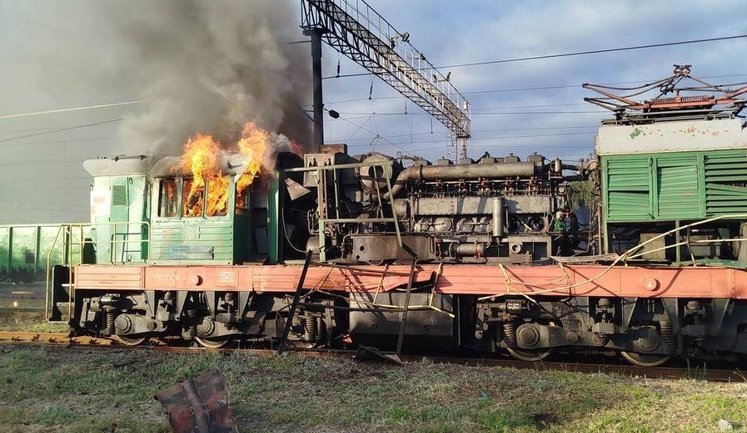
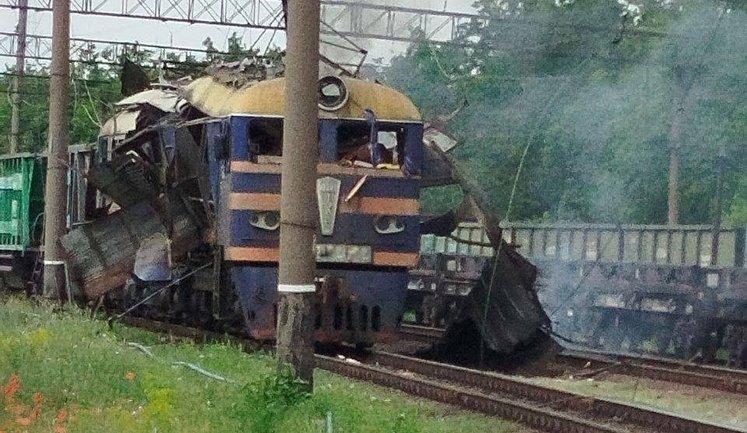
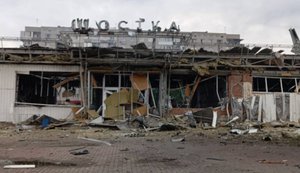
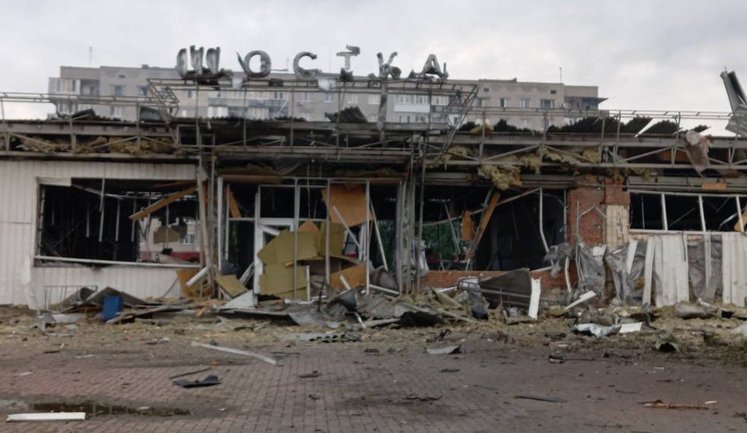
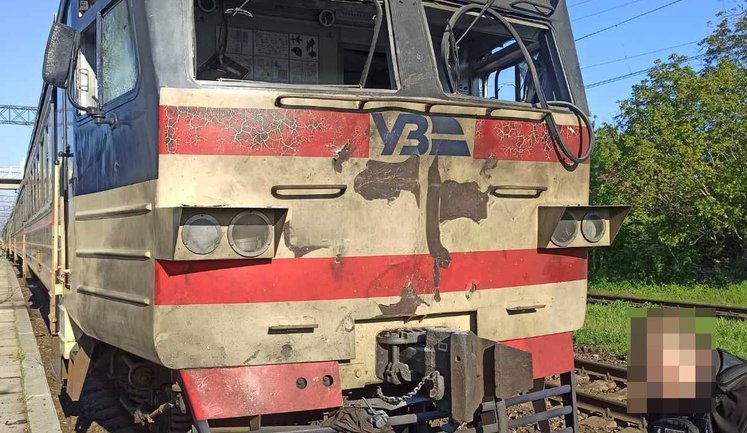
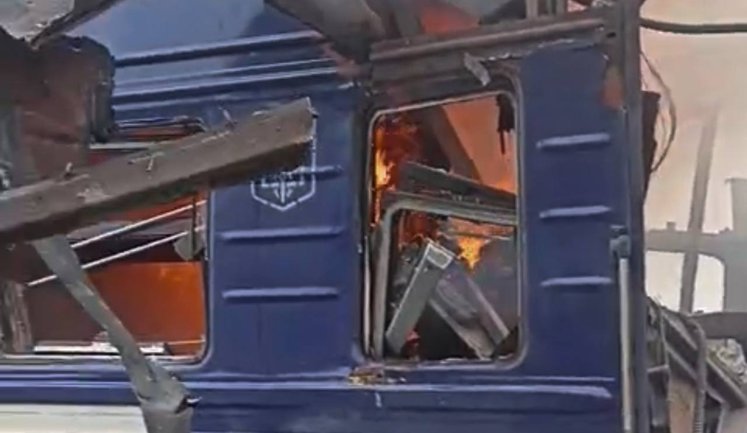
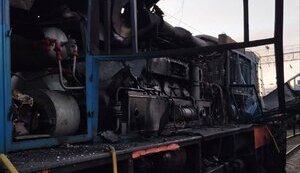
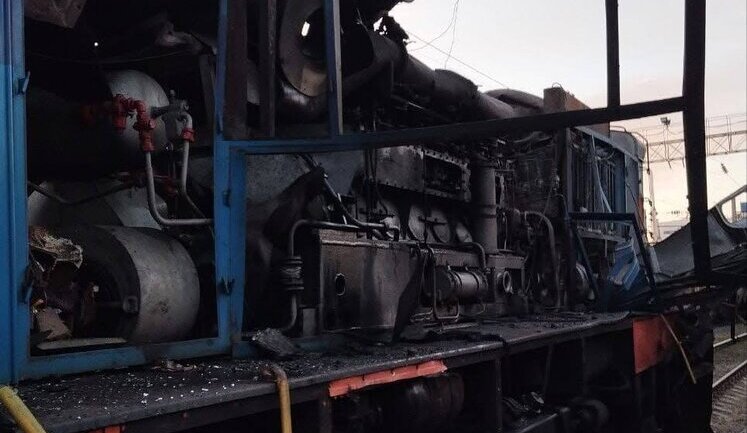
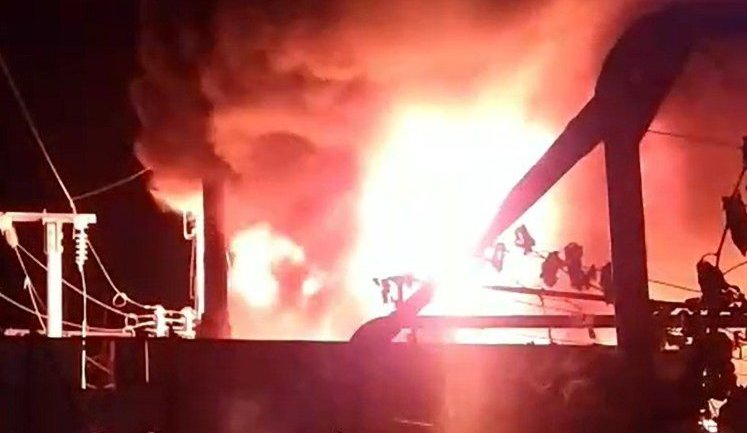
Russia's targeted attacks on Ukrzaliznytsia facilities have escalated significantly, with over 40 strikes reported since March. Key railway infrastructure in regions like Kharkiv, Dnipropetrovsk, and Donetsk have suffered severe damage due to continuous shelling. This has resulted in injuries, casualties, and considerable disruption to train services across the country. Ukrzaliznytsia has implemented measures to protect operations, like integrating systems with military control to counter drone threats. However, logistical challenges persist, affecting passenger and freight movements. Restorative efforts are underway, but consistent bombardments hinder sustainable improvements.
What regions in Ukraine are affected by the shelling of railway facilities?
Regions such as Kharkiv, Dnipropetrovsk, Donetsk, Sumy, and Odesa have been heavily affected by shelling aimed at Ukrzaliznytsia infrastructures. These regions face extensive damage, causing logistical disruptions and injuries to railway personnel.
How is Ukrzaliznytsia responding to the ongoing shelling?
Ukrzaliznytsia has adopted strategies to minimize risks, such as aligning with military airspace systems to adjust train operations in real-time counter to drone pathways. Restoration efforts are active but face continual setbacks from new attacks, which impede complete recovery.
What are the main targets of the Russian shelling on Ukrainian railways?
The Russian attacks are primarily focused on rolling stock and critical railway infrastructures, including depots, stations, and tracks. These strikes severely affect the logistical framework of train operations across key regions like Kharkiv and Dnipropetrovsk.
What are some consequences of the intensified attacks on railway facilities in Ukraine?
Key consequences include delayed train schedules, rerouted services, and significant damages to infrastructure. The attacks also pose serious threats to railway workers, leading to casualties and injuries, and complicate the transportation of military and civilian goods.
How does the ongoing conflict impact the safety of railway workers in Ukraine?
Railway workers are at high risk due to proximity to the targeted infrastructures, leading to injuries and fatalities in some attacks. Continuous shelling has created a hazardous work environment, necessitating urgent protective and response measures to safeguard personnel.
What measures are in place to restore and maintain railway operations in affected regions?
Ukrzaliznytsia works tirelessly to repair damaged tracks and facilities while ensuring continuity of train services. Real-time operational adjustments, coupled with enhanced coordination with military systems, form the backbone of their strategy to maintain functionality amid ongoing threats.
How do these attacks affect Ukraine's rail logistics?
The persistent shelling disrupts not only passenger services but also freight logistics, which are crucial for both civilian supply chains and military operations. These disruptions hinder the efficient transportation of goods and people, contributing to broader economic and operational challenges.
What is the long-term outlook for Ukrzaliznytsia amidst sustained attacks?
The long-term outlook remains uncertain due to ongoing hostilities. While Ukrzaliznytsia is dedicated to restoring normalcy in operations, continuous attacks pose significant hurdles, demanding persistent resilience and adaptive strategies to stabilize and sustain the railway network.
What support can international entities offer to assist Ukrzaliznytsia?
International support can focus on providing technical aid, financial assistance for repairs, and expertise in infrastructure resilience. Assistance with securing and rebuilding railway systems could enhance operational safety and sustainability amidst prevailing threats.
How does the shelling of railway facilities influence Ukraine's economic stability?
The attacks severely impact the country's logistics and supply chains, hindering economic activities and affecting trade. The disruption of railway services leads to delays and increased operational costs, which reverberate through various sectors of the Ukrainian economy.