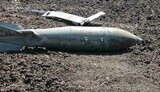
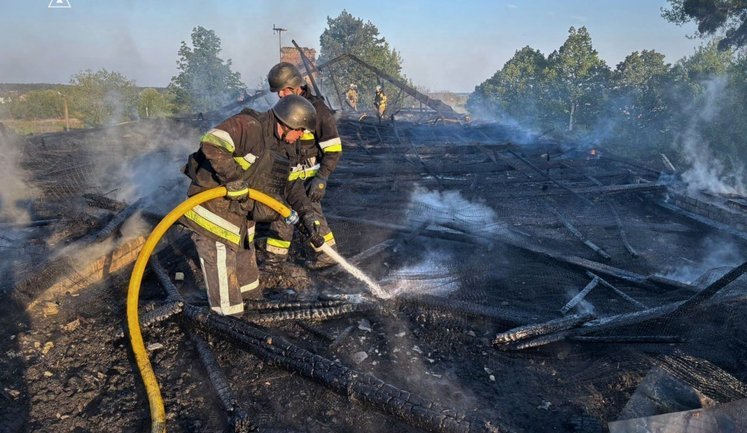
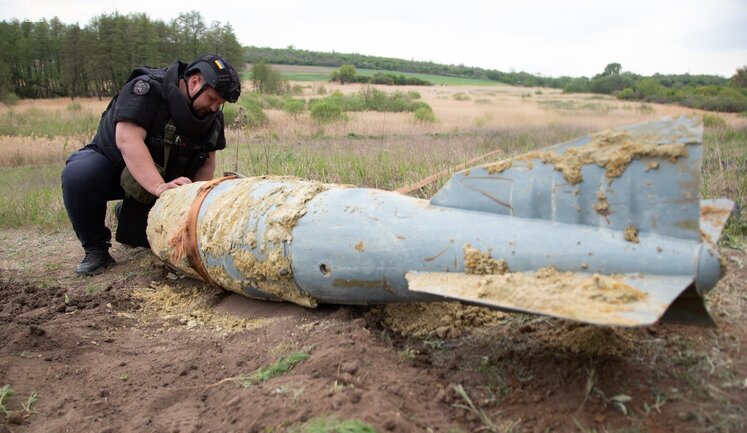
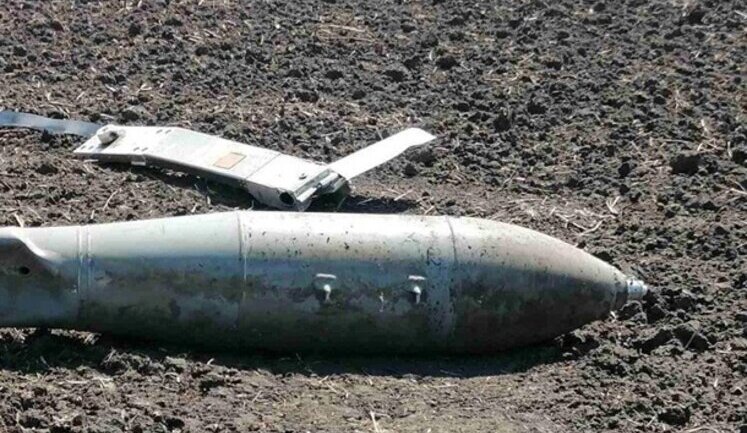
The recent surge in KAB shellings in Ukraine, notably in Kryvyi Rih and Odesa, underscores a critical escalation in hostilities. Russian forces have intensified their use of these guided aerial bombs, capable of striking targets over 150 kilometers away. Recent attacks on industrial enterprises in Kryvyi Rih resulted in injuries and significant damage. Meanwhile, Odesa region faced strikes with upgraded KABs, although air defenses managed to intercept some of these threats. The Russian military's move to mass-produce aerial bombs, such as the Grom-1 and Grom-2, with ranges up to 200 kilometers, further exacerbates the situation. This heightened aggression highlights the ongoing conflict's complexity and the urgent need for enhanced defensive measures to protect Ukrainian regions and civilians from further harm.
What is the impact of the KAB shellings on Ukrainian regions?
The impact of the KAB shellings on Ukrainian regions has been devastating, with increased destruction of infrastructure and injury to civilians. Cities like Kryvyi Rih and Odesa have faced significant damage due to these guided aerial bombs, underscoring the escalating threat and the need for effective air defense systems.
How have air defense systems responded to KAB threats in Ukraine?
Air defense systems in Ukraine have played a crucial role in intercepting KAB threats. In recent incidents, they have successfully shot down some of the guided aerial bombs launched towards regions like Odesa. However, the increasing number of strikes poses ongoing challenges that require further enhancements in defense capabilities.
What technological advancements have been reported in Russian KABs?
Russian KABs have seen technological advancements, with newer models like the Grom-1 and Grom-2 being produced. These bombs have an increased strike range of up to 200 kilometers and are equipped with standardized guidance modules, boosting their effectiveness in targeting Ukrainian regions.
What are the implications of Russia's mass production of aerial bombs?
The mass production of aerial bombs by Russia has significant implications for the conflict in Ukraine. It indicates a strategic focus on escalating airstrikes, increasing the frequency and lethality of attacks on Ukrainian territories. This development underscores the urgency for Ukraine to enhance its defensive strategies to counter these intensified threats.
How have recent KAB attacks affected civilian populations in Ukraine?
Civilian populations in Ukraine have been profoundly affected by recent KAB attacks, resulting in injuries and heightened fear of air raids. The targeting of both industrial sites and urban locations like residential areas has disrupted daily life, emphasizing the need for effective protection measures and humanitarian assistance to support affected communities.
What measures are being taken to neutralize unexploded KAB bombs in Ukraine?
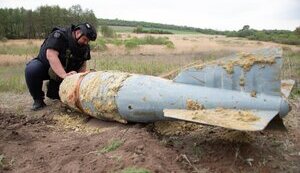
In addressing unexploded KAB bombs, Ukrainian forces, including the State Emergency Service, actively neutralize these dangers to ensure civilian safety. Specialized teams have been deployed in regions like Kharkiv to disarm undetonated bombs, reducing the risk of accidental explosions and mitigating potential casualties.
How has the frequency of KAB shellings in Ukraine changed recently?
The frequency of KAB shellings in Ukraine has noticeably increased, with more than 10,000 guided bombs reportedly dropped over a three-month period. This escalation reflects the ongoing tensions and complexity of the conflict, necessitating heightened vigilance and strategic planning for defense and civilian safety.
Why are air defenses in Ukraine crucial against KAB shellings?
Air defenses in Ukraine are crucial for mitigating the impact of KAB shellings, as they provide a line of protection by intercepting incoming guided bombs. These systems are essential to prevent infrastructure damage, minimize civilian casualties, and maintain a functional support network for resisting further aggression from Russian forces.
What regions in Ukraine have been most affected by the KAB shellings?
Regions such as Kryvyi Rih, Odesa, and Zaporizhzhia have been among the most affected by KAB shellings. The use of guided aerial bombs in these areas has targeted both industrial and civilian sites, causing damage to infrastructure and endangering lives, thus requiring urgent attention to strengthening regional defenses.
How is the Ukrainian government responding to increasing KAB threats?
The Ukrainian government is responding to increasing KAB threats by enhancing its defensive measures, seeking international support, and deploying additional resources to strengthen air defenses. Ongoing diplomatic efforts are also aimed at de-escalating the conflict while prioritizing the protection of civilian populations.