The National Anti-Corruption Bureau of Ukraine (NABU) faces mounting pressure amid a series of detentions, media attacks, and legal challenges. Recently, a NABU employee was detained by the Security Service of Ukraine (SSU) near Sumy, raising concerns about the integrity and independence of anti-corruption efforts. In February 2026 alone, over 300 publications targeted NABU and the Specialized Anti-Corruption Prosecutor’s Office (SAPO), stirring controversy regarding Ukraine's commitment to combating corruption. President Zelenskyy and European officials have voiced support for these institutions, yet legislative pressures persist. As NABU seeks restricted access to sensitive warrants, the pressure intensifies, sparking discussions about the future of Ukraine’s anti-corruption agencies.
What incidents have led to increased pressure on NABU?
The pressure on the National Anti-Corruption Bureau of Ukraine (NABU) has escalated due to various incidents, including the detention of its employees by the Security Service of Ukraine (SSU) and widespread media campaigns aimed at discrediting the bureau. Numerous publications and accusations made through Telegram channels have contributed to speculation about the bureau’s effectiveness and independence in Ukraine’s anti-corruption battle.
How has the SSU's involvement impacted NABU's operations?
The involvement of the Security Service of Ukraine (SSU) in the detention of NABU employees has raised concerns about NABU’s operational independence. These actions suggest increased scrutiny over NABU's investigations and potential political influences, challenging NABU’s autonomy in fulfilling its anti-corruption mandate. This situation strains the bureau’s efforts to conduct unbiased investigations, affecting public perception of its operations.
Why is the media targeting NABU and SAPO in Ukraine?
Media targeting of NABU and the Specialized Anti-Corruption Prosecutor’s Office (SAPO) arises from a coordinated effort to discredit these bodies. This media war, fueled by anonymous Telegram channels, seeks to undermine the legitimacy of anti-corruption efforts by spreading narratives that question the integrity and effectiveness of NABU and SAPO. Such attacks create public distrust and pose challenges to their operations in combating corruption in Ukraine.
What role does President Zelenskyy play in this situation?
President Volodymyr Zelenskyy has publicly supported anti-corruption institutions like NABU and SAPO amid growing pressures and accusations. However, his role is contentious, with some critics alleging political motives behind the legislative and political pressures facing these agencies. Zelenskyy’s position is complex as he balances supporting anti-corruption efforts and navigating political relations within Ukraine’s government structure.
What are the implications of draft law No. 12414 for NABU and SAPO?
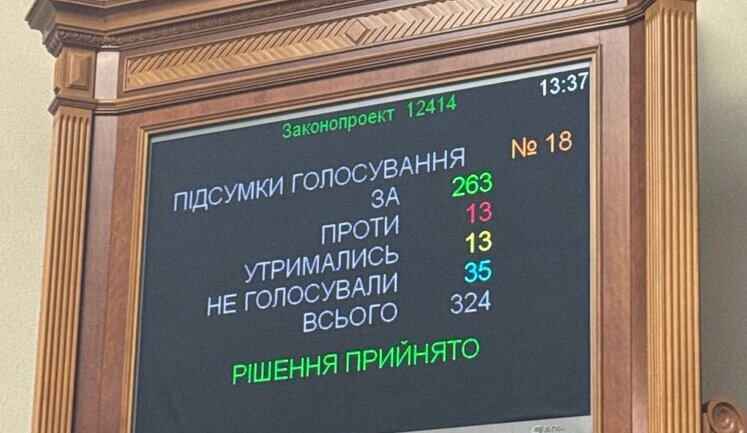
Draft law No. 12414 significantly impacts NABU and SAPO by threatening their independence. The law proposes subordinate control of these agencies to the Prosecutor General, thereby reducing their procedural autonomy in corruption investigations. This legislative change raises alarms about the future effectiveness of Ukraine’s anti-corruption framework and has been criticized by EU representatives and civil societies advocating for independent oversight.
What actions are being taken to protect NABU and SAPO's independence?
To protect their independence, NABU and SAPO have sought legal measures such as restricting access to certain court rulings, thus safeguarding sensitive investigations. International bodies, including European institutions and G7 ambassadors, have expressed concerns and advocated for maintaining the agencies’ autonomy. The Ukrainian government faces domestic and foreign pressure to ensure these anti-corruption bodies operate without undue influence, pivotal for the country's European integration aspirations.
How does the international community view Ukraine's anti-corruption efforts?
The international community, particularly the European Union and G7 countries, closely monitors Ukraine's anti-corruption efforts. They view independent institutions like NABU and SAPO as vital to maintaining rule of law and governance standards necessary for Ukraine's integration into Western organizations. Any perceived undermining of these entities sparks criticism and can impede Ukraine’s progress in European accession and other international collaborations.