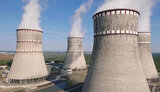
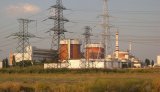
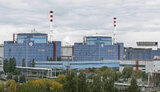
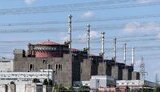
Ukraine's nuclear power plants have been central to recent events in the region amid escalating tensions. Power units at Rivne and Khmelnytskyi NPPs recently rejoined the grid post-maintenance, reflecting Energoatom’s ongoing efforts to ensure operational efficiency. However, IAEA's grave concerns surfaced after recording over 160 unauthorized UAV flights near key NPPs, posing significant security risks. The situation grew dire with reports from the Prosecutor General Kravchenko highlighting deliberate Russian attacks on the Chornobyl sarcophagus, suggesting intentional destabilization. Despite such adversities, Ukraine's nuclear capabilities remain robust, having restored over 90% capacity post-strike damage. In an ambitious move, Ukraine is contemplating small reactors to replace coal plants, aiming for sustainable, secure energy. Meanwhile, the looming fuel crisis in occupied territories threatens to compromise safety at Zaporizhzhia NPP, necessitating immediate intervention.
What is the current status of nuclear power plants in Ukraine?
The current status of nuclear power plants in Ukraine is focused on returning to full operational capacity. Power units at Rivne and Khmelnytskyi NPPs have resumed operations following scheduled maintenance. While Energoatom has made progress, challenges persist due to external threats such as UAV flights and military conflicts that pose risks to the plants' security and efficiency.
What security concerns have arisen at Ukrainian NPPs?
Security concerns at Ukrainian NPPs have escalated due to multiple incidents. Over 160 unauthorized UAV flights were recorded near key plants, raising alarms about potential threats. Additionally, a deliberate attack on the Chornobyl sarcophagus by Russian forces highlighted vulnerabilities. These actions have prompted increased IAEA involvement to safeguard nuclear infrastructure.
How has Ukraine responded to the reduced power capacity at nuclear plants?
Ukraine has effectively managed the reduced power capacity at its nuclear plants following Russian military strikes. Although significant disruptions were caused, Energoatom announced a remarkable recovery with over 90% capacity restored. The International Atomic Energy Agency has expanded its oversight to prevent further setbacks and bolster plant security.
What developments are occurring in the Ukrainian nuclear energy sector?
The Ukrainian nuclear energy sector is moving forward with strategic advancements aimed at both recovery and innovation. Amid challenges, efforts are being made to implement small nuclear reactors to replace dated coal-fired power infrastructure. This approach aligns with national sustainability goals and the Ministry of Energy's vision for future energy independence.
What impact has the fuel crisis had on Zaporizhzhia NPP operations?
The fuel crisis in occupied territories has critically impacted operations at the Zaporizhzhia NPP, where cooling systems powered by diesel generators face threats due to fuel shortages. These operational challenges present safety risks that need immediate addressing to prevent potential failures, driving the National Resistance Centre to advocate for swift intervention and resource allocation.