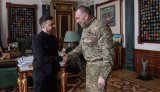
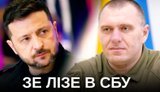
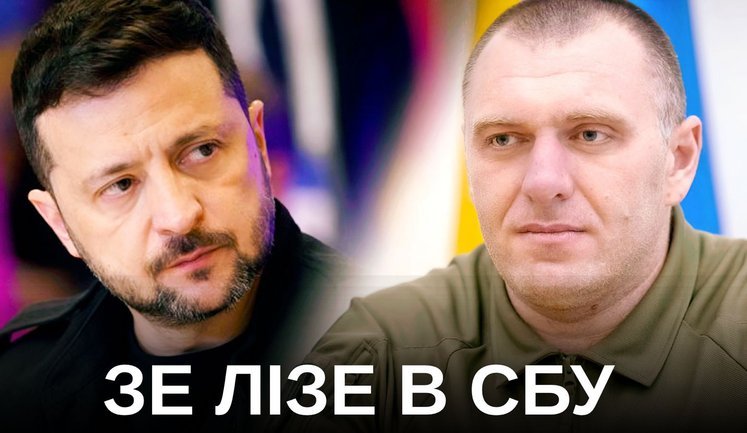
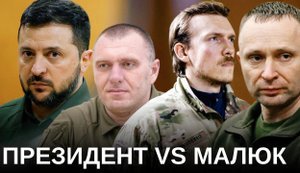
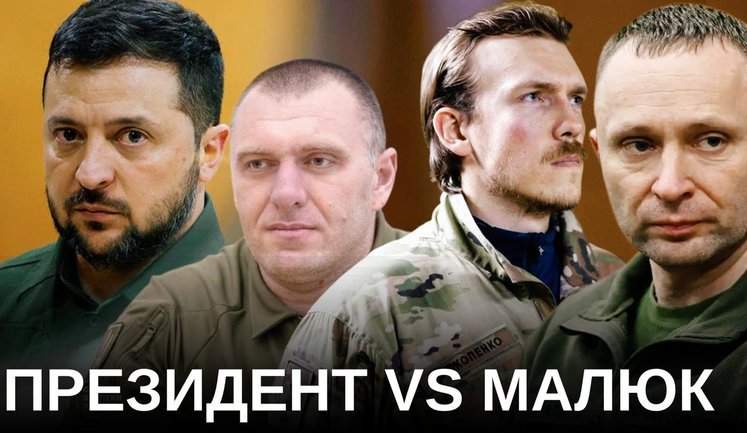
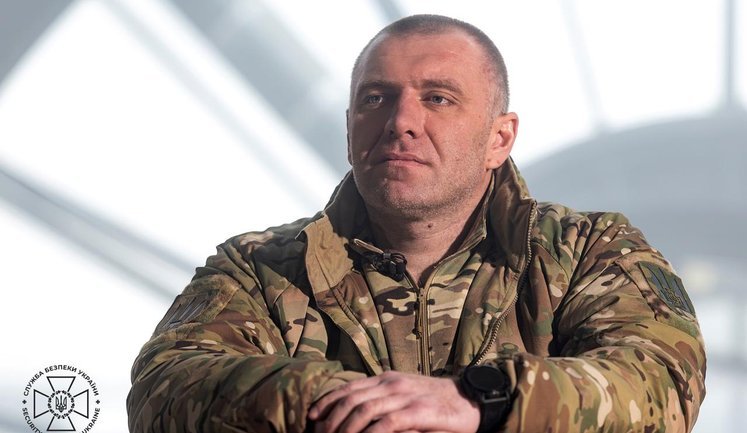
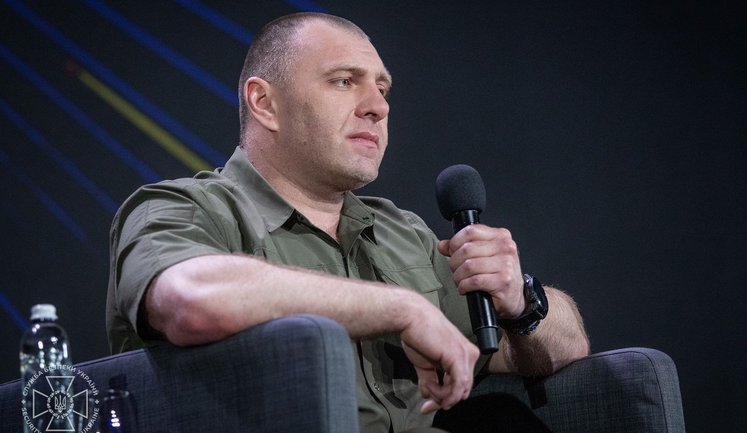
The current transition in the Security Service of Ukraine sees Yevhenii Khmara stepping in as the acting head following Vasyl Maliuk’s resignation. The decision was confirmed amidst a wave of expected personnel changes. President Zelenskyy's administration has been actively participating in structuring these developments, meeting with Maliuk to discuss potential new leaders. The discussions led to the appointment of Khmara from the Special Operations Center "A" as the interim head. This marks a significant phase in Ukraine's security landscape, emphasizing the strategic shifts and Zelenskyy's influence in the country's defense framework. Stay tuned for continuous updates on this evolving situation.
What prompted Vasyl Maliuk to resign from the SSU?
Vasyl Maliuk's resignation from his position as the head of the Security Service of Ukraine appears to be tied to a wider strategy of personnel changes within the administration, as confirmed by President Zelenskyy. These changes aim to realign the SSU's focus and leadership. Although the specific reasons for Maliuk's resignation haven't been publicly detailed, they are part of larger governmental reforms. Zelenskyy's discussions with Maliuk hinted at upcoming leadership shifts, emphasizing the dynamic nature of the security services.
Who is Yevhenii Khmara and what role will he play in the SSU?
Yevhenii Khmara, the head of the Special Operations Center "A" within the Security Service of Ukraine, has been appointed as the acting head of the SSU. With his experience in special operations, Khmara is expected to lead the agency through this transitional period effectively. His appointment is aimed at maintaining the continuity of the SSU’s operations while broader leadership decisions are being finalized by the administration. Khmara's interim leadership will likely focus on ensuring strategic readiness and operational efficiency in the face of ongoing challenges.
How did President Zelenskyy influence the recent SSU changes?
President Zelenskyy played a significant role in the recent SSU leadership transitions, as he actively engaged with outgoing head Vasyl Maliuk to orchestrate the changes. His meetings and strategic discussions reflect his administration's commitment to revamping the national security framework. Zelenskyy's involvement underscores the prioritization of security personnel restructuring, aligning the SSU's leadership with the administration's broader defense and strategic objectives. His influence suggests a deliberate attempt to adapt the service to the current geopolitical landscape.
What are the potential implications of the SSU leadership change?
The leadership transition within the Security Service of Ukraine could have wide-ranging implications for the country's counterintelligence and domestic security posture. As new interim leader Yevhenii Khmara steps in, there might be shifts in strategic priorities and operational tactics. This change is part of a broader restructuring effort titled by President Zelenskyy that aims to enhance the SSU's capabilities and adapt to evolving security challenges. This period is likely to be marked by a reevaluation of existing approaches to and policies for national defense.
What were the reactions to Vasyl Maliuk's resignation announcement?
Responses to Vasyl Maliuk's announcement of stepping down from the SSU reflect a mixture of surprise and anticipation. Within the government circles, the move followed expectations of personnel adjustments signaled by President Zelenskyy's office. The broader public and political analysts view it as a strategic realignment aimed at reinforcing Ukraine's security in the face of increasing challenges. Maliuk himself assured a continued commitment to national service, suggesting that while he resigns from his current role, he remains actively engaged in contributing to the country's security apparatus.
How is the strategic landscape of Ukraine affected by these SSU changes?
The strategic landscape of Ukraine is impacted by the changes in the SSU leadership as it signals a period of reformation and adaptive strategy within the security services. With Yevhenii Khmara's interim leadership, there is an opportunity to reevaluate and possibly refocus efforts on key security challenges. President Zelenskyy's hands-on approach to these changes underlines a proactive stance in fortifying the country's defense mechanism amidst a volatile geopolitical climate. The shake-up is part of a broader initiative to enhance readiness and operational effectiveness across Ukraine's defense spectrum.