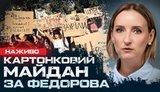
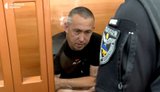
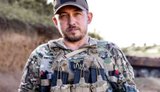
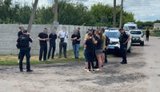
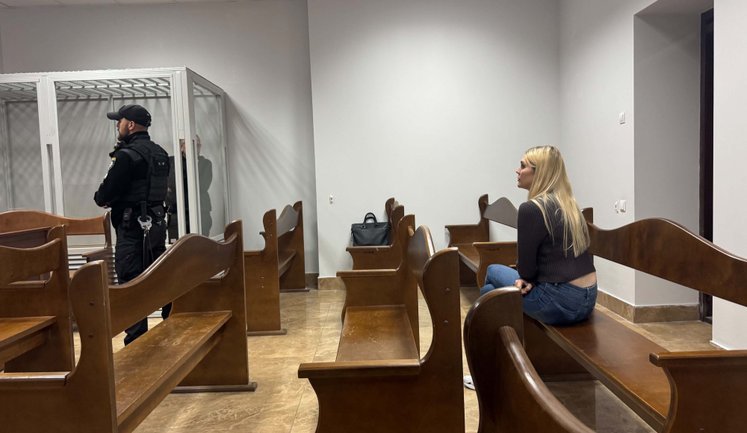
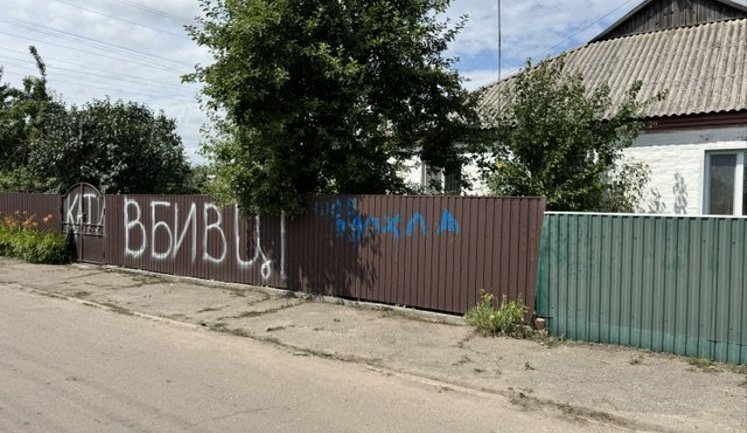
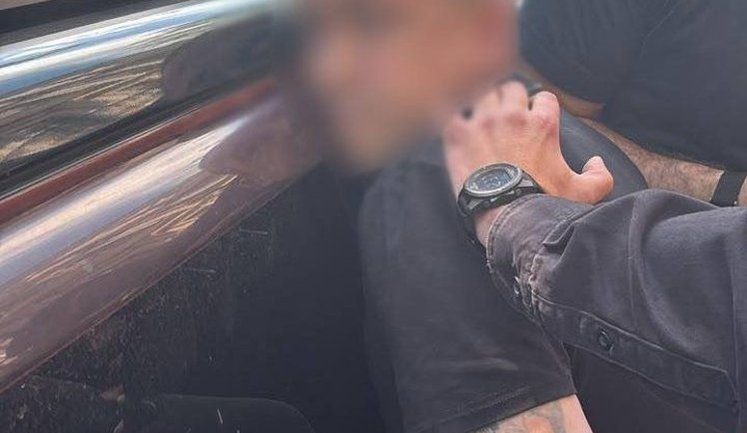
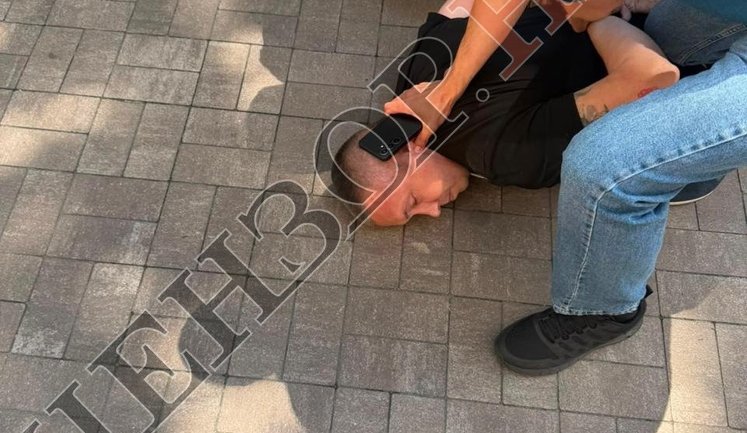
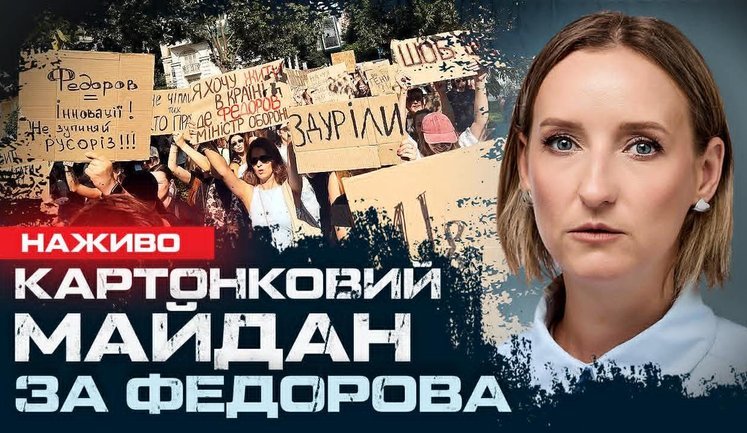
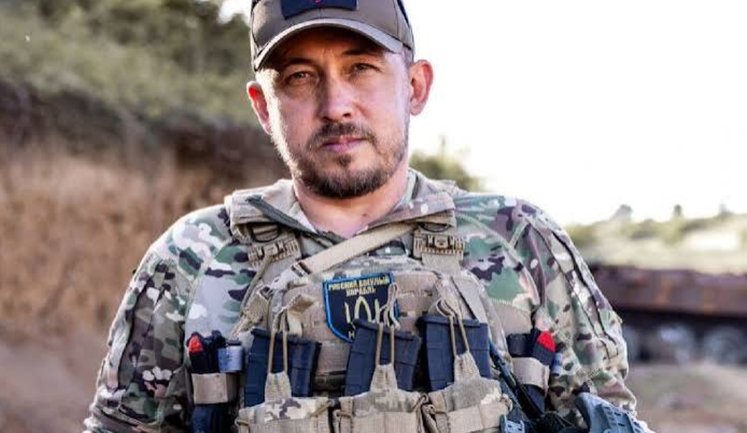
The high-profile case of former 155th Separate Mechanised Brigade commander, Stanislav Luchanov, has captivated Ukraine and beyond. Accused of organizing the murder of the Moseichuk brothers, his recent detention highlights significant developments in this controversial case. Despite initial reports implicating Luchanov, new evidence suggests that the shooting was carried out by his subordinate, Dolholenko. Protests have erupted, sparking debates around his involvement. This case raises critical questions about military command accountability and the impact on Ukraine’s defense reputation. Significant court proceedings continue to unfold, with a keen eye on potential political repercussions amidst a newly approved government.
What are the charges against Stanislav Luchanov?
Stanislav Luchanov, the former commander of the 155th Separate Mechanised Brigade, is charged with organizing the murder of the Moseichuk brothers. Initial evidence pointed towards his leadership's involvement, prompting his arrest and subsequent legal actions to determine his role and level of culpability in these serious allegations.
Were the Moseichuk brothers victims of a military operation?
The Moseichuk brothers were reportedly murdered following an organized abduction. Allegations suggest involvement of individuals linked to the military, with suspects claiming they acted on orders from brigade command, highlighting potential misuse of military resources in personal vendettas or unauthorized actions outside military protocol.
How did the police arrest Stanislav Luchanov?
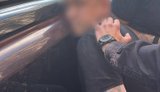
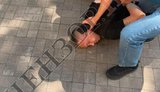
Stanislav Luchanov's arrest was meticulously executed, utilizing extensive surveillance measures including analysis of CCTV footage and vehicle tracking. Ukrainian police applied detailed investigative techniques, resulting in the capture of multiple suspects connected to the high-profile murder of the Moseichuk brothers.
What evidence ties Luchanov to the Moseichuk murders?
Evidence presented against Luchanov includes testimonies from suspects stating they received orders from brigade command, as well as forensic analyses of crime scenes. While the exact nature of his involvement remains under investigation, these testimonies and procedural links form the crux of the case against him.
How has this case affected public opinion on military leadership?
Public opinion on military leadership is deeply polarized due to this case. While some believe in the indictment’s validity, others view it as a witch-hunt against military personnel under political influence, fueling debates around military ethics, responsibility, and the need for greater transparency within armed forces while safeguarding the reputation of justice processes.