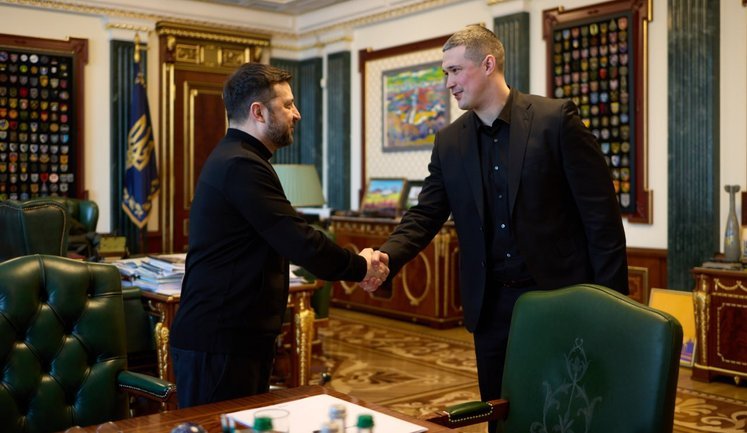
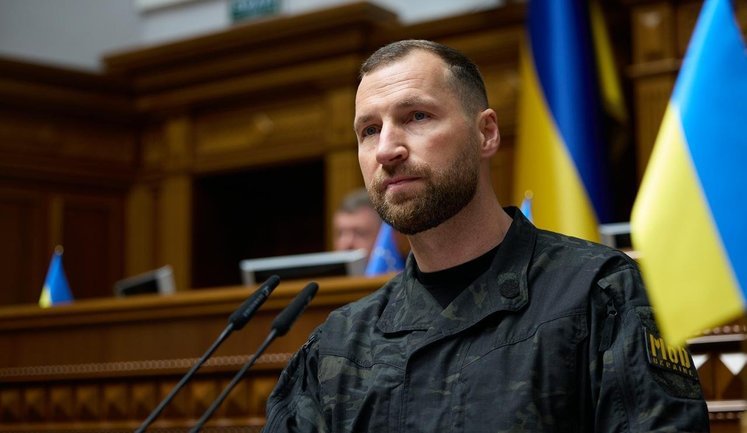
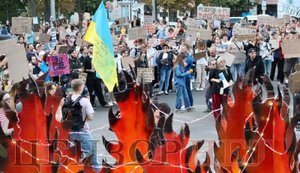
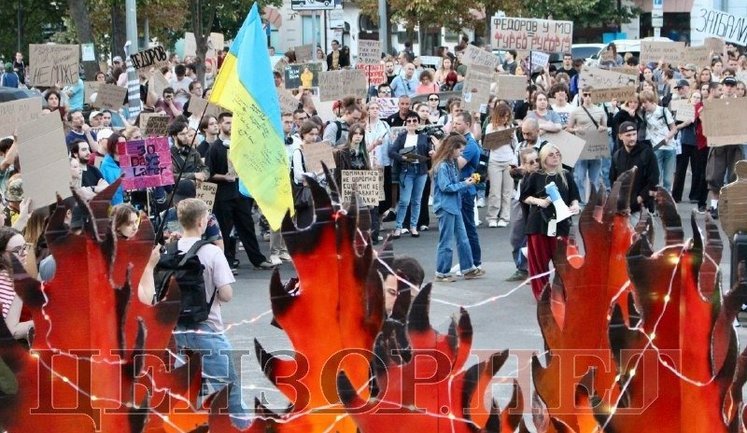
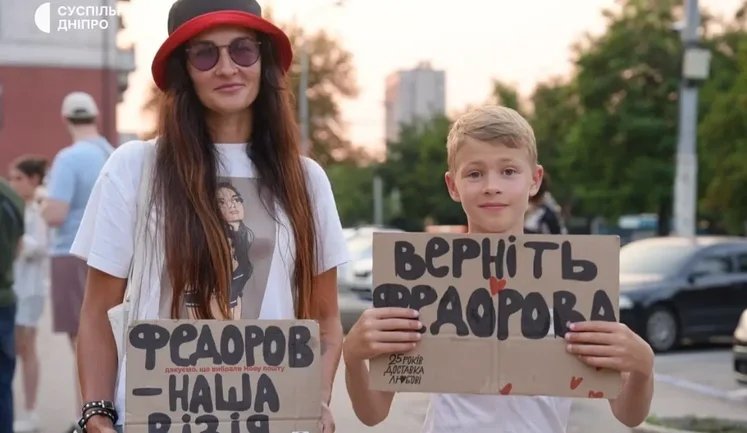
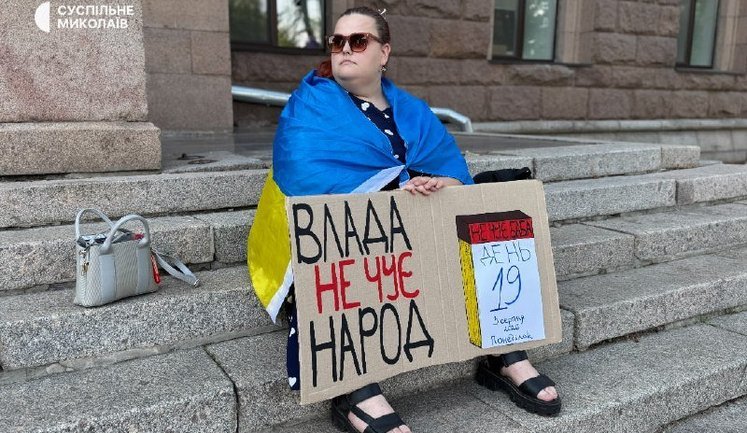
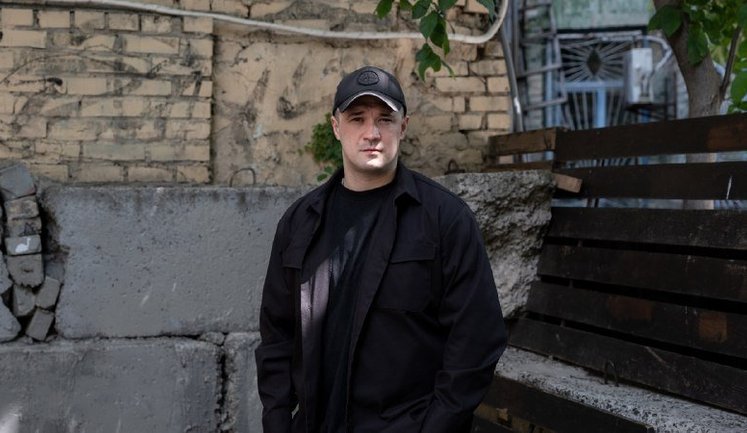
The resignation of Mykhailo Fedorov as Ukraine's Defence Minister has heightened political tension and sparked widespread protests across the country. Demonstrators are demanding his reinstatement and calling for systemic reforms. The protests have amassed significant public support, manifesting citizens' dissatisfaction with President Zelenskyy's leadership and perceived systemic corruption. Fedorov's decision to join the Italian Defence Ministry as an adviser adds complexity to the situation, leaving his future role in Ukrainian politics uncertain. His past commitment to reform, especially in defence procurement, has made him a figure of contention, with supporters urging a return to his ministerial position. The ongoing demonstrations highlight a growing demand for transparency and change within Ukraine's government.
Why did Mykhailo Fedorov resign as Defence Minister in Ukraine?
Mykhailo Fedorov resigned amid controversies surrounding defence procurement reforms. His departure came after tensions with the government, which have since led to continuous public protests demanding his reinstatement and hinting at deep-seated governance issues.
What were the main demands of the protests following Fedorov's resignation?
The main demands of the protests were to reinstate Mykhailo Fedorov as Defence Minister and to initiate substantial reforms in Ukraine's governance structures. Protesters also highlighted their dissatisfaction with the current system's effectiveness and integrity.
How has President Zelenskyy responded to Fedorov's resignation and protests?
President Zelenskyy has commented that Fedorov's resignation was necessary for ensuring effective governance. However, he has faced criticism from protesters who feel the removal is symptomatic of larger systemic problems. Calls for transparency and justification continue.
What new role has Fedorov accepted after his resignation?
After his resignation, Mykhailo Fedorov accepted a position as an adviser on defence innovation to Italian Defence Minister Guido Crosetto. This international role signifies his ongoing influence in defence matters despite stepping down from his Ukrainian ministerial role.
Have the protests affected Ukraine's political landscape significantly?
The protests have significantly affected Ukraine's political landscape by spotlighting public discontent with current governance practices. They have also intensified calls for accountability and reforms, challenging the administration's approach and decisions.
What was Fedorov's stance on rejoining the Ukrainian government?
Fedorov expressed a strong commitment to not accepting any position within the Ukrainian government other than his previous role as Defence Minister. This stance reflects his unwavering focus on implementing defence reforms, which was a central aspect of his previous tenure.
What are the implications of Fedorov's collaboration with Palantir?
Fedorov's collaboration with Palantir founder Alex Karp was criticized for potentially breaching integrity principles. It underscores the complexities former government officials face when engaging with private sector roles and the ethical implications of such collaborations.
What are the key concerns driving the ongoing protests?
The key concerns behind the ongoing protests include dissatisfaction with governance, calls for anti-corruption reforms, and demands for meaningful change in how Ukraine is managed. The movement signifies a broader demand for accountability beyond Fedorov's reinstatement.
How have foreign relations influenced the response to Fedorov's resignation?
Foreign relations have been impacted, with EU diplomats expressing concerns over potential delays in funding due to leadership changes in Ukraine's Defence Ministry. Fedorov's new advisory role in Italy also suggests complex geopolitical dynamics surrounding his resignation.
Will the ongoing demonstrations lead to changes in Ukraine's government policies?
The ongoing demonstrations have the potential to significantly influence Ukrainian policies by pressuring the government to address public dissatisfaction and implement reforms. The continuation of protests indicates a persistent push for political change and accountability.