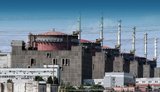
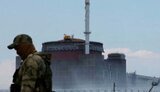
Amid ongoing hostilities, the situation at the Zaporizhzhia Nuclear Power Plant (ZNPP) continues to escalate. A fatal drone explosion near a bus stop used by ZNPP workers has resulted in one death and several injuries, heightening security concerns in the region. The International Atomic Energy Agency (IAEA) has confirmed damage to key ZNPP infrastructure, including the turbine hall and laboratory equipment. Meanwhile, Ukraine firmly denies any involvement, claiming that Russian accusations form part of a disinformation campaign aimed at justifying continued military presence around ZNPP for nuclear blackmail. Tensions have intensified following Russian President Putin's threats to initiate "mirror" nuclear plant strikes in Ukraine, exacerbating fears of nuclear conflict. With additional shelling near nearby power grids, the stability and safety of ZNPP remain in jeopardy.
What is the current state of the Zaporizhzhia NPP following recent attacks?
The Zaporizhzhia Nuclear Power Plant is experiencing heightened instability following recent attacks, including a deadly drone strike near its facilities. The IAEA has reported damage to critical infrastructure and continues to call for increased access to assess the situation comprehensively. These developments are compounded by ongoing shelling in the area, which poses a risk to the power plant’s operations and safety.
What has the International Atomic Energy Agency (IAEA) reported about the Zaporizhzhia NPP?
The IAEA has documented multiple instances of damage to the Zaporizhzhia Nuclear Power Plant, including external harm to the turbine building and laboratory equipment. The agency is actively seeking access to evaluate these damages further and ensure the site's safety. The IAEA's involvement underscores the severity of the situation and the potential international implications.
How has Ukraine responded to allegations concerning strikes on the ZNPP?
Ukraine has categorically denied any involvement in attacks on the Zaporizhzhia NPP, dismissing the claims as part of a Russian disinformation campaign. Ukrainian officials argue that Russia is using these accusations to justify its ongoing control over the power plant, employing the facility as leverage in geopolitical disputes. Ukraine emphasizes its commitment to maintaining peace and stability in the region.
What threats has Russia made related to nuclear power plant attacks?
Russian President Vladimir Putin has issued threats of "mirror" strikes on Ukrainian nuclear power plants, allegedly in retaliation for attacks on the Zaporizhzhia facility. These statements have escalated fears of broader nuclear conflicts in the region, sparking international concern and calls for diplomatic measures to prevent any escalation in hostilities. The global community remains on high alert in light of these developments.
How has the Zaporizhzhia Thermal Power Plant been affected by surrounding conflicts?
The Zaporizhzhia Thermal Power Plant has come under heavy shelling, which has raised significant concerns regarding its ability to supply power to the nearby Zaporizhzhia Nuclear Power Plant. This disruption underscores the broader impact of ongoing hostilities on critical energy infrastructure in the region. Both plants are crucial to regional power stability, and any damage could have far-reaching consequences.
What were the consequences of the drone strike near the ZNPP bus stop?
A drone strike near a bus stop used by Zaporizhzhia NPP workers has resulted in the tragic death of one person and injuries to 15 others. This incident highlights the increased risks faced by civilians and essential personnel in conflict zones, further intensifying the already volatile situation surrounding the nuclear plant. Safety and security measures continue to be critical priorities.
How is the power supply to Zaporizhzhia NPP affected by the conflict?
The Zaporizhzhia Nuclear Power Plant has experienced disruptions to its power supply, including the loss of power from high-voltage lines due to ongoing hostilities. Despite restoration efforts, the stability of the plant’s power supply remains vulnerable to further military activities in the region. Ensuring uninterrupted power is critical to the plant’s safety and operational integrity.