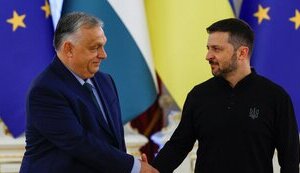
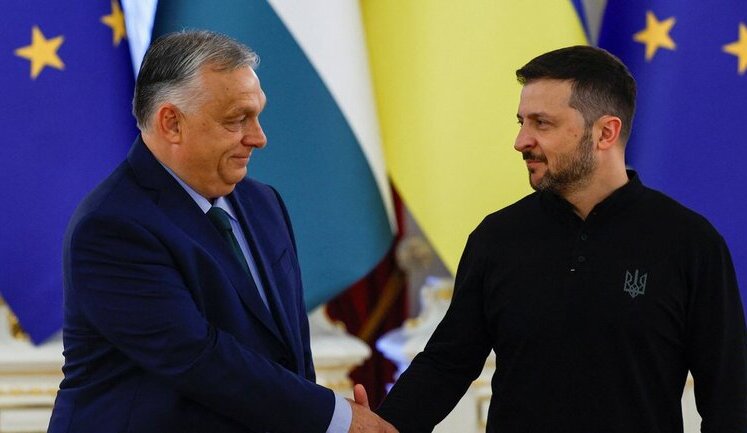
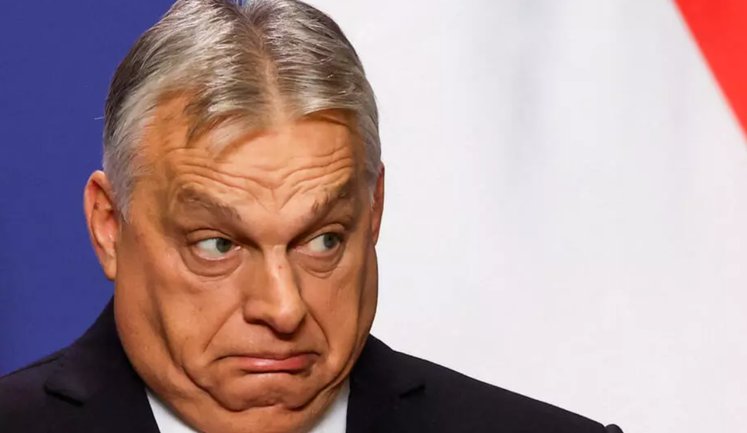
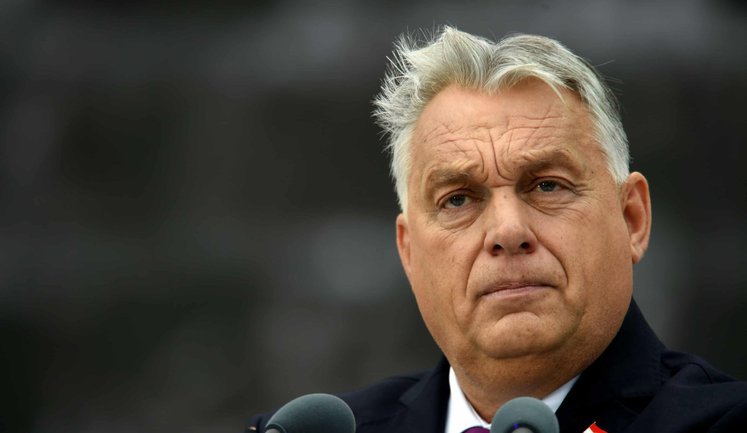
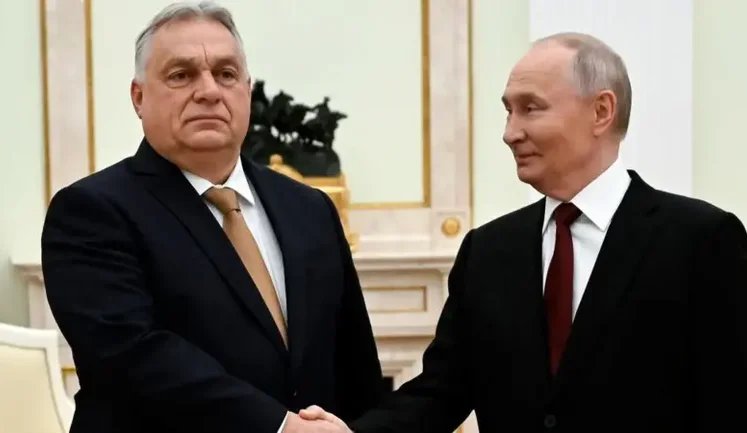
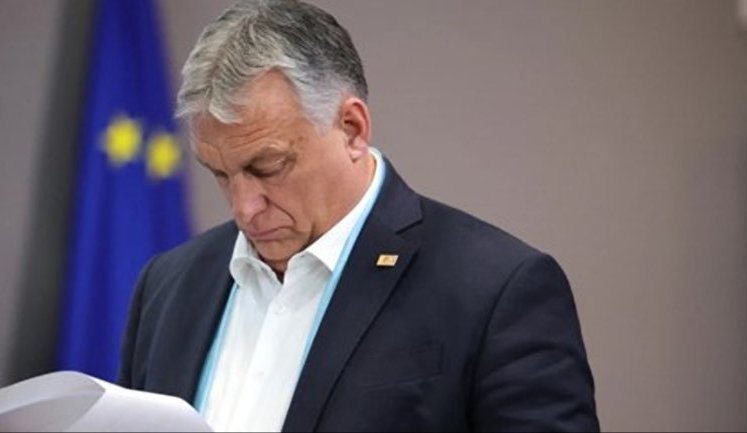
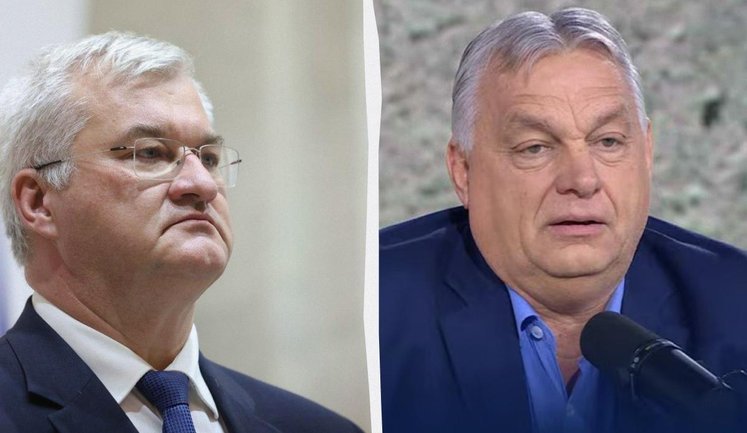
The anti-Ukrainian position of Hungarian Prime Minister Viktor Orban has intensified tensions within the European Union. EU leaders plan to discuss Orban's ties with Russia, as the Hungarian leader's controversial remarks and actions continue to create friction. Orban has openly stated that Ukraine should become a buffer zone, arguing against Ukraine's accession to NATO and the EU. Recent actions, including halting gas supplies to Ukraine and his refusal to back EU aid conclusions, have strained Hungary's relations with EU partners. These moves have economic ramifications for Hungary, with potential losses exceeding $1 billion due to Orban's policies. The EU has also postponed Hungary's loan approval owing to its veto on Ukraine's aid, further complicating its standing within the bloc. The EU's concern grows over Orban's leverage of oil supply negotiations to favor Russian interests, impacting both Hungarian and broader European economic stability.
Why does Orban oppose Ukraine's entry into the EU?
Hungarian Prime Minister Viktor Orban opposes Ukraine's EU accession because he believes it could lead to direct conflict between the EU and Russia. Orban argues that Ukraine's EU membership would draw the bloc into the ongoing war, risking European stability. Additionally, Orban sees Ukraine's financial dependency on the EU as a sovereignty issue and uses this to justify his anti-accession stance.
How does Orban's relationship with Russia affect Hungary's EU standing?
Orban's close relationship with Russia affects Hungary's EU standing significantly. His support for Russian interests, such as gas and oil supplies, often leads to conflicts with EU priorities, like aid to Ukraine. This complicity with Russia strains Hungary's relations with EU partners and jeopardizes EU financial support and collaboration, as seen with the suspended EU aid package to Ukraine.
What are the economic implications of Orbán's policies on Hungary?
Orban's policies have serious economic implications for Hungary, notably potential losses over $1 billion due to the halt in gas supplies to Ukraine. His stance risks further economic isolation within the EU, as financial and loan supports are withheld or delayed. These losses threaten Hungary's economic stability, enhance its reliance on Russian resources, and inhibit potential growth within the EU framework.
How are EU leaders responding to Orban's anti-Ukrainian actions?
EU leaders are actively addressing Orban's anti-Ukrainian actions by planning discussions about Hungary’s ties with Russia at summits. They are exploring measures to counteract Hungary's vetoes on Ukrainian aid and reconsider Hungary's access to EU financial support. The EU aims to apply diplomatic pressure and leverage financial aid mechanisms to encourage Hungary to align with European policies and support Ukraine.
In what ways has Orban used oil supply as leverage in EU negotiations?
Orban has used oil supply as a significant leverage point in EU negotiations, demanding the reopening of the Druzhba pipeline as a condition for supporting EU financial decisions regarding Ukraine. By blocking aid tied to oil supply conditions, Orban positions Hungary’s energy needs as critical to broader regional decision-making, enhancing his influence but straining EU relations and economic stability.
What are the major points of friction between Orban and other EU leaders?
The major points of friction include Orban’s veto of aid to Ukraine, his calls to make Ukraine a buffer zone, and his continued relations with Russia, opposing collective EU strategies. These actions undermine EU unity, challenge collective security policies, and highlight Hungary's divergent approach to geopolitics and democracy, as seen in its opposition to Ukraine's integration into EU structures.
How does Orban justify his stance on Ukraine within Hungary?
Within Hungary, Orban justifies his stance on Ukraine by emphasizing national interests and economic stability. He argues that getting involved in Ukraine's disputes could drag Hungary into conflict with Russia. He maintains that Ukraine's financial ties with the EU challenge its sovereignty, and that Hungary must protect its economic interests by negotiating satisfactory terms for energy supplies, especially through continued Russian connections.
What potential consequences could arise from Hungary's current EU policy?
The potential consequences of Hungary's current EU policy include increasing isolation from the EU, loss of financial support, and internal economic instability. EU skepticism regarding Hungary could lead to reduced influence in European decision-making and lower access to strategic European funds and programs. This could also harm Hungary's long-term economic outlook and diplomatic relationships within the EU.