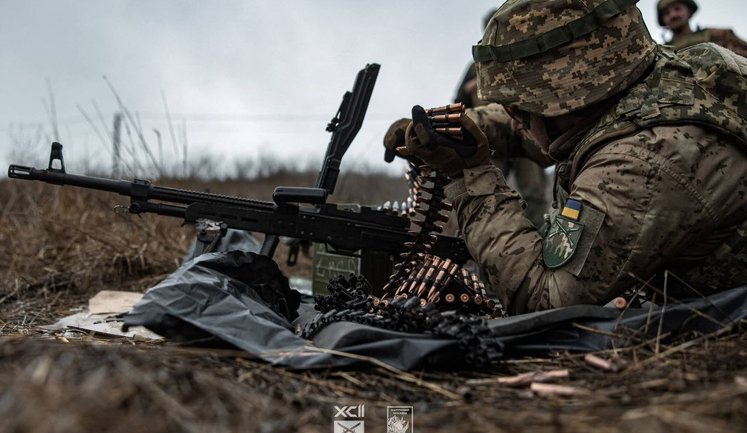
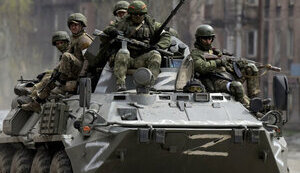
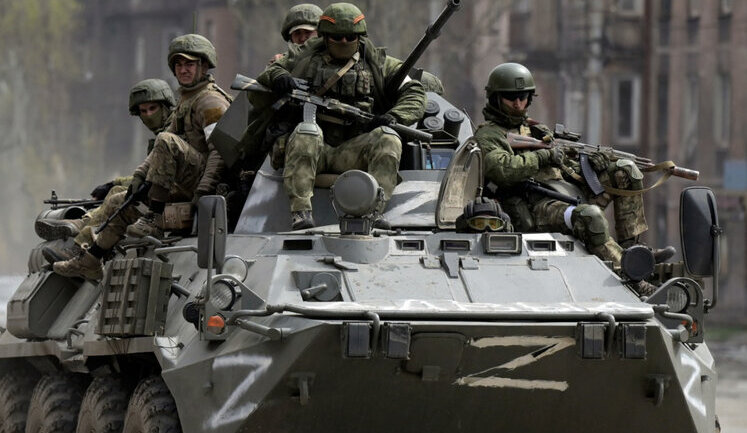
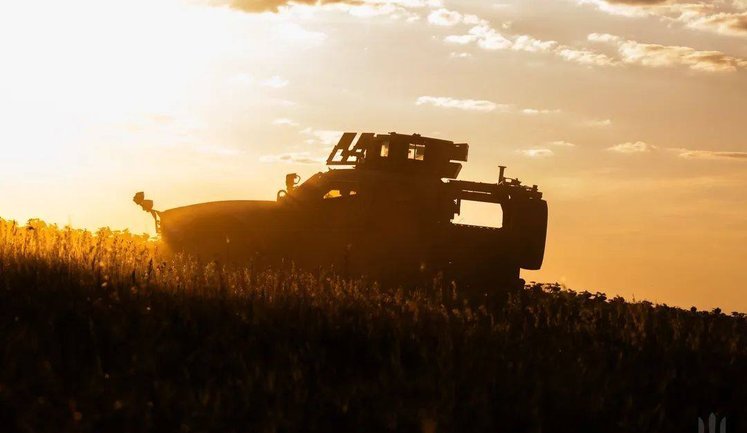
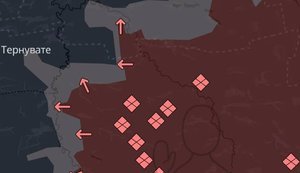
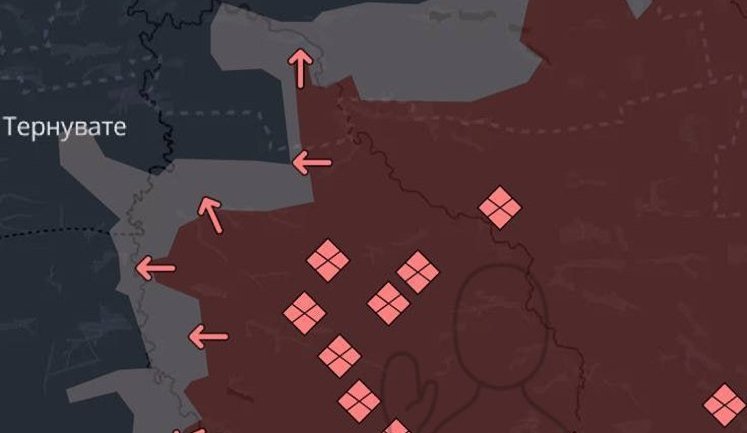
The conflict in southern Ukraine continues to escalate as Russian forces deploy additional light armored vehicles, primarily for troop rotations and replenishments rather than an imminent major offensive. Ukrainian Armed Forces closely monitor these movements while engaging in frequent combat operations. In recent days, over 130 combat engagements have been tallied, particularly intense around the Pokrovsk and Kostiantynivka sectors. Commander-in-Chief Oleksandr Syrskyi has actively visited the region, emphasizing efforts to reinforce Ukrainian defensive positions and strategize long-range strikes. Meanwhile, the Defense Intelligence, in collaboration with frontline units, has successfully halted enemy advances, regaining over 480 square kilometers and securing key settlements in the Dnipropetrovsk and Zaporizhzhia regions. This ongoing strategic contest reflects the dynamic and volatile nature of the hostilities in the south.
What are the major developments in southern Ukraine's conflict?
In southern Ukraine, Russian deployments of light armored vehicles are significant, but mainly serve rotation purposes. Ukrainian Armed Forces have regained territory, with fierce clashes noted in Pokrovsk and Kostiantynivka. The high number of engagements underscores the conflict's intensity and strategic importance, as Ukrainian forces, bolstered by visits from military leaders, aim to bolster defenses and sustain territorial gains against Russian advances.
How is Ukraine managing Russian armored vehicle movements?
Ukraine strategically monitors Russian armored vehicle movements, recognizing their role in troop rotations rather than offensive actions. Utilizing aerial reconnaissance and ground intelligence, Ukraine adjusts its operational tactics to counter any potential increase in threats, maintaining a robust defense posture while preparing to disrupt further enemy advances effectively.
What role does terrain control play in the conflict?
Terrain control is crucial as both sides vie for strategic locations. Ukraine's defense forces have successfully regained control over significant southern territories, enhancing their defensive capabilities and hindering Russian maneuverability. Such control is vital in preventing Russian forces from establishing dominance or creating advantageous positions that could threaten Ukrainian defensive lines.
How has Ukrainian leadership reacted to the escalation in hostilities?
Ukrainian leadership, led by President Volodymyr Zelenskyy and Commander-in-Chief Oleksandr Syrskyi, remains proactive in addressing escalation. Regular front line assessments and strategic coordination meetings underscore leadership's commitment to reinforcing defenses and coordinating effective responses to Russian maneuvers, ensuring sustained national morale and operational effectiveness.
In what ways have Ukrainian forces regained territory?
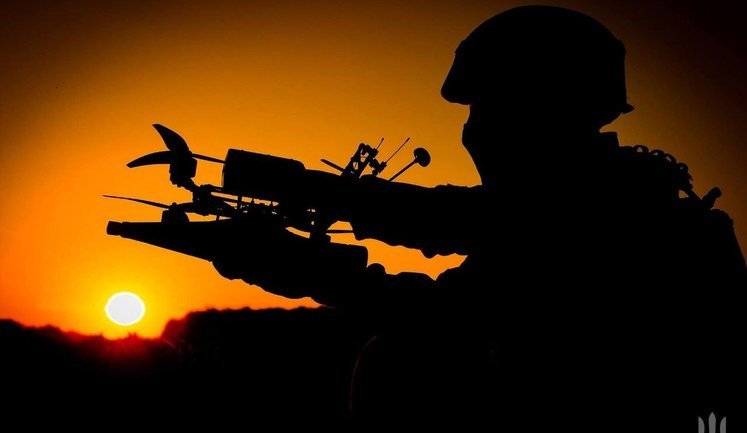
Ukrainian forces have combined strategic counterattacks with effective engagement tactics to regain territory. This involves leveraging artillery and drone capabilities, precise targeting of Russian logistical routes, and exploiting weaknesses in Russian deployments. Such efforts have reclaimed hundreds of square kilometers, reversing some Russian territorial gains and disrupting their strategic objectives.
What are the implications of Russian force redeployments in the south?
Russian force redeployments, while indicative of personnel rotation, signal potential strategic recalibrations, aiming to reinforce weak sectors. These movements necessitate diligent Ukrainian surveillance and adaptable defense strategies to anticipate any shifts in Russian offensive dynamics, maintaining vigilance toward emerging threats in the region.