



He’s acting like 6-year-old: EU leaders split into two groups, trying to convince Orban - Politico
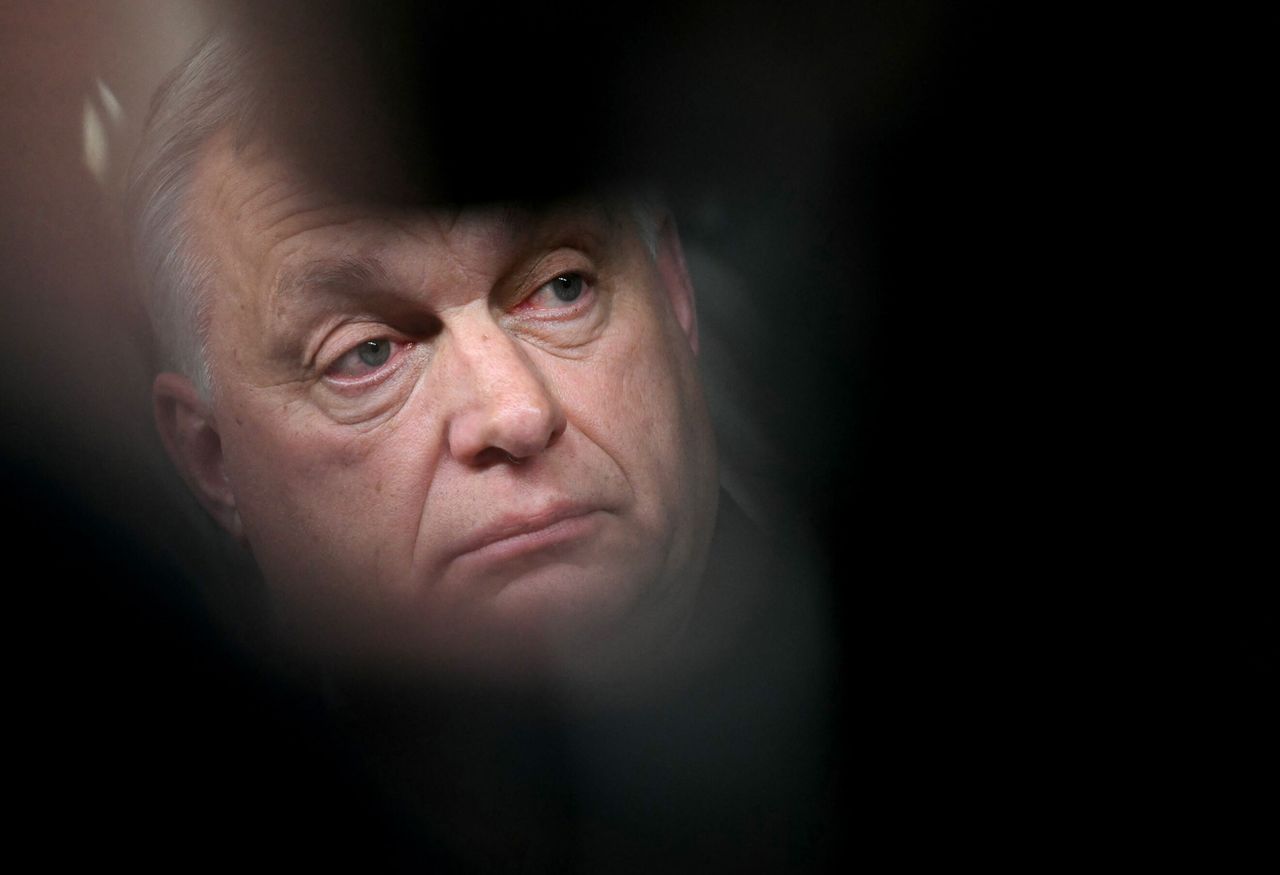
EU leaders split into two groups in an effort to persuade Hungarian Prime Minister Viktor Orbán to approve a €90 billion loan for Ukraine.
Politico reports this, according to Censor.NET.
Details
The publication notes that Orbán has reneged on the promise he made at the December summit to approve the loan.
According to the leaders, this undermines the very foundation of the EU's decision-making process, which depends on governments adhering to strict commitments.
German Chancellor Merz noted that Orbán is thereby "violating one of the fundamental principles of our cooperation."
EU leaders split into two groups in an effort to persuade Orbán to change his mind. At the same time, most EU leaders stepped up pressure on the Hungarian politician.
"It was very, very harsh criticism, and it felt like things simply couldn't go on like this. I have never heard such harsh criticism directed at anyone at an EU summit—never," said Swedish Prime Minister Kristersson.
Some leaders have tried the opposite approach. For example, Italian Prime Minister Meloni and Belgian Prime Minister De Wever have tried to appeal to Orbán’s ego by expressing sympathy for his position.
"You have to treat him like a six-year-old; you have to adapt to him," said one of the diplomats.
The bet is that, one way or another, everything will change after the Hungarians go to the polls on April 12. If Orbán loses, his successor may be interested in removing Budapest’s obstacles in exchange for EU funding, the article states.
"France and Germany did not want to spend too much time or political capital trying to persuade Orbán at Thursday's summit, and had no desire to help his election campaign," says the publication's source.
The Blocking of Aid and the "Friendship" Issue
Financial aid to Ukraine is currently on hold due to the stance taken by Hungary and Slovakia, as unanimous support from all EU member states is required for its approval.
Budapest is making its approval contingent on the resumption of operations on the Druzhba oil pipeline, which supplies Russian oil to Hungary. This refers to the section damaged by a drone attack in January.
Russia's attack on the Druzhba oil pipeline
- On January 7, a piece of infrastructure was damaged in Brody, Lviv region, as a result of a Russian attack. Naftogaz reported that the Russian military had attacked a critical infrastructure facility in western Ukraine. A fire broke out, and operations at the facility were halted.
- According to the publication Enkorr, the facility in question is located in the city of Brody in the Lviv region and is connected to the Druzhba oil pipeline.
- On February 12, Ukrainian Foreign Minister Andrii Sybiha stated that Russian oil supplies via the Druzhba pipeline had been suspended since January 27 due to a Russian attack. He also said that Budapest was preparing to lodge a complaint regarding transit issues.
- The governments of Hungary and Slovakia have announced a suspension of diesel fuel exports to Ukraine until Russian oil supplies resume via the Druzhba pipeline.
-
On March 11, the Ukrainian Ministry of Foreign Affairs stated that a group of Hungarian citizens had entered Ukrainian territory without official status or scheduled official meetings.
-
President Zelenskyy stated that he is unaware of what the Hungarian delegation is doing in Ukraine.
-
Subsequently, Hungarian Foreign Minister Péter Szijjártó accused Zelenskyy of lying and published a Hungarian diplomatic note indicating that Budapest had requested a meeting between Cepec and Ukrainian Minister Denys Shmyhal.
-
At the same time, the Foreign Ministry's note indicates that the Hungarian side did not coordinate its delegation's visit to the Druzhba oil pipeline with Ukraine and received proposals from Kyiv regarding alternative dates for the visit.


