



Hungary’s attack on Oschadbank cash-in-transit personnel threatens EU currency stability – ECB chief Lagarde
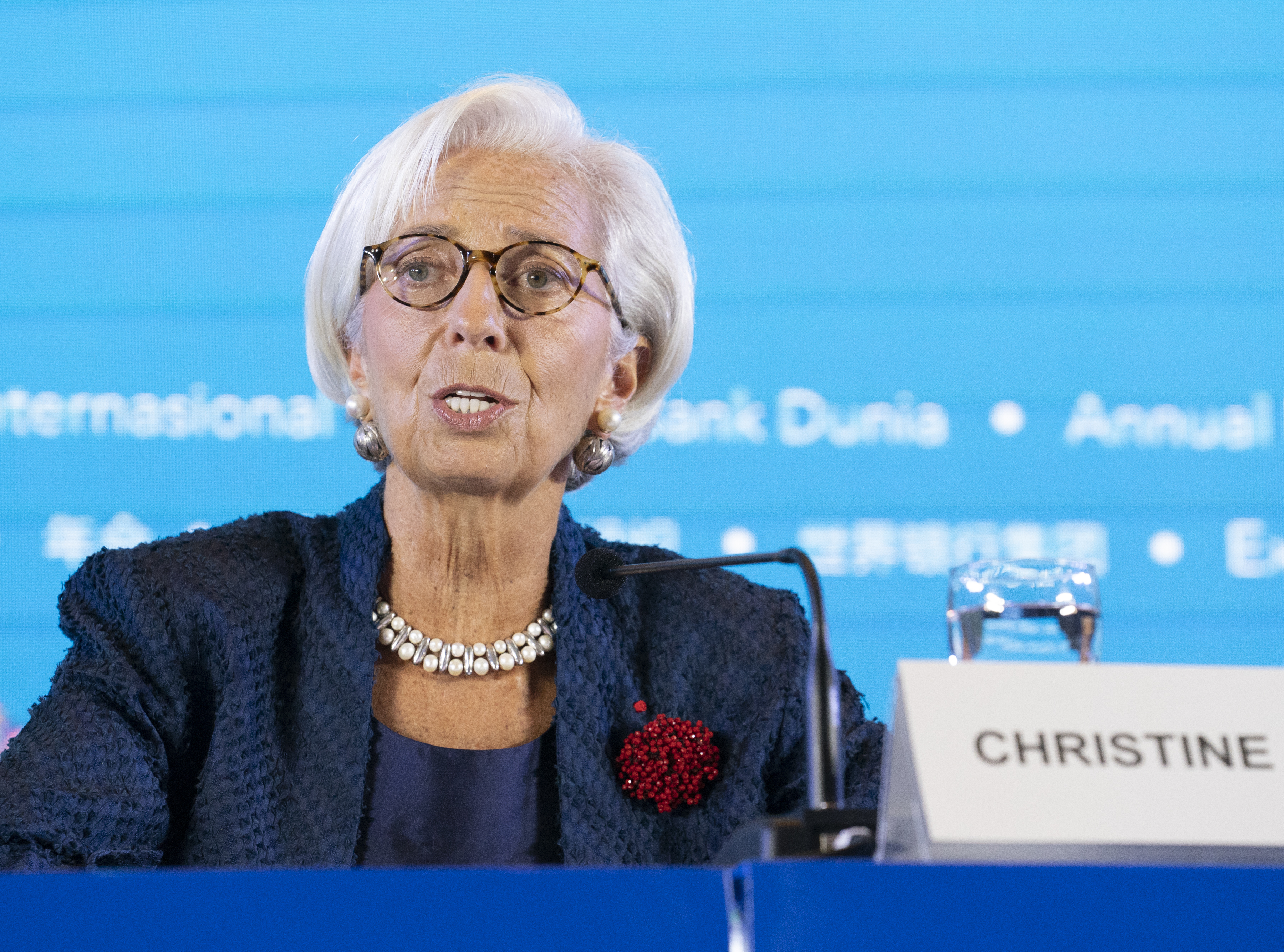
European Central Bank (ECB) President Christine Lagarde believes that the attack by special forces of Hungary’s Counter Terrorism Centre on Oschadbank cash-in-transit personnel from Ukraine and the seizure of the money pose a threat to the EU’s currency stability.
This is stated in Lagarde’s written reply to a letter from National Bank of Ukraine Governor Andrii Pyshnyi, which was previously reported by European Pravda, Censor.NET reports.
ECB reaction
The National Bank publicly reported on the response from one of the recipients of Pyshnyi’s letters, namely the head of the European Central Bank.
"Christine Lagarde shares our arguments and stresses the risks such a situation poses to the euro as an international currency," said Yuliia Yevtushenko, Director of the NBU Communications Department.
Lagarde also gave Ukraine written assurances of her intention to raise the issue in Brussels and in dialogue with Budapest.
"She promised to draw the President of the European Commission’s attention to the letter from the NBU, share her own concerns with her, and also personally discuss the issue with Hungarian representatives," the NBU representative said.
Background
- On March 6, Hungary’s tax authority confirmed the detention of seven Ukrainian nationals.
- The NBU team urgently travelled to Budapest over the detention of the cash-in-transit personnel.
- Ukraine’s National Police opened criminal proceedings.
- The Hungarian government said that the seven Ukrainian cash-in-transit personnel would be deported.
- On the evening of March 6, Ukrainian Foreign Minister Andrii Sybiha reported the release of the seven Ukrainian cash-in-transit personnel detained in Hungary.
- Máté Kocsis, leader of the parliamentary group of Hungary’s ruling Fidesz party, submitted a bill providing for the seizure until the end of the investigation of the cash and valuables of Ukraine’s Oschadbank captured in Hungary.
- Hungarian Foreign Minister Péter Szijjártó said that the situation involving the seizure of the currency and gold transported by Oschadbank cash-in-transit personnel was a matter of national security for the country. Budapest also suggests a possible link between these funds and interference in the Hungarian elections.
- It was reported on March 12 that Oschadbank had recovered the cash-in-transit vehicles previously detained in Hungary, but the cash and bank gold they had been transporting remain detained.
- According to The Guardian, Hungarian counter-terrorism police agents may have forcibly injected one of the Oschadbank cash-in-transit personnel detained on the night of March 6. It was a sedative that made a person more talkative during interrogations.


