



Fedorov: There is "systemic crisis of governance" in Ukraine, and "private interests" in Rada
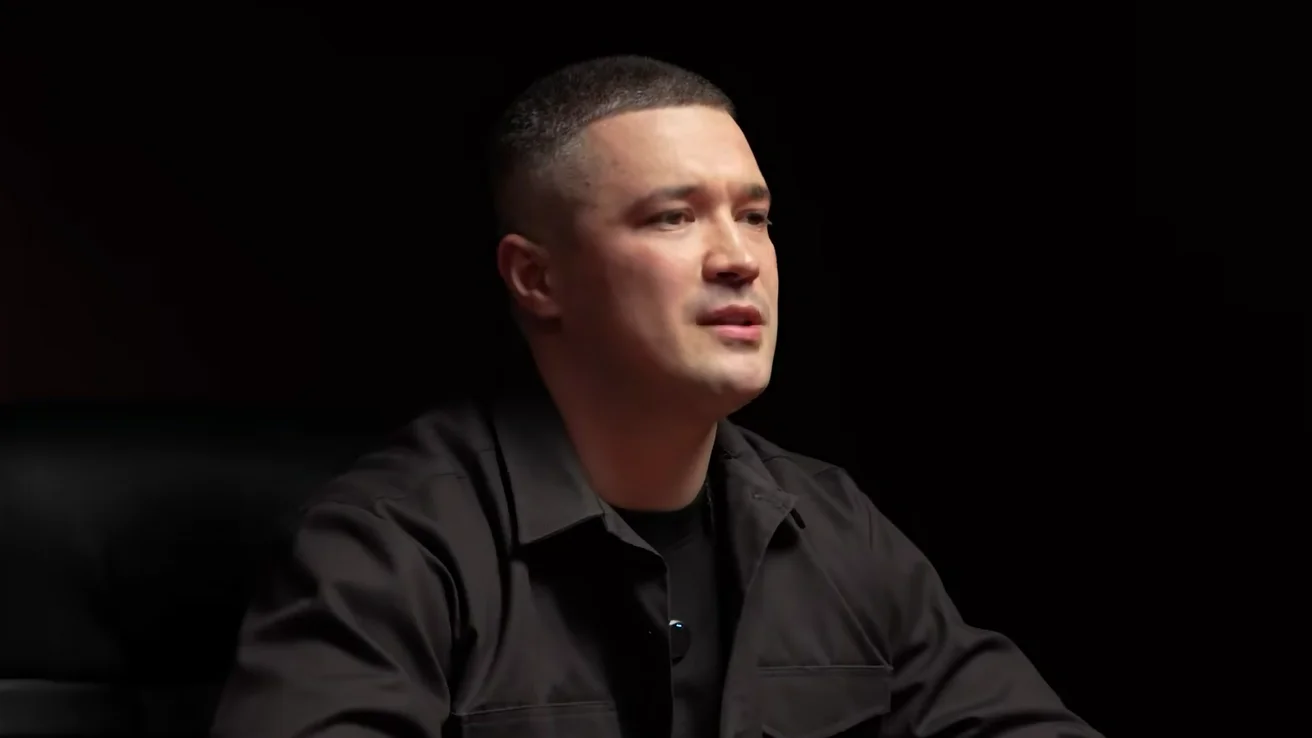
Former Defense Minister Mykhailo Fedorov stated that the country's main problem is not corruption itself, but a "systemic governance crisis," in which the old system protects its own rules rather than focusing on results.
He stated this in a video address, according to Censor.NET.
The Governance Crisis in Ukraine
Fedorov addressed the Ukrainian people, stating that corruption during the war is merely a symptom of a much deeper problem: a systemic crisis in public administration.
"Corruption is just a symptom. The main problem runs much deeper. We are facing a systemic crisis of governance. The old system too often operates by its own rules. It protects itself; it fears change. It makes decisions slowly. It may punish initiative and reward loyalty. It may maintain ineffective structures for years simply because everyone has grown accustomed to them," he said.
According to him, the state should be a system with clear goals, a strategy, and effective teams, rather than a structure focused on self-preservation.
On Parliament and Private Interests
Separately, the former minister addressed the issue of governing the Verkhovna Rada, which, in his view, should be based on the majority’s agenda and values, rather than on the private interests of individual influential groups.
"The management of parliament should be based on the majority’s agenda, values, and principles, not on personal interests in the defense, pharmaceutical, gambling, and tax sectors. Because parliament is the heart of Ukrainian democracy, not its wallet. And war does not forgive such things," Fedorov emphasized.
As he spoke about the majority’s agenda, values, and principles, footage of the Rada chamber was shown. And when he mentioned "private interests in the defense, pharmaceutical, and gambling industries, as well as in taxation," footage appeared showing David Arakhamia, the head of the "Servant of the People" faction, speaking with journalists.
Fedorov himself did not mention Arakhamia in his speech and did not explicitly link him to the areas mentioned.
On Power as Responsibility
Fedorov articulated a principle that, in his words, should form the basis of government administration during wartime.
"Ukraine needs a very simple principle. Power must mean responsibility. If you’ve been given authority, be accountable for the results. If you’ve been given a budget, show what has been accomplished. If you’ve been given a position, explain what results you’ve achieved... In this situation, the country cannot remain without a fully appointed defense minister. This is not normal. For Ukraine, which is fighting for its very existence every day, defense policy cannot remain in a state of limbo. When society is simply informed of decisions, but no one explains why they were made, the most important thing—trust between citizens and the state—is gradually eroded," he added.
Cabinet reshuffle, Fedorov's resignation, and a new chief of staff
- On July 14, the Verkhovna Rada approved a resolution on the resignation of Prime Minister Yulia Svyrydenko. Along with her, the entire Cabinet of Ministers automatically resigned.
- On July 15, Mikhail Fedorov announced that he was stepping down as head of the Ministry of Defense.
- Rallies in support of Mykhailo Fedorov took place in Dnipro, Rivne, Zaporizhzhia, Lutsk, Cherkasy, and other cities. Participants are protesting his resignation.
- On July 16, the Verkhovna Rada voted to appoint a new Cabinet of Ministers of Ukraine. The prime minister is Serhiy Koretskyi.
- President Volodymyr Zelenskyy announced that he will nominate Yevhen Khmara for the position of Ukraine's defense minister. Prior to this, he had tasked Khmara with serving as acting head of the Ministry of Defense.
- Protests against Fedorov's resignation continued in Ukrainian cities. In addition to demanding that Fedorov be reinstated as defense minister, people demanded the dismissal of Oleksandr Syrskyi, commander-in-chief of the Armed Forces of Ukraine.
- On July 21, President Volodymyr Zelenskyy dismissed Oleksandr Syrskyi from his post as Commander-in-Chief of the Armed Forces of Ukraine. He appointed General Mykhailo Drapaty to replace him.
- On August 18, President Volodymyr Zelenskyy submitted a proposal to the Verkhovna Rada to appoint a minister of defense and a minister of foreign affairs.


