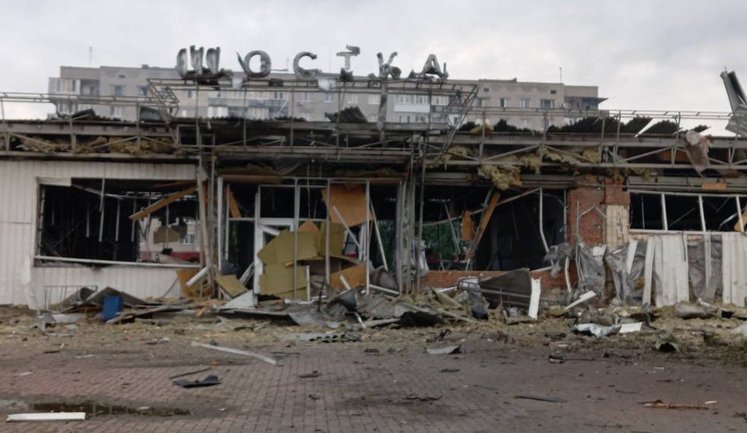
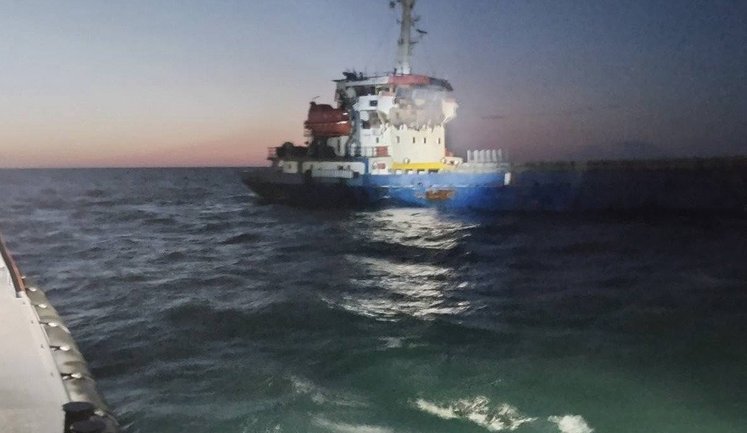
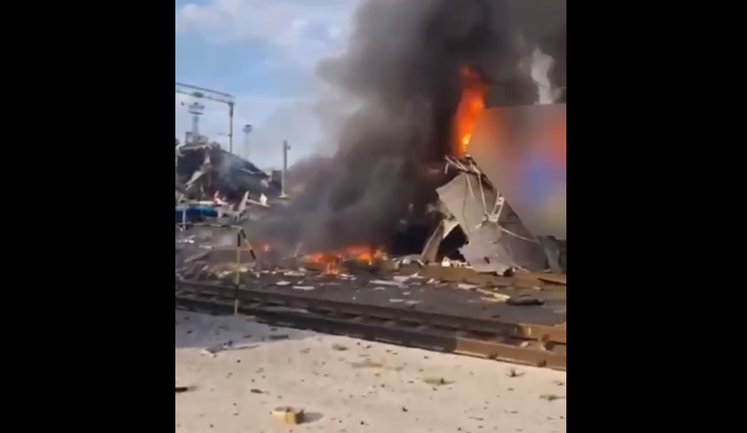
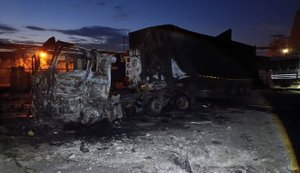
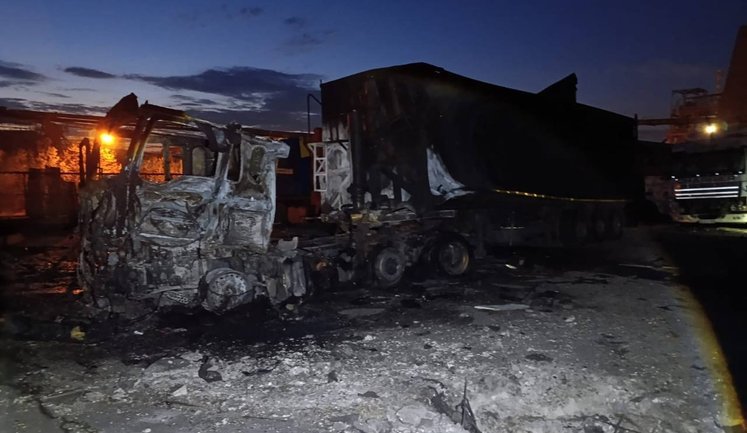
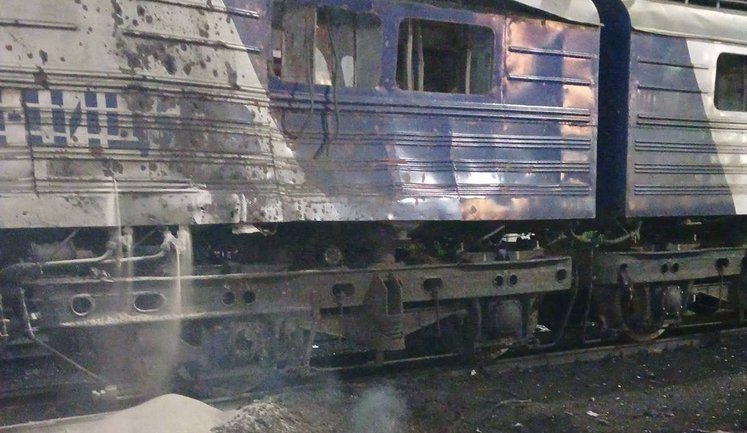
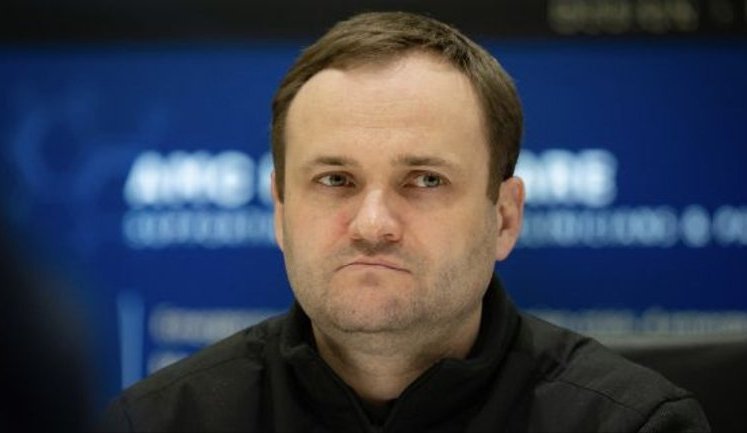
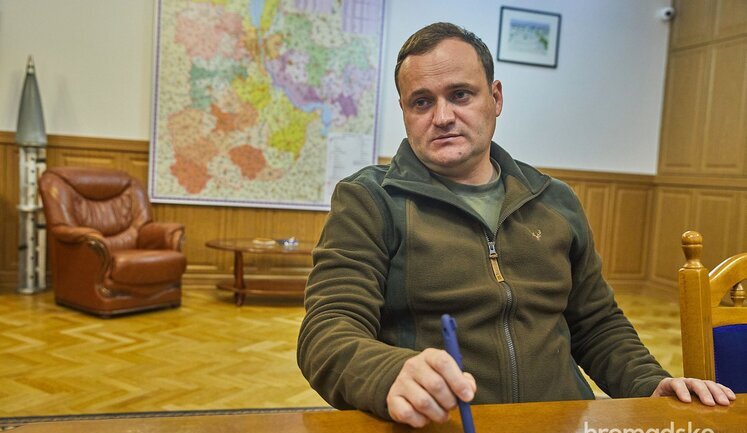
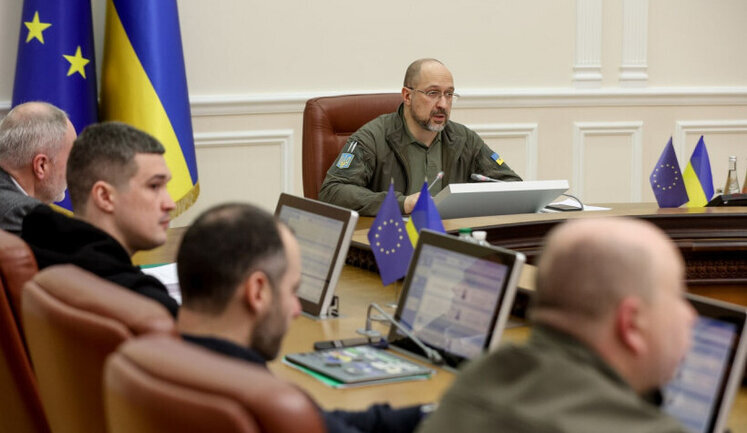
Deputy Prime Minister Oleksii Kuleba has been vocal about the challenges Ukraine faces due to ongoing Russian aggression. Strikes on critical infrastructure, especially ports and railways, have been rampant, disrupting both civilian and logistical operations. Despite this, efforts are being made to rebuild and restore vital services such as heat and electricity, particularly in hard-hit regions like Kyiv, Odesa, and Dnipropetrovsk. Kuleba emphasizes the importance of these sectors for Ukraine’s resilience and recovery. Moreover, international cooperation is crucial, as shown by the energy equipment received from allies. Through collaborative efforts and strategic measures presented during discussions in Brussels, Ukraine is setting a precedent for protecting critical infrastructure under adverse circumstances.
What are the main challenges faced by Ukraine in terms of infrastructure according to Oleksii Kuleba?
According to Oleksii Kuleba, the main challenges Ukraine faces include ongoing Russian attacks targeting critical infrastructure, such as ports, railways, and energy facilities. These assaults disrupt not only civilian life but also hamper logistical operations essential for the country's economy and daily functioning. Despite these challenges, Ukraine is actively working on restoration and recovery efforts to maintain stability and protect its vital sectors. International support and strategic measures play a crucial role in these initiatives.
How is Ukraine responding to the attacks on its transportation infrastructure?
Ukraine is responding to attacks on its transportation infrastructure by prioritizing repair and recovery operations. The government, led by officials like Oleksii Kuleba, is focusing on restoring and maintaining critical services to ensure the stability of the transportation network. This involves deploying utility and rescue teams for immediate repairs and working with international partners to secure necessary equipment and support. Ukraine's resilience is underscored by its commitment to keeping rail and port systems operational despite constant threats.
What impact do Russian strikes have on Ukraine's energy sector?
The impact of Russian strikes on Ukraine's energy sector is significant, causing widespread disruptions in electricity and heating supplies. Critical infrastructure, such as power plants and substations, is frequently targeted, leading to outages and damage. However, Ukraine is actively working to mitigate these effects through quick repair operations and international collaboration for equipment and expertise. The resilience of the energy sector is vital for maintaining civilian life and supporting continued economic activities across the country.
What initiatives has Oleksii Kuleba mentioned in meetings with European officials?
In meetings with European officials, Oleksii Kuleba has highlighted initiatives focusing on strengthening the protection of critical infrastructure against ongoing Russian attacks. Key measures include enhancing resilience through international cooperation and support, securing energy supplies, and improving logistical capabilities. By sharing Ukraine's strategies and experiences, Kuleba aims to foster a united approach to infrastructure security and resilience, which can serve as a model for other countries facing similar threats.
How is Ukraine managing the restoration of heat supply after attacks?
Ukraine is managing the restoration of heat supply by deploying emergency response teams to quickly repair damaged infrastructure and reconnect affected areas. Under Oleksii Kuleba’s oversight, efforts are concentrated on essential regions like Kyiv, where the loss of heating has been significant. The government is working with local utilities and international partners to ensure the rapid delivery of necessary resources. Continuous monitoring and coordination ensure that residents receive restored services as swiftly as possible, despite the challenging conditions.