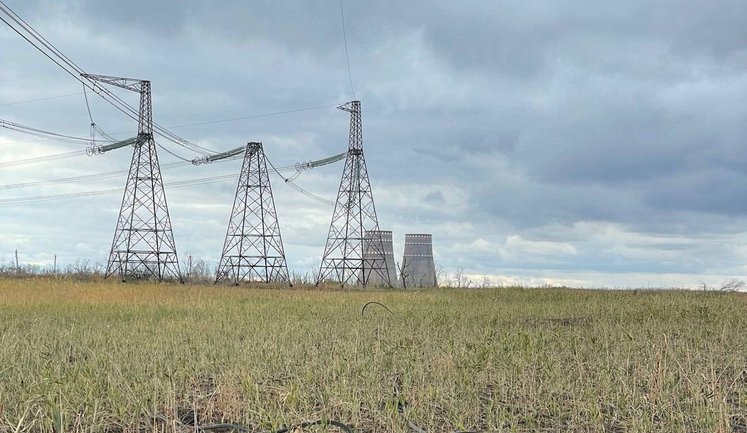
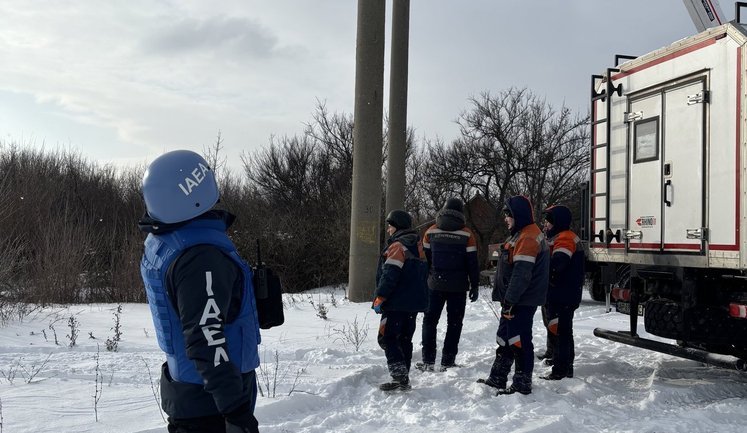
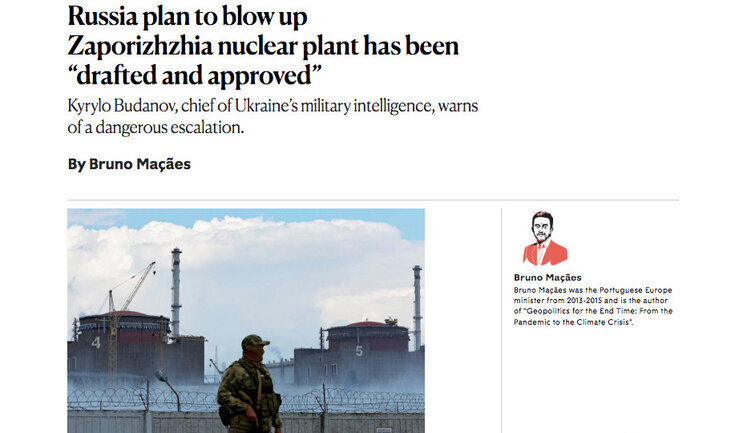
The ongoing issues surrounding the Zaporizhzhia Nuclear Power Plant highlight its geopolitical significance. Recently, a key power line failure has left the plant relying solely on backup power, raising nuclear safety concerns. Attempts at negotiation between Ukraine, Russia, and international bodies such as the IAEA, seek to address operational control and safety at the plant. Despite discussions on creating joint operational formats, proposals from Russia have been deemed unrealistic by Ukrainian authorities. Meanwhile, incidents of military presence and repair ceasefires in the region further complicate the plant's status. Ongoing international attention aims to resolve this critical situation.
What is the current power status at Zaporizhzhia NPP?
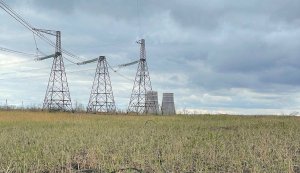
The Zaporizhzhia Nuclear Power Plant is currently relying on backup power due to a loss of a key power transmission line. This dependency poses a serious risk, as complete external power disconnection could lead to heightened nuclear safety hazards. International efforts are ongoing to restore stable power supply and secure the plant.
Has there been any military activity around Zaporizhzhia NPP?
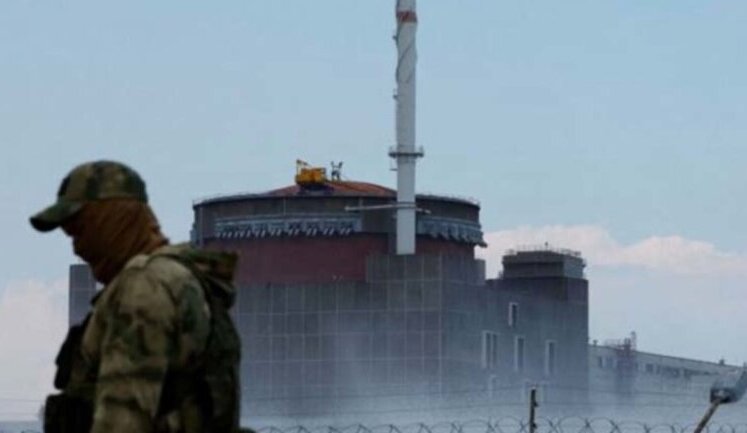
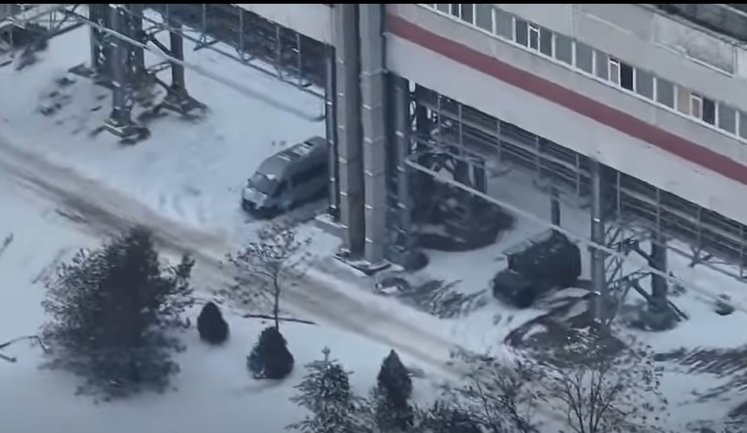
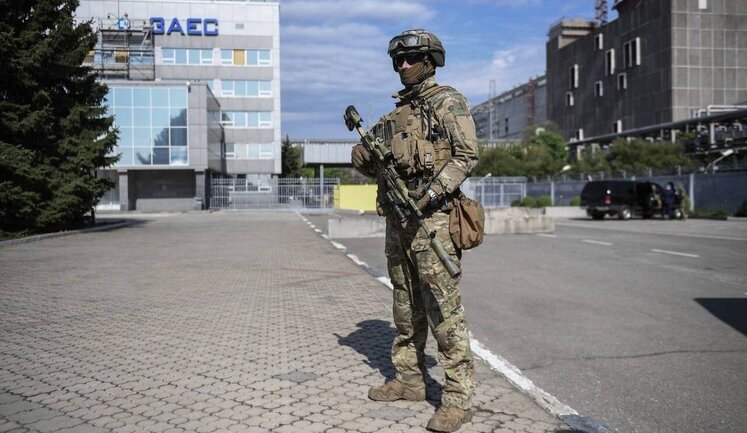
Military presence has been reported at the Zaporizhzhia Nuclear Power Plant, with claims of Russian forces placing equipment near reactors. This raises concerns under international humanitarian law and impacts nuclear safety assessments. The situation prompts calls for demilitarization from the international community.
What is the role of the IAEA in Zaporizhzhia NPP's situation?
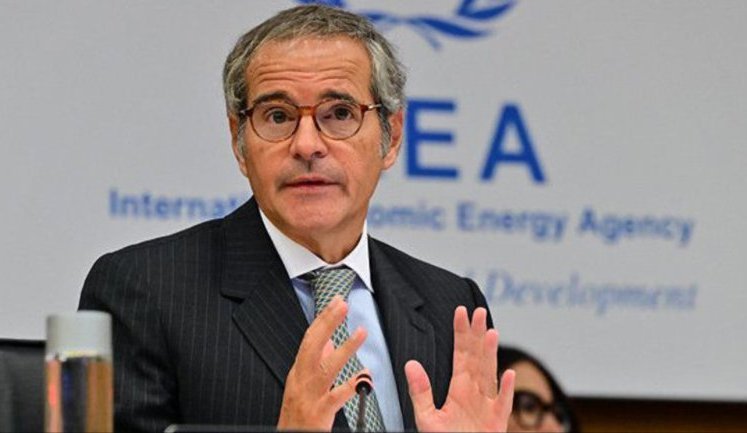
The International Atomic Energy Agency (IAEA) plays a crucial role in monitoring the Zaporizhzhia NPP, facilitating local ceasefires for repairs, and advocating for the plant's safe operation. Their efforts aim to stabilize power supply and ensure adherence to nuclear safety protocols amidst ongoing geopolitical tensions.
What proposals have been made regarding Zaporizhzhia NPP's operation?
Russia proposed joint operational frameworks for the Zaporizhzhia NPP, which have been deemed unrealistic by Ukraine. Negotiations involving international entities are exploring potential solutions, yet challenges remain due to political disagreements and conflicting interests in the region.
Is there any international effort to transfer control of the Zaporizhzhia NPP?
Discussions regarding the transfer of control have involved key international players, including proposals with the United States. However, no agreement has been reached due to differing national interests and the complex geopolitical environment. Diplomatic and technical negotiations continue as stakeholders seek a resolution.
How does the geopolitical context affect Zaporizhzhia NPP?
The geopolitical context significantly impacts the Zaporizhzhia NPP, as it sits at the heart of conflict between Ukraine and Russia. This has led to the plant's occupation by Russian forces, affecting control, safety, and operational capabilities. International negotiations focus on achieving peace and restoring stability at the site.
What are the safety concerns at the Zaporizhzhia NPP?
Safety concerns at the Zaporizhzhia NPP include reliance on backup power, military activities nearby, and restrictions preventing expert access. These factors compromise the plant's operational stability and increase the risk of nuclear incidents. International pressure aims to enhance safety measures and regain control.