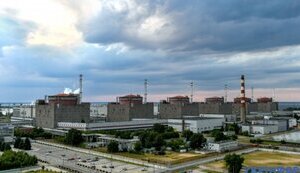
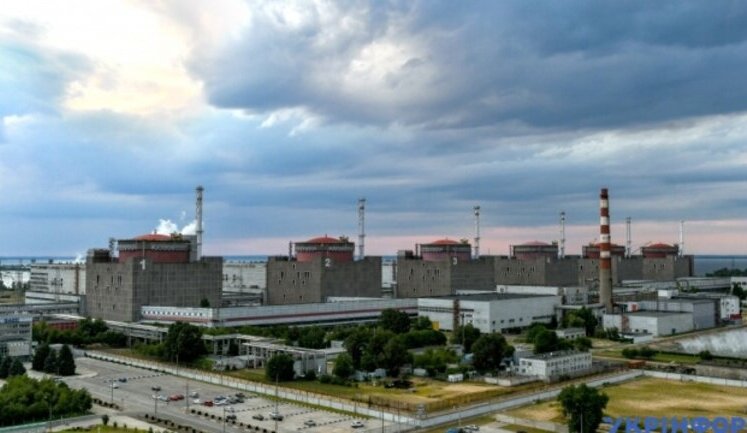
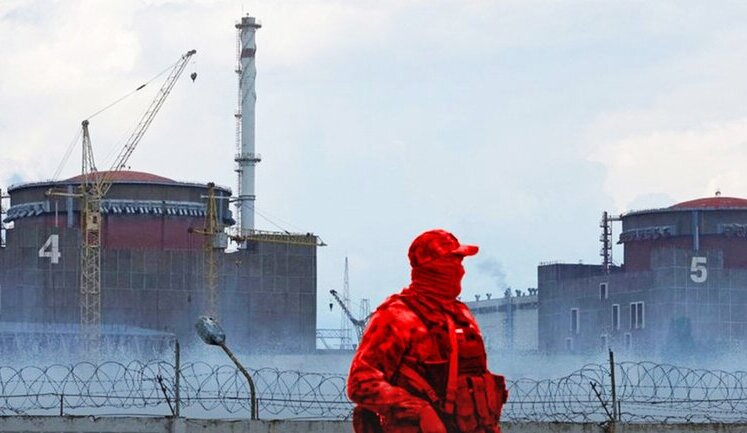
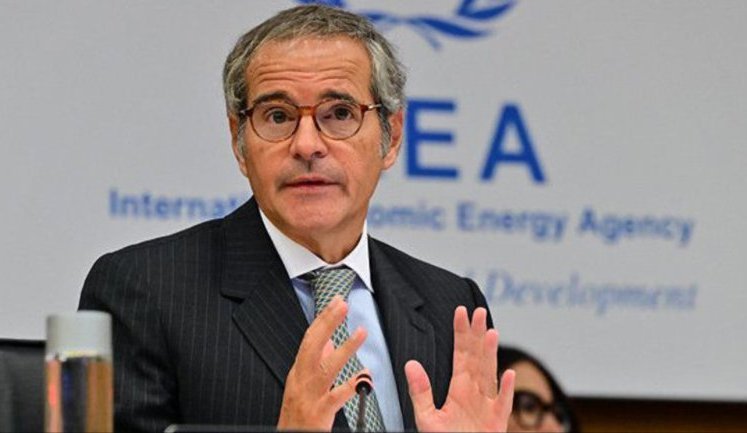
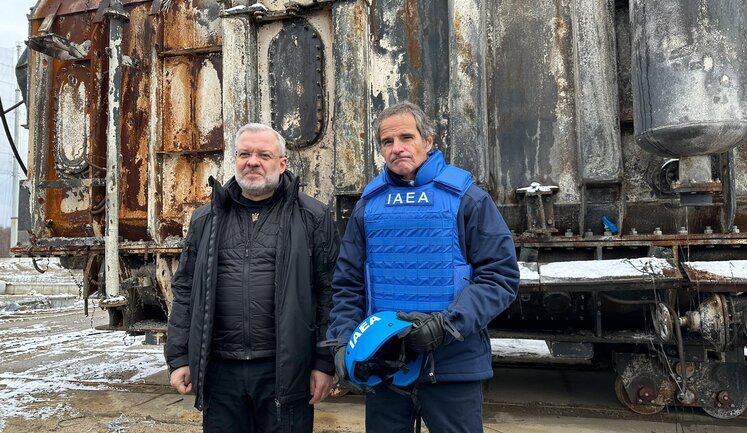
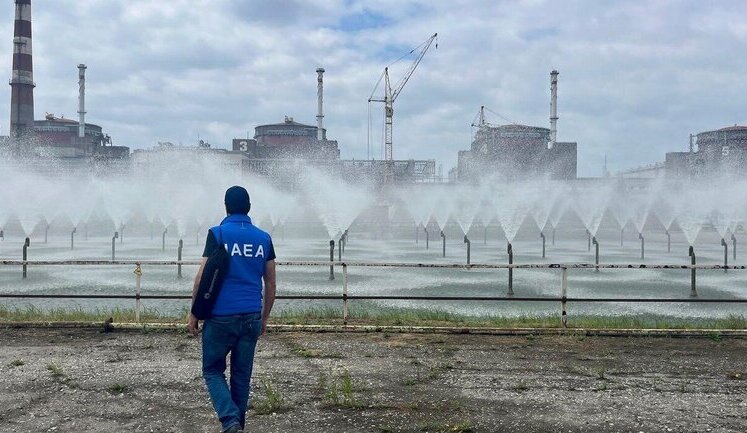
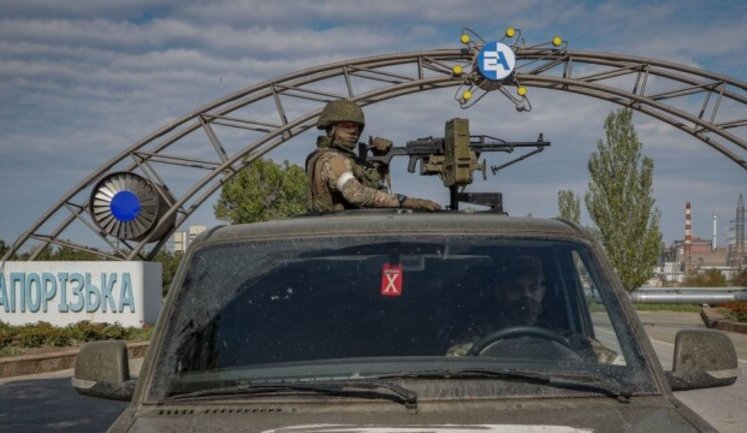
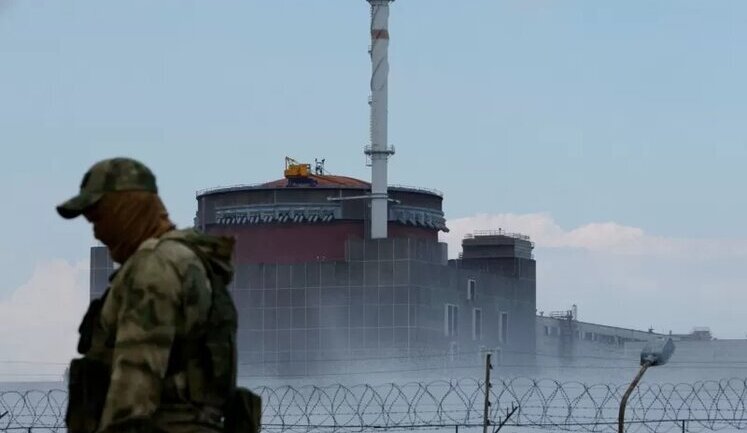
IAEA Director General Rafael Grossi has raised alarms about the current nuclear threat, marking it as the most severe since the Cold War. With escalating tensions, the Zaporizhzhia Nuclear Power Plant (ZNPP) remains a focal point due to its occupation and the ongoing conflict. The IAEA is rigorously monitoring conditions at ZNPP to mitigate potential risks. Additionally, over 160 UAV flights near South Ukraine, Chornobyl, and Rivne nuclear plants have heightened nuclear safety concerns. Collaboration between Ukraine and the IAEA is pivotal to ensure stability and prevent catastrophic incidents at these critical sites.
What actions is the IAEA taking at Zaporizhzhia NPP?
The IAEA is actively engaged in monitoring the Zaporizhzhia NPP to assess safety standards and potential risks. Rafael Grossi, the IAEA's Director General, emphasizes the need for continuous supervision and has coordinated several missions to ensure that the plant's condition is stable amidst the ongoing conflict. These efforts aim to prevent any nuclear incidents due to the plant's strategic vulnerabilities.
Why is Rafael Grossi concerned about Ukraine's nuclear safety?
Rafael Grossi of the IAEA is concerned about Ukraine's nuclear safety because recent military operations and infrastructure attacks pose significant risks to nuclear facilities. The Zaporizhzhia NPP, being occupied, faces direct threats, which could lead to severe consequences if not managed properly. Ensuring protective measures and maintaining power supplies are pivotal to safeguarding these facilities and preventing nuclear catastrophe.
How does UAV activity near nuclear plants affect safety?
Unmanned Aerial Vehicle (UAV) activity near nuclear plants can severely impact safety by potentially disrupting operations or causing security breaches. The IAEA has noted over 160 UAV flights near critical sites, making these operations a concern, as they may amplify vulnerabilities, increase the risk of accidents, and necessitate heightened alert and response strategies to protect sensitive nuclear infrastructures.
What measures has Ukraine taken to ensure nuclear safety?
Ukraine has implemented various measures to ensure nuclear safety, including the reduction of power at nuclear reactor units during hostilities to prevent accidents and collaboration with the IAEA for continuous monitoring and safety assessments. Significant emphasis is placed on protecting infrastructure, especially around the Zaporizhzhia NPP, which is at risk due to occupation and conflict-related damages to power lines and facilities.
What is the significance of Rafael Grossi's meetings with Ukrainian officials?
Rafael Grossi's meetings with Ukrainian officials are crucial for coordinating international efforts to maintain nuclear safety and stability amidst ongoing regional tensions. These discussions focus on ensuring the safety and operation of nuclear power plants, devising strategies for risk mitigation, and garnering support and collaboration from global nuclear safety communities to safeguard against potential accidents and security threats.
How does the current nuclear threat compared to the Cold War?
The current nuclear threat, as indicated by Rafael Grossi, is comparable to levels seen during the Cold War. The geopolitical tensions and active conflicts, particularly around nuclear sites, have re-escalated risks to a significant extent. This scenario involves potential threats from military actions affecting nuclear facilities, contributing to an environment where nuclear security is critically at risk and requiring urgent international attention and measures to prevent an incident.