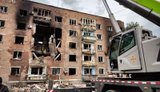
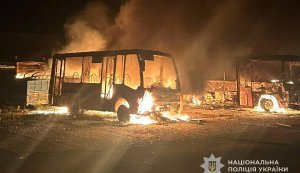
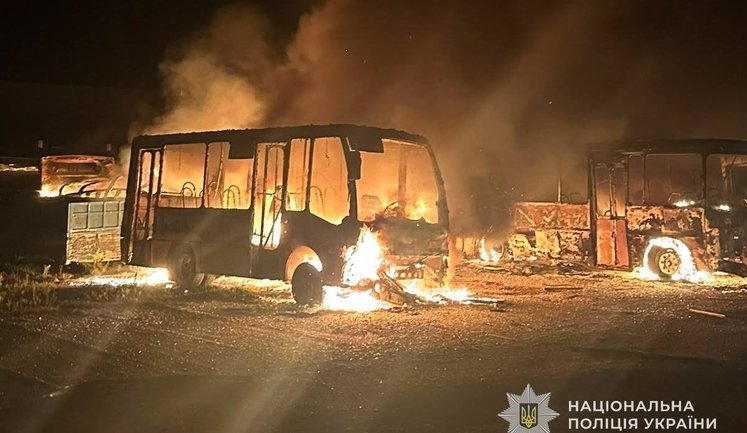
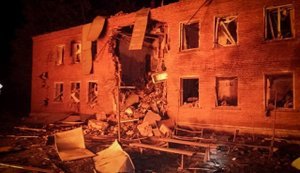
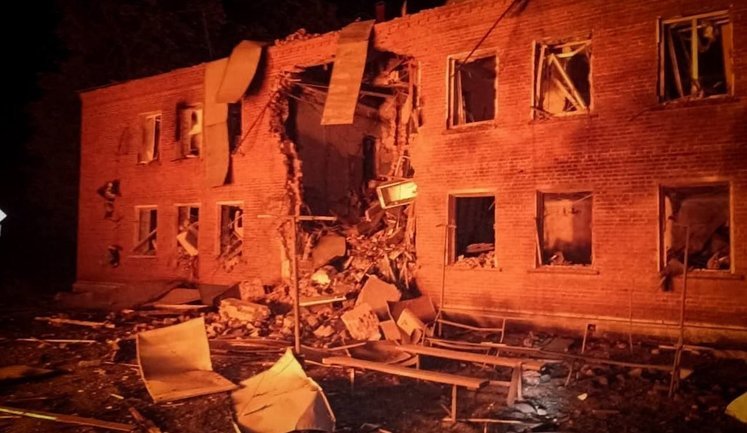
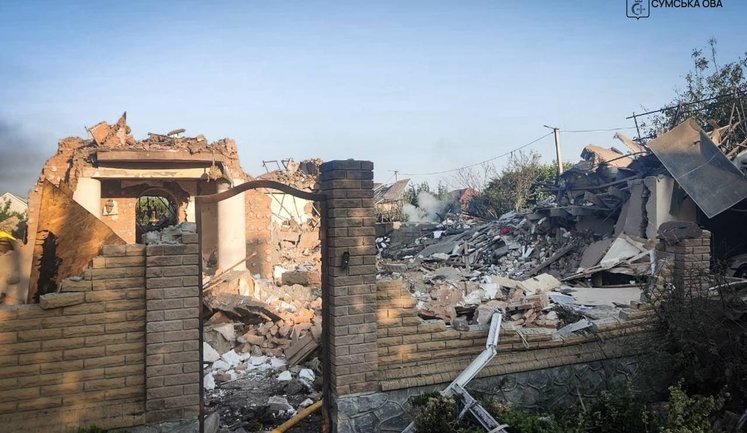
The city of Konotop in the Sumska region has been the target of numerous drone attacks by Russian forces, resulting in severe devastation to both civilian and critical infrastructure. Recent attacks have left parts of the city without gas and electricity, while others have led to significant damages to railways, hospitals, and homes. Civilians, including children and the elderly, have been injured, highlighting the dire situation for residents. Konotop's gas supply network has been repeatedly disrupted, prompting ongoing rescue and repair operations to manage the infrastructure crisis and human casualties in the region. The ongoing conflict has placed Konotop at the forefront of the war's impact in Ukraine.
What damage has been caused by the drone attacks on Konotop?
The drone attacks on Konotop have resulted in the destruction of critical infrastructure such as schools, hospitals, and the railway line. Additionally, many private homes and the gas distribution network have been severely affected, leaving significant portions of the city without essential services.
How have the attacks impacted the civilian population in Konotop?
The civilian population in Konotop has faced severe hardships due to these attacks. There have been multiple injuries, including a 14-year-old girl, and disruptions in essential services like gas and water supply. These attacks have increased the vulnerability and stress on residents living under constant threat.
What measures are being taken to support Konotop's residents after the attacks?
Efforts to support Konotop's residents include ongoing search and rescue operations, repair of damaged infrastructure, and relief measures to restore essential services. Local authorities and emergency services are actively working to address the immediate needs of affected individuals and families.
What is the frequency of drone attacks in Konotop?
Konotop has experienced a significant number of drone attacks over the past year. These attacks have been frequent and severe, consistently targeting critical infrastructure and civilian areas, leading to widespread disruption and suffering among the population.
Have there been any fatalities due to the strikes on Konotop?
Yes, there have been fatalities in Konotop due to Russian attacks. Several reports have highlighted casualties among civilians, including deaths caused by missile and drone strikes, underlining the grave impact of the ongoing conflict on human lives in the city.
How is the local government responding to the ongoing attacks in Konotop?
The local government has been actively responding to the crisis by coordinating rescue and repair operations, providing emergency services to those affected, and working to restore utilities disrupted by the attacks. Efforts are also directed towards enhancing the city's resilience under such hostile conditions.
What infrastructure in Konotop has been most affected by the attacks?
The most affected infrastructure in Konotop includes transportation networks such as railways, public service buildings like hospitals and schools, and utility services, notably the gas and electricity supplies, which have seen severe disruptions due to the repeated attacks.
Are there ongoing military operations in the Konotop area?
Yes, Konotop has been a focal point of military operations due to its strategic significance. The frequent attacks by Russian forces highlight the ongoing military engagements in the area, which involve both defensive and offensive operations by Ukrainian forces to reclaim and stabilize the region.
What challenges are faced by rescue teams in Konotop?
Rescue teams in Konotop face challenges such as ensuring safety amidst ongoing strikes, reaching affected areas quickly despite infrastructure damages, and providing immediate medical and logistical support to the injured and displaced residents, all while navigating a volatile security environment.
What has been the response of international bodies to the situation in Konotop?
International bodies have expressed concern over the situation in Konotop, highlighting the need for humanitarian aid and calling for an end to hostilities that affect civilian life. Efforts include diplomatic interventions and assistance through international relief organizations to support affected populations.