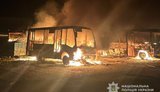
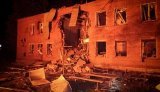
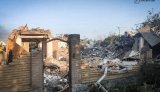
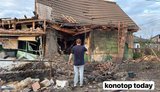
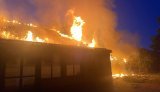
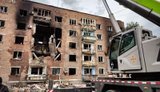
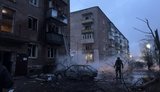
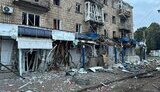
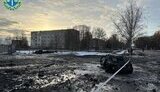
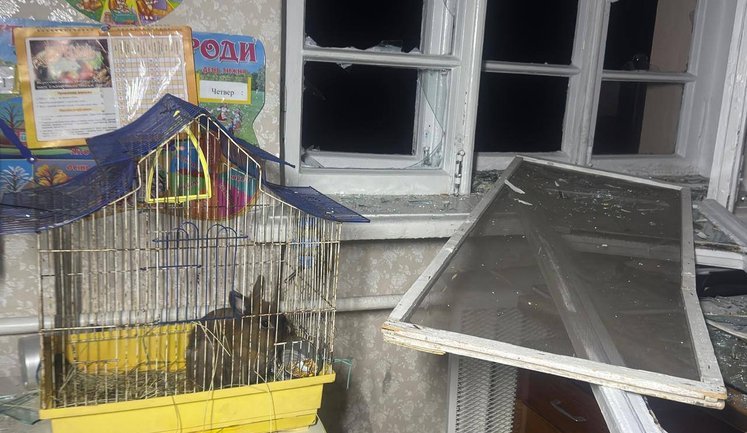
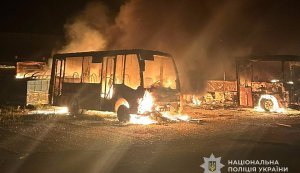
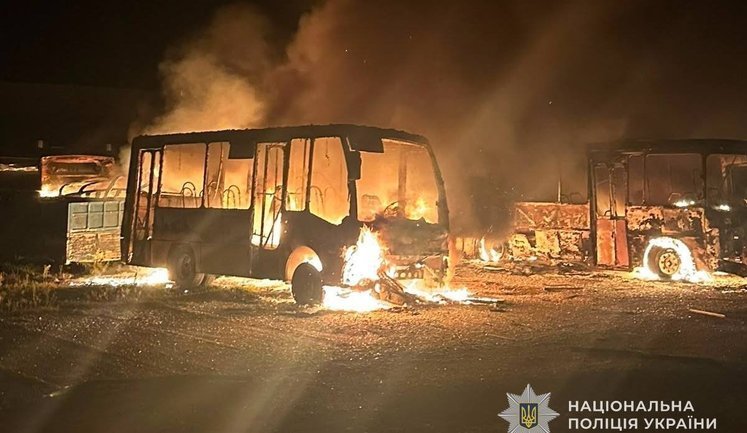
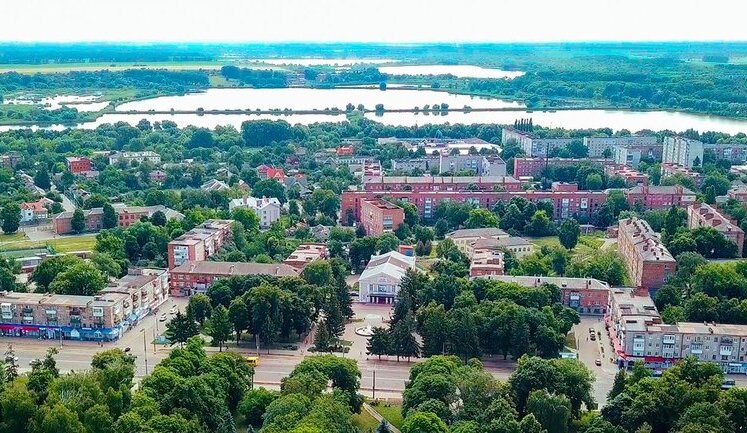
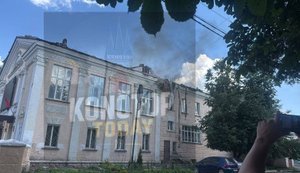
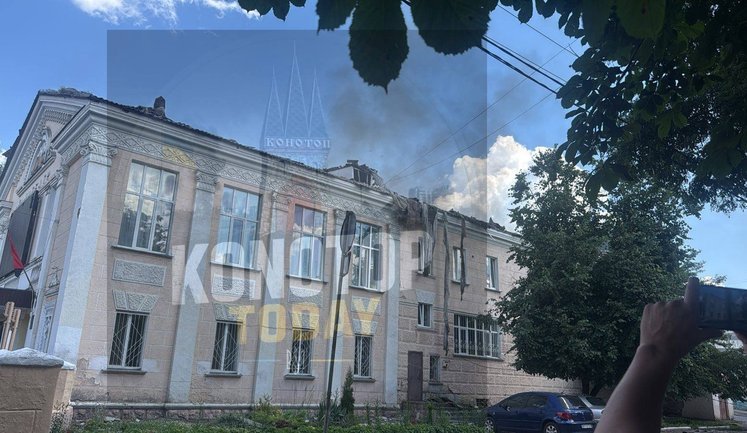
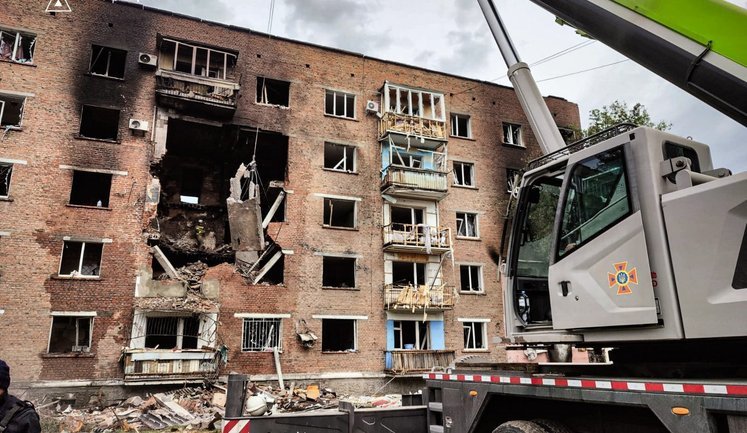
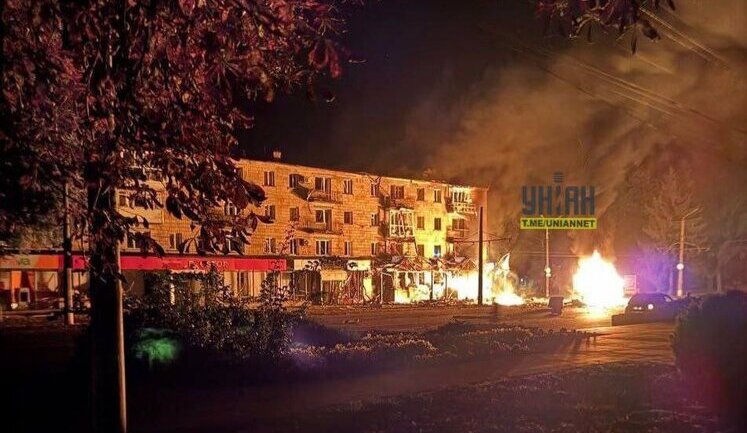
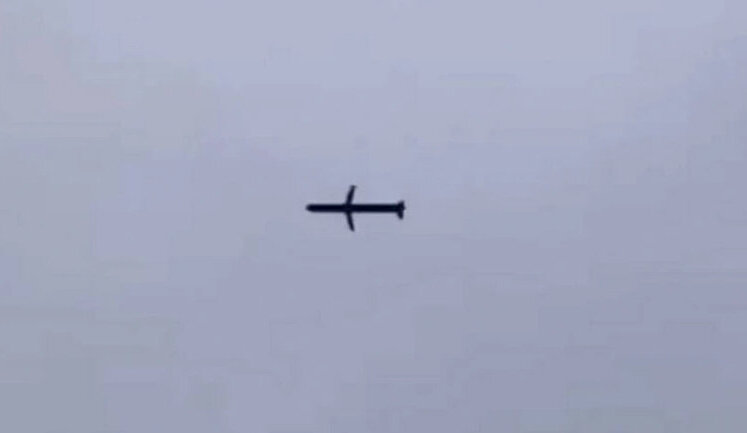
Konotop in the Sumy region of Ukraine has faced a series of attacks, predominantly by Russian forces using drones and missiles. Recent incidents include a strike on 25 August that left a 14-year-old girl injured, along with damage to civilian facilities and a disrupted gas supply. Another notable attack on 23-24 August caused destruction of the city’s vehicle fleet and severed gas service for most residents. Following these assaults, there are ongoing disruptions to power, water, and gas infrastructure. Authorities continue rescue operations and work to mitigate damage caused by repeated strikes, ensuring the safety and recovery of affected areas.
How have recent attacks impacted Konotop's infrastructure?
Recent attacks in Konotop have severely disrupted essential infrastructure, with significant damage to civilian facilities, the railway network, and critical services such as gas and water supply, resulting in widespread outages and a challenging recovery process.
What are the primary methods of attack on Konotop?
Konotop has predominantly been targeted by Russian forces using drones, including the Shahed models, and missile strikes, causing considerable destruction to both civilian and industrial infrastructure over recent months.
What is the current humanitarian situation in Konotop?
The humanitarian situation in Konotop remains precarious, with ongoing rescue operations for injured civilians, challenges in restoring essential services like electricity and water, and sustained efforts to aid those affected by the conflict.
How has the local community responded to the attacks in Konotop?
The community in Konotop has shown resilience, rallying to support one another while local authorities coordinate rescue efforts and work to repair crucial infrastructure to ensure a swift recovery and maintain public morale amidst ongoing threats.
What measures are being taken to protect civilians in Konotop from future attacks?
Civil defense measures are being emphasized, including the development of emergency response plans, construction of shelters, and increasing awareness campaigns for civilians to better prepare and respond to potential future threats in Konotop.
Are there international efforts to support Konotop and its residents?
International aid organizations are mobilizing resources to provide humanitarian assistance, including medical supplies and basic necessities, while diplomatic efforts aim to highlight and address the ongoing crisis affecting the residents of Konotop.
What role do the local authorities play in post-attack recovery in Konotop?
Local authorities in Konotop play a crucial role in coordinating emergency services, facilitating the repair of damaged infrastructure, and supporting residents by providing updates and necessary resources to help restore normalcy in the aftermath of attacks.
How do the attacks on Konotop affect the wider Sumy region?
The attacks on Konotop have a ripple effect across the wider Sumy region, straining regional resources, impacting nearby communities with infrastructure damage, and necessitating broader security and recovery measures to stabilize the area.
What is the historical context behind the attacks on Konotop?
The attacks on Konotop can be seen as part of the broader conflict between Russia and Ukraine, with the region's strategic location making it a focal point for hostilities, and reflecting ongoing tensions in territories near the international border.
What are the long-term implications of continued attacks on Konotop?
Sustained attacks on Konotop pose long-term implications, potentially resulting in demographic changes as people seek safety elsewhere, persistent economic challenges due to continuous infrastructure damage, and a protracted recovery process as efforts focus on rebuilding the heavily impacted community.