ENG




16288 visitors online
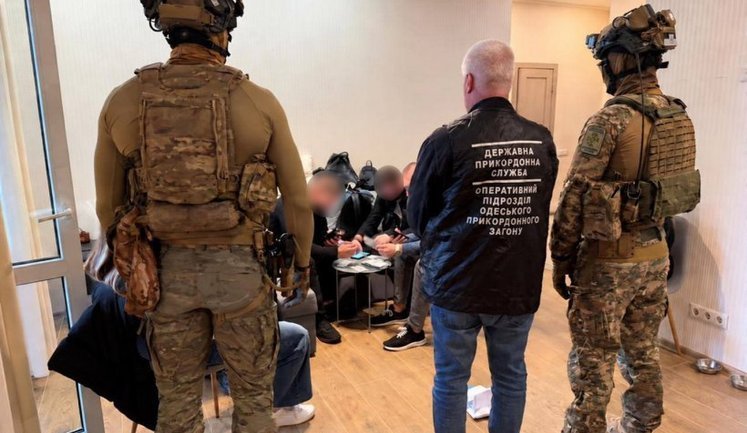
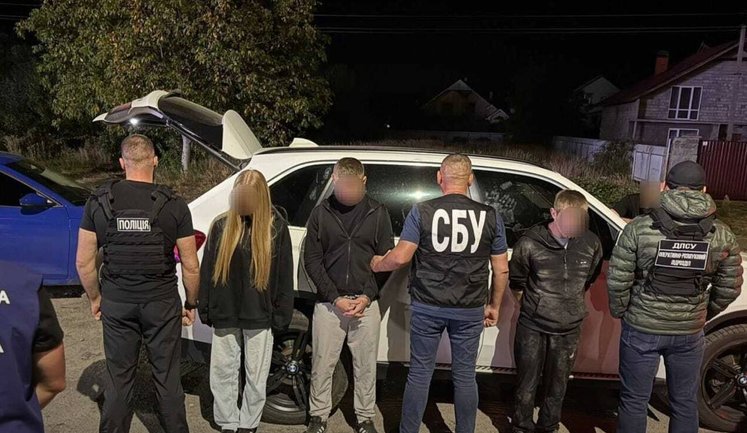
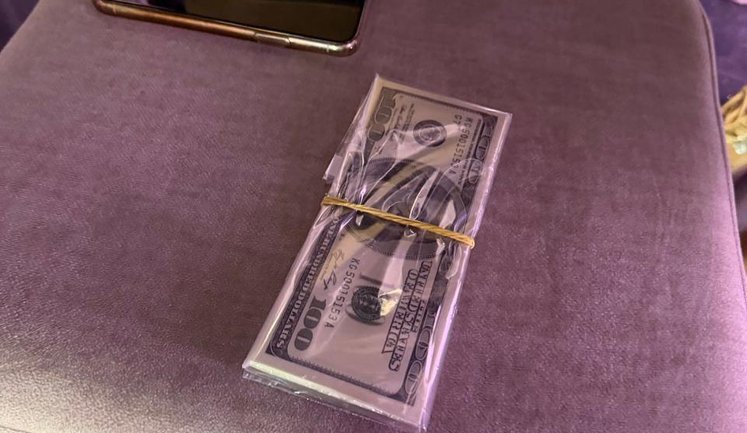
In Ukraine, a comprehensive crackdown on illegal smuggling networks has been successful in exposing numerous schemes designed to help evade the draft. Police and border guards, employing collaborative efforts from regional authorities and national security bodies, have apprehended numerous individuals involved in this clandestine activity. For instance, in the Sumy region, a network was discovered charging $120,000 to facilitate emigration under the guise of familial exemptions. Similar operations were uncovered in Kyiv, Odesa, and the Carpathians. These efforts reflect a growing determination to close loopholes that these smugglers exploit, charging hefty sums in exchange for aiding illegal border crossings.
What methods do smugglers use to evade border controls?
Smugglers employ various methods to bypass border controls, including fake documentation, posing as professionals, and exploiting familial exemption claims. They often coordinate with multiple accomplices and leverage less monitored border areas.
How effective are the recent crackdowns on smuggling networks?
The recent crackdowns have been notably effective, resulting in numerous arrests and the dismantling of significant parts of these smuggling networks. These efforts have involved collaboration between local law enforcement, national security agencies, and international partners.
Why is there a demand for smuggling services in Ukraine?
The demand stems largely from men seeking to evade conscription during ongoing conflicts. Economic burdens and the desire to escape potential combat situations further motivate individuals to seek such services despite the associated risks.
What legal actions are taken against individuals caught smuggling draft evaders?
Individuals involved in smuggling operations face severe legal consequences, including criminal charges, fines, and imprisonment. Coordinated investigations often lead to comprehensive legal proceedings against organized networks and their key figures.
How do authorities identify and track smuggling networks?
Authorities utilize intelligence from ongoing investigations, technological surveillance, and tips from local informants to identify and dismantle smuggling networks. International cooperation is also a critical component in tracking cross-border operations.
What are the financial implications for those using smuggling services?
The financial cost for using smuggling services is significant, often reaching tens of thousands of dollars. These costs reflect not only the risk involved but also the organized nature of these illegal activities that promise an escape from military service.
Have these smuggling schemes impacted Ukraine's international relations?
Yes, these schemes can strain international relations, especially with border-sharing nations. They necessitate diplomatic and cooperative enforcement efforts to manage and mitigate cross-border crime effectively.
What preventive measures are being taken to deter smuggling activities?
Preventive measures include increased border surveillance, international cooperation for intelligence sharing, and public awareness campaigns highlighting the legal risks and potential consequences of engaging in or abetting such illegal activities.
w117_header_alt Smugglers of draft evaders exposed
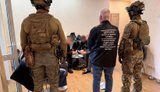 Disability status for $8,500: scheme to smuggle draft dodgers abroad with help of doctors was uncovered in Odesa. PHOTOS In Odesa, law enforcement officers have uncovered a scheme involving the illegal departure of conscripts abroad through the use of forged disability documents. 564 13 Previously in trend: Smugglers of draft evaders exposed Illegal border crossing
 For $7,000 to Slovakia: border guards in Zakarpattia have uncovered illegal smuggling ring. PHOTOS Operational staff from the Chop Border Guard Detachment uncovered and dismantled a network involved in the illegal smuggling of people across the Ukrainian-Slovak border. 1 291 1 Previously in trend: Smugglers of draft evaders exposed Illegal border crossing
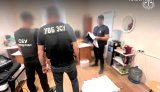 Two military personnel in Zakarpattia were caught attempting to smuggle man abroad in official vehicle for 14,000 euros – prosecutor’s office. PHOTOS Two servicemen have been exposed in Zakarpattia for attempting to illegally smuggle a man liable for military service abroad. 1 851 7 Previously in trend: Smugglers of draft evaders exposed
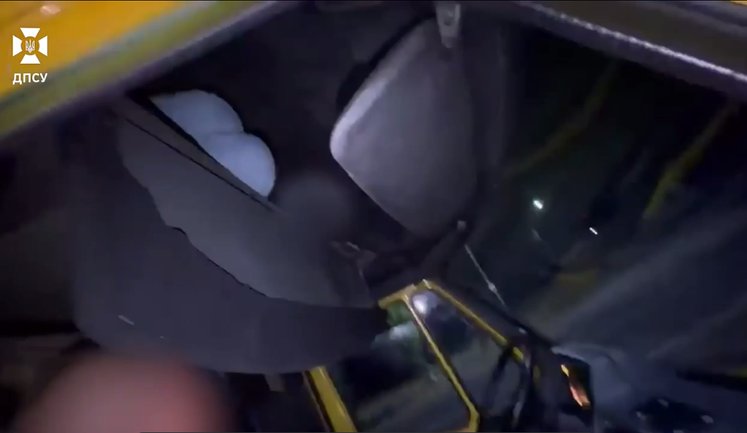
 €10,000 to escape: smuggler who hid draft evaders under car roof detained in Mykolaiv region. VIDEO In the Mykolaiv region, border guards, in collaboration with the Security Service of Ukraine (SSU) and the National Police, have uncovered a network involved in the illegal smuggling of conscripts to Romania. For €10,000, the organiser hid his ‘clients’ in a specially fitted compartment under... 6 165 8 Previously in trend: Smugglers of draft evaders exposed
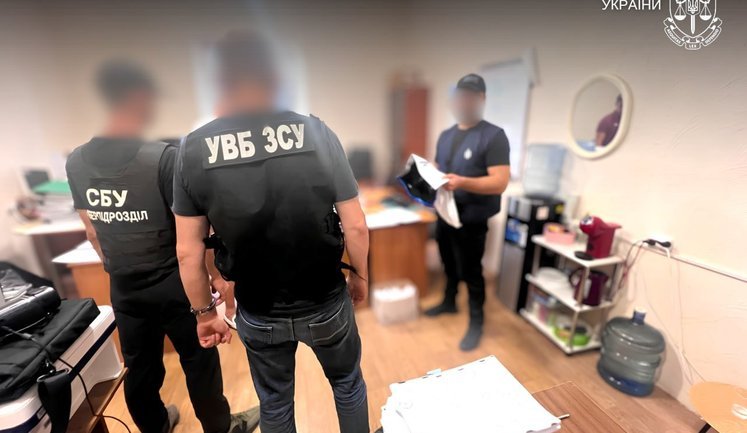
 SSU, State Bureau of Investigation and National Police have uncovered 10 schemes to evade mobilisation in five regions. PHOTOS Law enforcement officers have dismantled a further 10 schemes for evading military service in various regions of Ukraine and arrested 13 organisers. The cost of these ‘services’ ranged from 2,500 to 30,000 US dollars. 3 926 11 Previously in trend: Smugglers of draft evaders exposed Evasion from mobilization
 €10,000 for illegally crossing border: participant in criminal scheme has been detained in Bukovyna. PHOTOS In Bukovyna, border guards, together with the police and special forces from ‘Dozor’, have detained a participant in a scheme to smuggle men across the border. 984 7 Previously in trend: Smugglers of draft evaders exposed Illegal border crossing
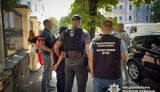 "Father of many children" for 120,000 hryvnias: scheme for illegal emigration exposed in Sumy region. PHOTO In the Sumy region, police have uncovered a scheme involving the illegal smuggling of men across the state border under the guise of the ‘father of many children’ scheme. 1 462 12 Previously in trend: Smugglers of draft evaders exposed Evasion from mobilization
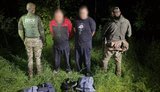 Illegal border crossing attempts have decreased compared with previous years – SBGS There is currently a trend toward a decrease in attempts to illegally cross the border from Ukraine compared with previous years. 834 8 Previously in trend: Draft evaders smuggling across the border Smugglers of draft evaders exposed Detention of draft dodgers at the border
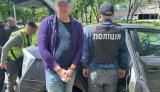 For $10,000 bypassing checkpoints: serviceman in Kyiv tried to smuggle acquaintance to Moldova. PHOTOS In Kyiv, law enforcement officers exposed and detained a serviceman who had organized a scheme to illegally smuggle men of conscription age across Ukraine’s state border. 792 14 Previously in trend: Smugglers of draft evaders exposed
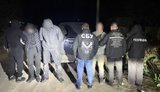 Transfer to border for $13,000 blocked: three participants in scheme detained in Odesa region. PHOTOS Operatives from the Odesa Border Guard Detachment, in cooperation with the Security Service of Ukraine (SSU) and the National Police, have shut down yet another channel for the illegal smuggling of men of draft age across the state border. The security services have detained the co-organizer of... 528 0 Previously in trend: Smugglers of draft evaders exposed Illegal border crossing
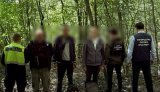 With "international police" badges and for $26,500: people smugglers detained on Slovak border. PHOTOS Operatives of the Chop Border Detachment, working together with National Police officers, have dismantled a stable and extensive illegal migration route. 2 395 6 Previously in trend: Smugglers of draft evaders exposed Illegal border crossing
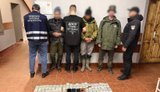 In highlands of Carpathians, border guards detained two smugglers with client. PHOTOS Two residents of Zakarpattia, who attempted to smuggle a 29-year-old man from the Kyiv region into Romania, were detained by border guards from the "Dilove" unit and the "Dozor" special unit. 1 709 9 Previously in trend: Smugglers of draft evaders exposed Illegal border crossing
 Smuggled conscripts across the border for $25,000: suspect notified of charges. PHOTO In the Kyiv region, law enforcement officers have uncovered the organiser of an illegal scheme to smuggle men of conscription age across the state border. The perpetrator charged 25,000 dollars for his ‘services’. 885 3 Previously in trend: Smugglers of draft evaders exposed
 SSU, State Bureau of Investigation and National Police have uncovered 8 schemes to evade mobilisation. PHOTOS The Security Service of Ukraine, the State Bureau of Investigation and the National Police have uncovered eight new schemes to evade conscription and detained the organisers of these schemes in a number of regions. According to the investigation, for sums of up to 25,000 US dollars, the... 1 376 20 Previously in trend: Smugglers of draft evaders exposed Evasion from mobilization
 In Odesa region, border guards have uncovered channel for illegal smuggling of people across border. PHOTOS Operatives from the Internal and Own Security Department of the Bilhorod-Dnistrovskyi Border Guard Detachment, working alongside police officers, have uncovered a network involved in the illegal smuggling of men liable for military service across the state border into Moldova. 911 5 Previously in trend: Smugglers of draft evaders exposed
 Organised illegal departure of conscripts abroad: district council deputy in Zakarpattia has been exposed, - Office of Prosecutor General. PHOTOS A member of the Tiachiv District Council in Zakarpattia Oblast has been caught organising the illegal smuggling of people across Ukraine’s state border. 1 397 1 Previously in trend: Smugglers of draft evaders exposed
 $12,000 for ’disability’ and attempt to avoid actual service for money: border guard to stand trial. PHOTOS Officers from the State Bureau of Investigation, in cooperation with the State Border Guard Service, have concluded a pre-trial investigation into a border guard from the Dnipropetrovsk region. 1 023 1 Previously in trend: Mobilization evasion Smugglers of draft evaders exposed
 In Sumy region, law enforcement officers have uncovered yet another illegal scheme for travelling abroad. PHOTOS Under the procedural supervision of the Sumy Regional Prosecutor’s Office, a 46-year-old resident of Konotop has been notified of her status as a suspect for facilitating the illegal smuggling of conscripts across Ukraine’s state border. 1 152 7 Previously in trend: Draft evaders smuggling across the border Smugglers of draft evaders exposed
 She registered men as members of music bands: organiser of illegal border crossing scheme exposed. PHOTOS A Ukrainian citizen who organised a scheme to smuggle men of conscription age across the state border has been served with a notice of suspicion. 3 064 28 Previously in trend: Smugglers of draft evaders exposed Evasion from mobilization
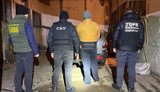 In Vinnytsia region, scheme for smuggling men across Dniester for $6,000 exposed. PHOTO Operatives of the Mohyliv-Podilskyi border guard detachment have exposed a channel for the illegal smuggling of conscription-age individuals across the state border. 1 270 0 Previously in trend: Smugglers of draft evaders exposed
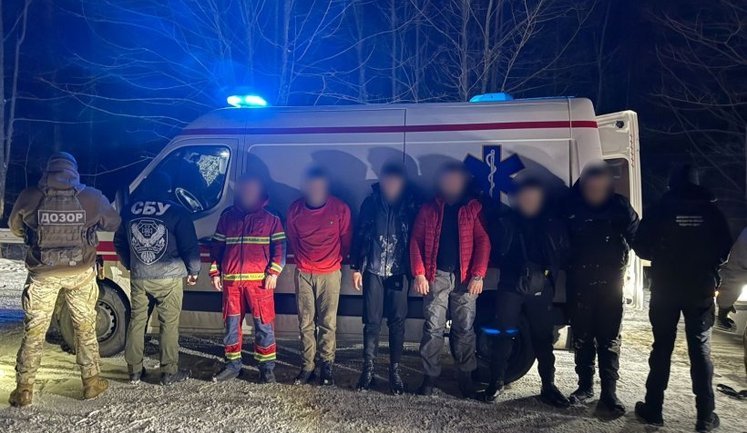
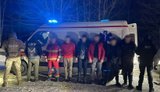 "Ambulance" to border: border guards in Bukovyna uncovered new scheme for smuggling men. VIDEO Recently, officers from the operational unit of the Chernivtsi border guard detachment uncovered a new scheme for illegally transporting Ukrainian citizens of conscription age abroad. 2 421 19 Previously in trend: Draft evaders smuggling across the border Smugglers of draft evaders exposed
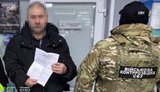 For $12–18,000, they offered forged documents or helped flee abroad: new draft evasion schemes dismantled – SSU. PHOTOS The Security Service and National Police uncovered four new schemes for evading mobilisation and detained the organisers of the schemes in various regions of Ukraine. 1 928 17 Previously in trend: Smugglers of draft evaders exposed Evasion from mobilization
 Channel for smuggling draft evaders via mountain trails to Romania uncovered: five organisers detained. VIDEO Employees of the State Bureau of Investigation are investigating the illegal transfer of men of conscription age across the state border of Ukraine. 2 817 8 Previously in trend: Smugglers of draft evaders exposed Detention of draft dodgers at the border
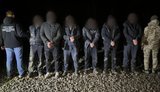 Foreign guide with "clients" was detained near border with Hungary with warning shots fired, - State Border Service of Ukraine. VIDEO+PHOTOS Border guards from the Mukachevo detachment detained a group of men who were attempting to illegally enter Hungary. Their foreign guide was taken into custody. 3 331 3 Previously in trend: Smugglers of draft evaders exposed Detention of draft dodgers at the border
 Lieutenant colonel of State Border Guard Service and his brother from Russian Federation took more than 70 conscripts abroad. VIDEO The Prosecutor General's Office continues to expose schemes for illegally transporting men of conscription age abroad. 6 964 27 Previously in trend: Smugglers of draft evaders exposed
 $10,000 for fake military medical commission: head of public organization detained in Kyiv. PHOTO Kyiv police officers exposed the head of a public organisation who promised men that she would "resolve the issue" of their unsuitability for service for $10,000. 2 649 4 Previously in trend: Smugglers of draft evaders exposed
 Over UAH 5.8 mln for mobilization evasion: smuggling channels for military-age men uncovered in three regions. VIDEO Prosecutors, together with law enforcement agencies, uncovered a number of schemes related to mobilization evasion and the illegal smuggling of military-age men across Ukraine’s state border. 1 904 15 Previously in trend: Smugglers of draft evaders exposed Evasion from mobilization
 10,000 euros for "services": border guards uncover scheme involving illegal border crossings. PHOTOS A border patrol detained three residents of Kyiv and Vinnytsia regions as they attempted to illegally cross Ukraine’s border with Romania in the area overseen by the Hertsa border unit of the Chernivtsi Border Detachment. 1 089 3 Previously in trend: Smugglers of draft evaders exposed Detention of draft dodgers at the border
 Man detained in Volyn region for smuggling people across border for $11,500 – SBGS. PHOTOS Operatives of the Volyn Border Guard Detachment exposed a 46-year-old resident of Rivne involved in illegally smuggling people across Ukraine’s state border outside official checkpoints. 1 140 14 Previously in trend: Smugglers of draft evaders exposed
 Illegal border crossing scheme exposed: deputy mayor involved – SBGS. PHOTOS Border guards detained a Ukrainian citizen who was trying to smuggle goods from Ukraine to Moldova bypassing checkpoints at the Sokyriany department in Chernivtsi region. 2 238 3 Previously in trend: Smugglers of draft evaders exposed
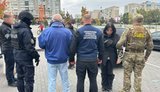 Fictitious marriages for $25,000: group that smuggled men across border was exposed in Volyn, - State Border Guard Service. PHOTOS In Volyn region, operatives exposed a criminal group that organised the trafficking of men abroad under the guise of fake marriages. 1 438 3 Previously in trend: Smugglers of draft evaders exposed
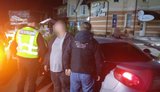 Two men detained in Volyn region for facilitating illegal transfer of persons across border. PHOTOS Operatives of the 9th Border Detachment named after the Sich Riflemen detained two offenders near the city of Novovolynsk as they were transporting a man of conscription age to the border area with the intention of illegally smuggling him across the border. 942 1 Previously in trend: Smugglers of draft evaders exposed
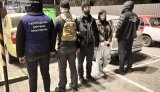 Organizers of the transfer of conscripts will be tried in Zakarpattia: 17 participants exposed. PHOTOS The prosecutor's office brought cases against 17 people who tried to smuggle more than 18 men of military age across the border. They wanted to receive more than $73,000 for their services. 1 603 10 Previously in trend: Draft evaders smuggling across the border Smugglers of draft evaders exposed Illegal border crossing
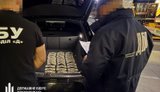 SBI, together with SSU, has uncovered corruption schemes on border with Slovakia and Hungary. PHOTO In Zakarpattia, officers of the State Bureau of Investigation, the Security Service of Ukraine, and the Border Guard Internal Security Department disrupted illegal schemes to smuggle draft-age men across the border. 3 581 4 Previously in trend: Smugglers of draft evaders exposed
 Channel for illegal transportation of Ukrainians in locomotives exposed in Poland Polish border guards from Medyka in the Podkarpackie region, together with the police, have shut down a channel for the illegal transport of Ukrainian men to Poland. 2 392 3 Previously in trend: Smugglers of draft evaders exposed
 SSU and National Police dismantled six more "evasion schemes" in Ukraine: 8 organizers of schemes detained. PHOTOS The Security Service and National Police have dismantled six new schemes for evading mobilization in Ukraine and detained eight organizers of the schemes. 1 907 13 Previously in trend: Smugglers of draft evaders exposed
 Organized group of officers, servicemen and civilians exposed in Odesa region for smuggling draft-age persons across border. PHOTO A scheme for the illegal smuggling of persons liable for military service across the state border of Ukraine has been exposed. 1 332 6 Previously in trend: Smugglers of draft evaders exposed
 Five men detained for organizing draft evasion schemes - SSU. PHOTOS The Security Service of Ukraine (SSU), together with the National Police, uncovered new schemes of draft evasion across various regions of the country. 1 580 5 Previously in trend: Smugglers of draft evaders exposed
 Smugglers detained in Zakarpattia for transporting draft dodger to Hungary for $5,500 – State Border Guard Service. PHOTOS In Zakarpattia, border guards, together with the Security Service of Ukraine (SSU) and the Uzhhorod District Prosecutor’s Office, uncovered a channel for illegally smuggling draft-age men across the border into Hungary. 1 289 14 Previously in trend: Smugglers of draft evaders exposed
 Serviceman detained for smuggling draft dodgers to Slovakia for $5,000. PHOTOS A 36-year-old serviceman has been officially charged with organizing the illegal transfer of individuals across the state border of Ukraine (Part 3, Article 332 of the Criminal Code of Ukraine). 1 405 6 Previously in trend: Smugglers of draft evaders exposed
 Trading in fake medical certificates, "rear" positions and escape routes to EU: 14 organisers of schemes for draft dodgers detained - SSU. PHOTOS Eight new schemes of mobilisation evasion have been eliminated in different regions of Ukraine, and 14 organisers of the schemes have been detained as a result of comprehensive measures. 1 302 2 Previously in trend: Smugglers of draft evaders exposed forgery of documents
 $18,500 to smuggle men abroad: scheme uncovered in Lviv region – SBGS. PHOTOS Border guards, together with the National Police and Migration Police, under the procedural guidance of the Sambir District Prosecutor’s Office, dismantled a channel for illegal exit of citizens from Ukraine. 3 075 15 Previously in trend: Smugglers of draft evaders exposed
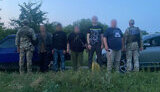 Conscription smuggling abroad for $15,000: Group detained in Odesa region, says SBGS. PHOTO Near a village in Podilsk district, Odesa region, border guards of the Podilsk Detachment detained four individuals traveling in two vehicles toward the Transnistrian section of the Ukrainian-Moldovan border. 1 251 5 Previously in trend: Smugglers of draft evaders exposed
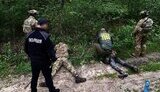 To EU for $14,000: illegal channel to smuggle men abroad uncovered in Rivne region – SBGS. PHOTOS Border guards, in cooperation with police in Rivne region, have exposed a scheme for the illegal smuggling of military-age men out of Ukraine. 1 042 3 Previously in trend: Smugglers of draft evaders exposed
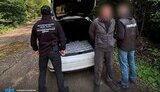 Zakarpattia resident smuggled draft dodgers to Romania for $9,500 detained According to the investigation, a 51-year-old local resident established a persistent channel for illegally smuggling draft-age men across Ukraine’s state border, bypassing official checkpoints. 930 3 Previously in trend: Smugglers of draft evaders exposed
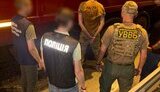 Escape of men to Moldova for $10,000: smuggling ring busted in Odesa region – SBGS. PHOTOS Border guards and law enforcement officers have dismantled a criminal group that was organizing the illegal departure of draft-age men from Ukraine to Moldova. 1 491 2 Previously in trend: Smugglers of draft evaders exposed
 Fake documents for $11,000: Channel for smuggling draft dodgers abroad dismantled in Lviv region – SBGS. PHOTOS In Lviv region, border guards, in cooperation with police officers and under the procedural supervision of the Zhovkva District Prosecutor’s Office, dismantled a channel used to illegally smuggle men abroad during martial law. 2 034 2 Previously in trend: Smugglers of draft evaders exposed
 Smuggling draft dodgers to EU for $15,000: Scheme exposed in Volyn – SBGS. PHOTOS Law enforcement officers have detained a 44-year-old resident of Lutsk who organized an illegal channel for smuggling military-aged men abroad. 1 197 1 Previously in trend: Smugglers of draft evaders exposed
Page 1 of 2
more news