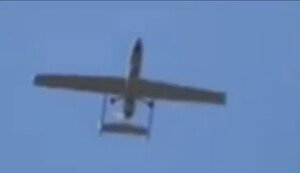
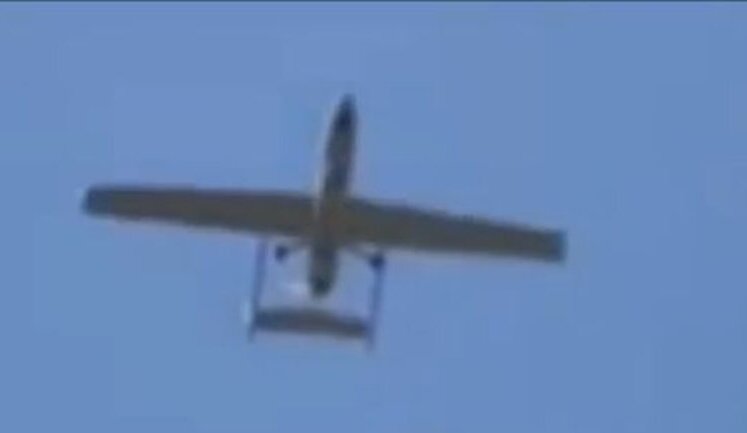
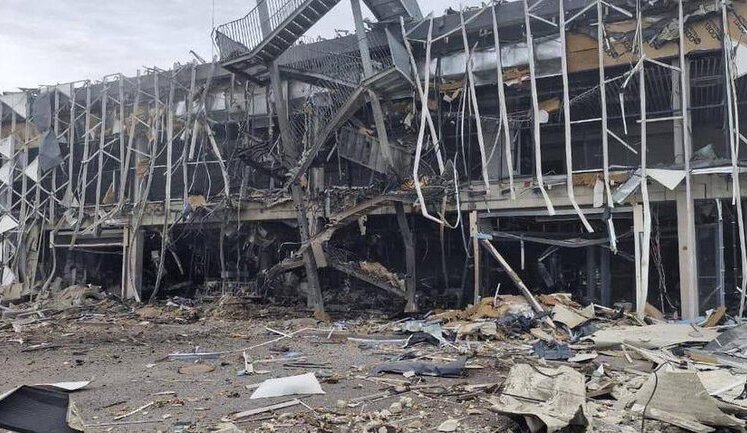
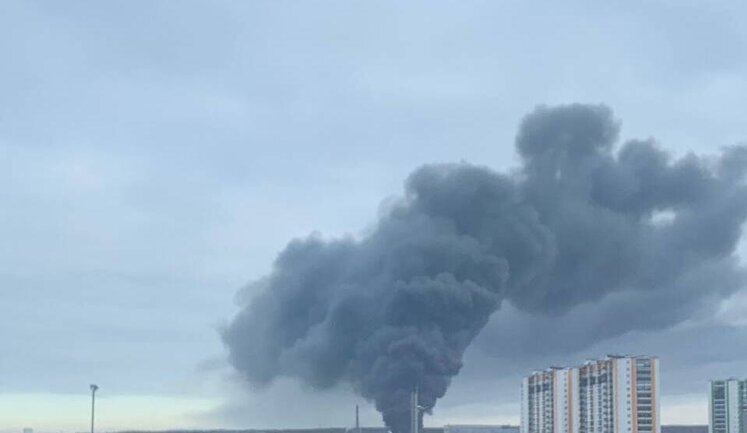
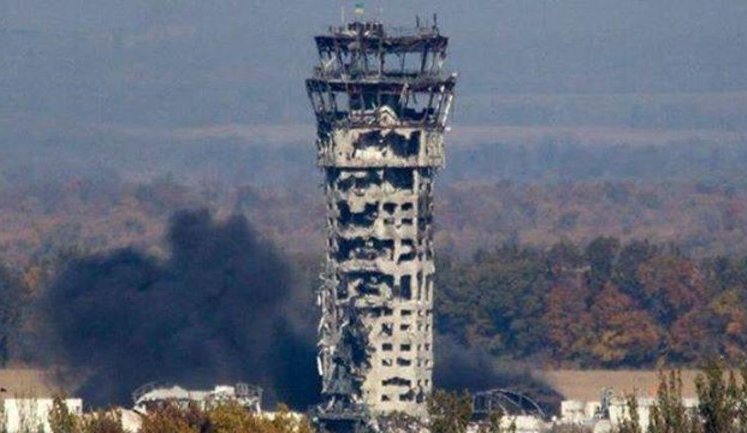
Airports worldwide face increasing threats from unauthorized drone activity, causing significant disruptions. Recently, Vilnius Airport was forced to close temporarily due to a drone sighting that remains unresolved. Munich Airport experienced a similar alarm when unidentified drones caused a temporary halt in operations. These incidents highlight the ongoing challenges airports encounter in ensuring airspace security. As drones become more prevalent, governments and airport authorities are urged to implement stricter regulations and employ advanced technology to detect and neutralize potential threats. Ensuring passenger safety while minimizing operational disruptions is a top priority.
Why did Vilnius Airport temporarily close?
Vilnius Airport was temporarily closed due to the detection of an unauthorized drone within its airspace. Authorities are actively investigating the incident, but as of now, the drone responsible for the disruption has not been located. Ensuring the safety of airspace is a priority, prompting the closure to prevent any potential threats to aircraft and passengers.
What triggered the closure of Munich Airport?
Munich Airport experienced a temporary closure due to the presence of unidentified drones. Such occurrences pose significant risks to aircraft safety, leading to immediate action by airport authorities to halt operations and secure airspace. The incident underscores the necessity for enhanced drone regulation to protect aviation infrastructure.
How are airports responding to drone threats?
Airports are increasingly adopting advanced surveillance technologies and working closely with government agencies to monitor and respond to unauthorized drone activity. Effective response mechanisms include temporarily halting operations to ensure the safety of flights, passengers, and infrastructure while seeking long-term solutions to mitigate drone-related risks.
What measures is Bavarian Premier proposing regarding drones?
Bavarian Premier Markus Söder is advocating for law enforcement to have the authority to neutralize unauthorized drones in order to safeguard critical infrastructure. This proposal highlights the pressing need for legal frameworks that allow for decisive action against drones that pose threats to public safety and airport operations.
What are the recurring drone threats in Russia?
Russian airports have faced multiple disruptions due to drone activity, leading to suspended operations and canceled flights. The frequent targeting of Russian airspace by drones emphasizes the need for robust security measures and international cooperation to address this evolving threat, ensuring the continued safety and efficiency of global aviation.