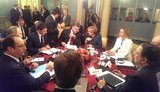
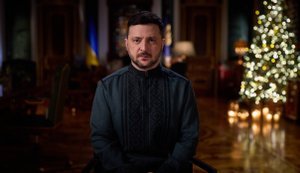
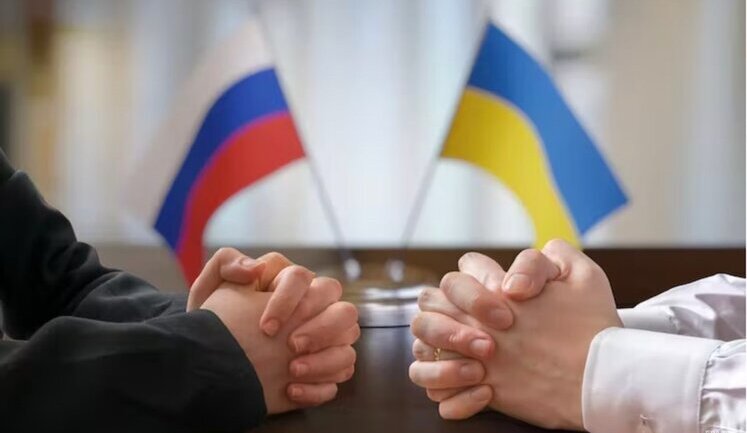
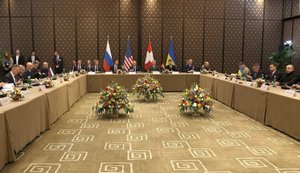
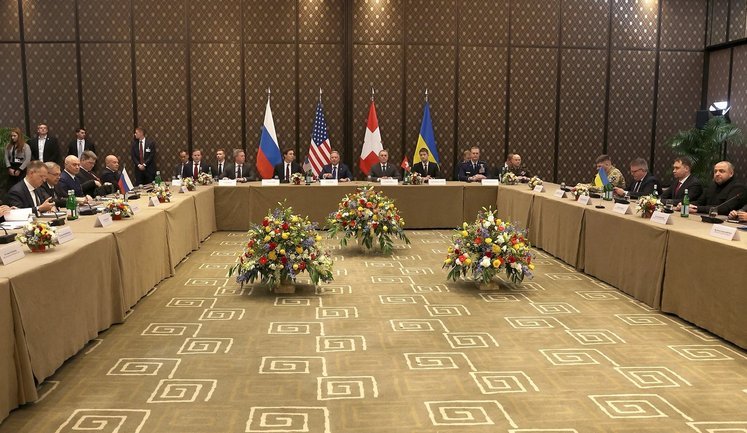
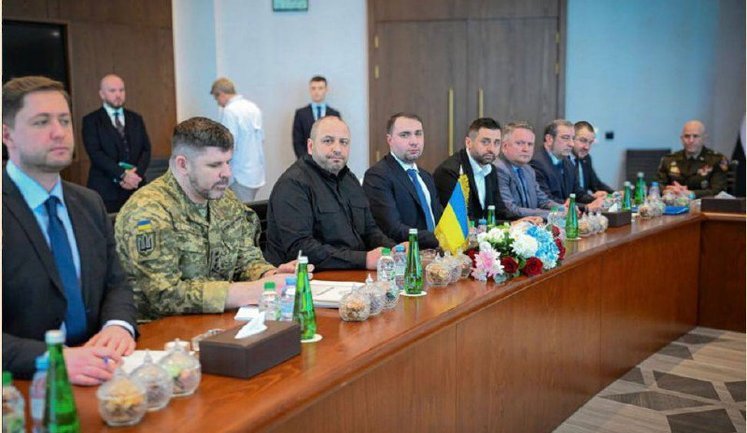
The negotiations between Russia and the European Union are facing significant challenges. Dmitry Peskov, the spokesperson for the Russian government, highlighted that Russia has not yet received a reply concerning Gerhard Schröder’s candidacy as a mediator in talks. Concurrently, Kaja Kallas of the EU expressed skepticism about Schröder's capability to mediate due to his connections with Russia. Amid these tensions, Germany ponders nominating its president, Steinmeier, for the mediation role. Ukrainian President Zelenskyy continues to coordinate with global leaders, including Finland's Stubb, to strategize responses. These developments illustrate the intricate geopolitical dynamics surrounding negotiations amid the ongoing Ukraine conflict, emphasizing the need for a coordinated international diplomatic approach. Key terms include negotiations, EU diplomacy, mediator role, and Ukraine conflict resolution.
What are the current challenges facing negotiations between Russia and the EU?
One of the primary challenges is the lack of response from the EU on Russia's proposal to have Gerhard Schröder mediate negotiations. Additionally, concerns have been raised about Schröder's ties to Russia, potentially impacting his ability to serve impartially. This situation highlights the complexity of international diplomacy in resolving tensions related to the Ukrainian conflict.
Why is Gerhard Schröder considered a controversial choice for mediator?
Gerhard Schröder is considered controversial due to his perceived affiliations with Russia, which casts doubt on his perceived neutrality and effectiveness as a mediator in negotiations between Russia and the European Union. This has sparked debate within European political circles about his suitability for the role.
Who might Germany propose as an alternative candidate for negotiation mediation?
Germany is considering President Frank-Walter Steinmeier as an alternative candidate for the role of mediator in negotiations between the European Union and Russia. His involvement is seen as a move to establish a more neutral and acceptable figure in the negotiation process, albeit with complex political implications.
What actions is Ukraine taking amid ongoing negotiation challenges?
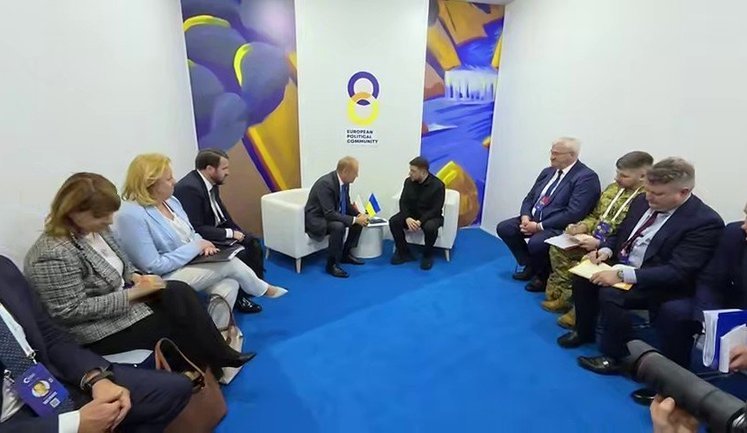
Ukraine, under President Zelenskyy's leadership, continues to engage with international partners such as Finnish President Stubb to align strategies and strengthen diplomatic responses. Ukraine emphasizes the importance of an inclusive international framework to pursue negotiations and resolve the ongoing conflict with Russia.
What role does the EU play in negotiations to end the conflict in Ukraine?
The European Union plays a vital role in negotiations aimed at ending the conflict in Ukraine by coordinating responses and exploring different diplomatic approaches such as changing mediators. The EU’s involvement is crucial for shaping a comprehensive international strategy to address Russian conflicts and their implications for European stability.