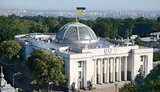
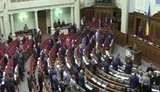
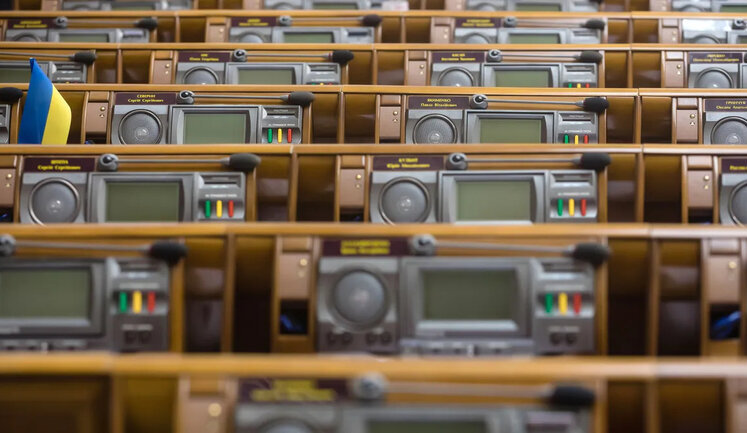
The Verkhovna Rada in Ukraine has recently made headlines with a series of resolution-related actions. Notably, a group of MPs introduced a draft resolution to nominate former US President Donald Trump for the Nobel Peace Prize, sparking debate across political arenas. In another legislative attempt, the Rada failed to adopt a resolution supporting President Zelenskyy amidst ongoing Russian aggression, raising concerns about political unity. Additionally, attention is focused on Regulation No. 560, concerning the mobilization of men under 25, which has prompted requests for amendments by political figures such as Oleksandr Fedienko. These developments underscore the dynamic political climate in Ukraine as it navigates domestic challenges and international relations.
What is the significance of the recent resolution on Trump's Nobel nomination?
The proposal to nominate Donald Trump for the Nobel Peace Prize by Ukraine's MPs is a controversial move reflecting a complex political strategy. It highlights Ukraine's intent to leverage international diplomacy in its favor, while fostering discussions about peace and conflict resolutions. This suggestion serves as a reminder of Ukraine's ongoing efforts to position itself positively on the global stage.
Why did the Verkhovna Rada fail to support the resolution for Zelenskyy?
The failure to adopt the resolution in support of President Zelenskyy at the Verkhovna Rada signifies underlying tensions and divisions within the Ukrainian parliament. The resolution aimed at consolidating support for democratic principles against Russian aggression, but its rejection points to potential disagreements over the best approach to national security and governance.
How is Resolution No. 560 affecting Ukraine's defense policies?
Resolution No. 560 impacts Ukraine’s defense policies by allowing the compulsory mobilization of men under 25, intended to bolster military readiness. This has sparked debates on the ethicality and efficiency of such mobilization practices, leading to calls for regulation amendments to address public concerns and optimize defense strategies in the face of persistent threats.
What changes were made by the Ukrainian government regarding military medical examinations?
Recent amendments by the Ukrainian government to the military medical examination processes stipulate that individuals under the age of 25 are now exempt from being sent to military medical commissions for assessment. This change underlines the government's adaptive measures to refine its conscription framework, balancing manpower needs with socio-economic factors impacting young military-age citizens.
What are the implications of Ukrainian men not obtaining passports abroad?
The resolution preventing Ukrainian men of military age from acquiring passports abroad is linked to national security strategies, particularly in the context of military conscription policies. This restriction aims to retain potential draftees within national borders, ensuring a ready pool of personnel to be mobilized when necessary, although it raises concerns over personal freedom and civil rights.