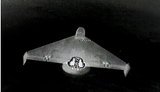
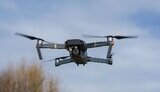
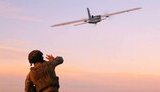
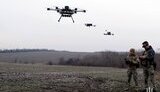
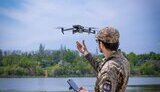
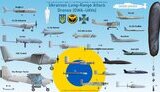
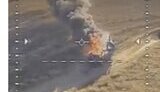
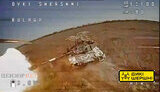
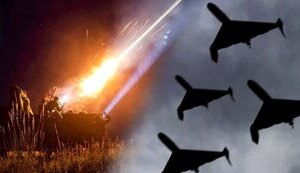
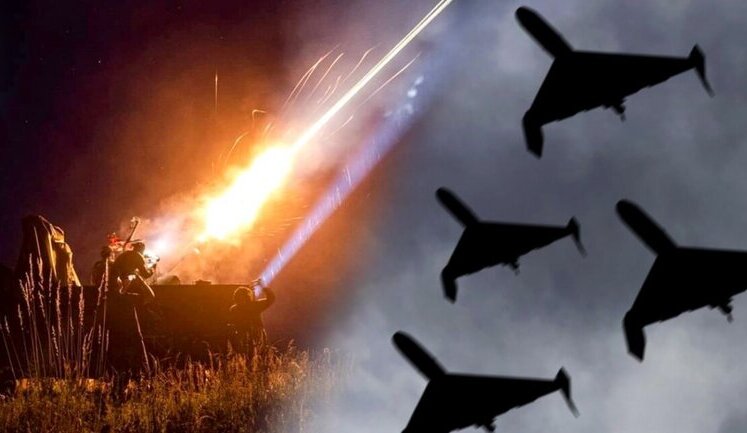
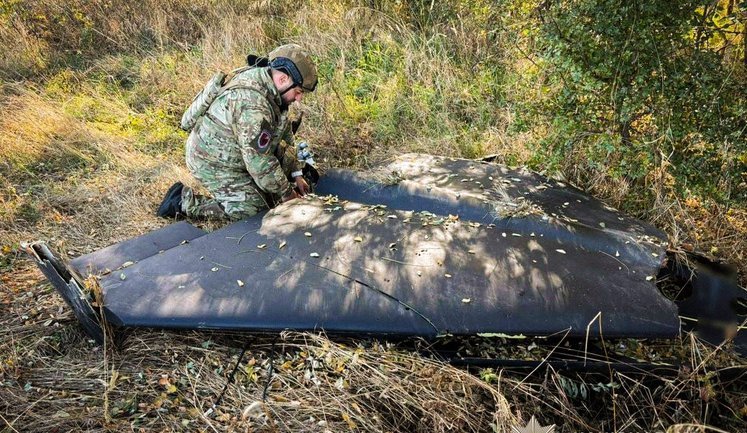
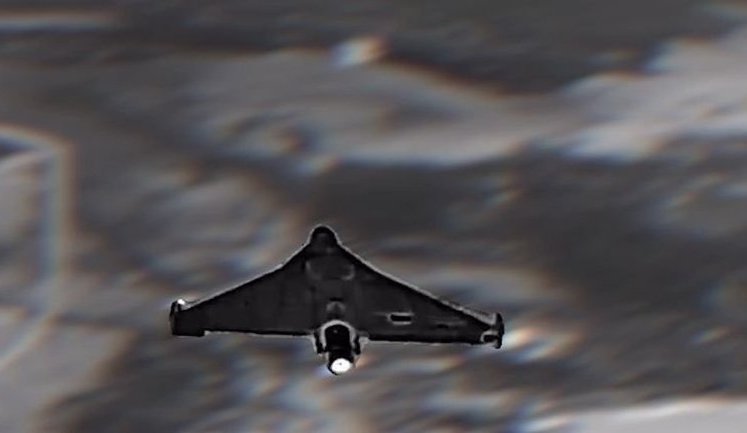
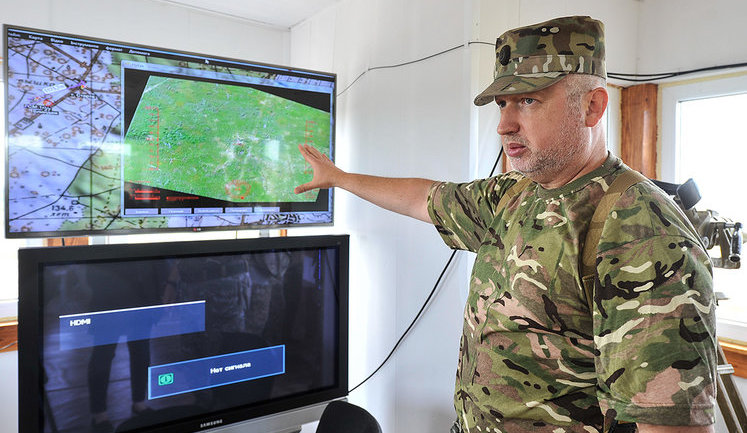
Ukraine faces relentless drone attacks as Russia escalates its military tactics, deploying hundreds of UAVs, including jet-powered models. Air defense systems were able to neutralize a substantial portion, blocking 95% of threats. Russian advancements now include enhanced UAV cameras for improved target acquisition, exacerbating regional security challenges. In response, Ukrainian airspace saw significant activity with massive defensive efforts amidst ongoing infrastructural impacts. The strategic significance of UAVs continues to evolve, spotlighting the critical role of air defenses and international collaborations aimed at countering the burgeoning airborne threat.
What types of drones are being used in the conflicts?
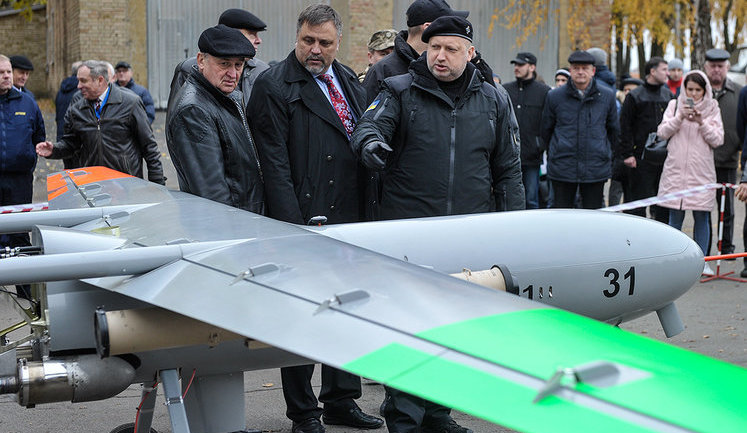
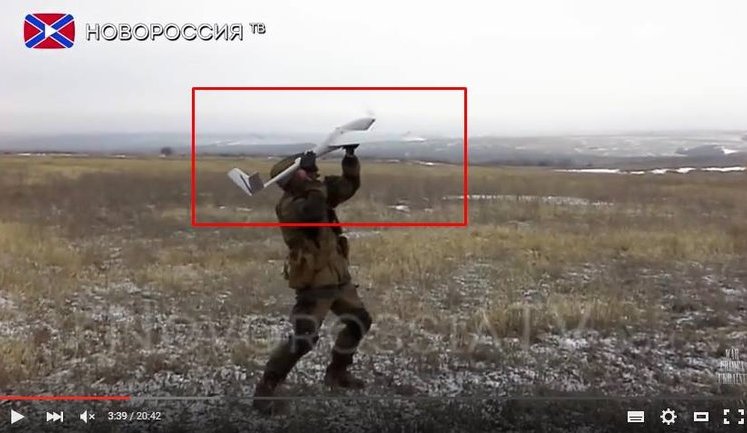
Both strike and jet-powered drones are used by Russian forces, with models like Shahed and Gerber. These UAVs are equipped with advanced technology, including high-resolution cameras and specialized warheads for infrastructure targeting. Jet-powered UAVs add speed and maneuverability, posing additional challenges for air defense systems.
How is Ukraine responding to the increased drone activity?
Ukraine's air defense forces are heavily engaged in intercepting and neutralizing the UAV threats. They have successfully shot down a large percentage of incoming drones using missile systems and coordinated defense strategies. Additionally, Ukraine collaborates internationally for defense technology and intelligence sharing.
What impact do these drone attacks have on civilian areas in Ukraine?
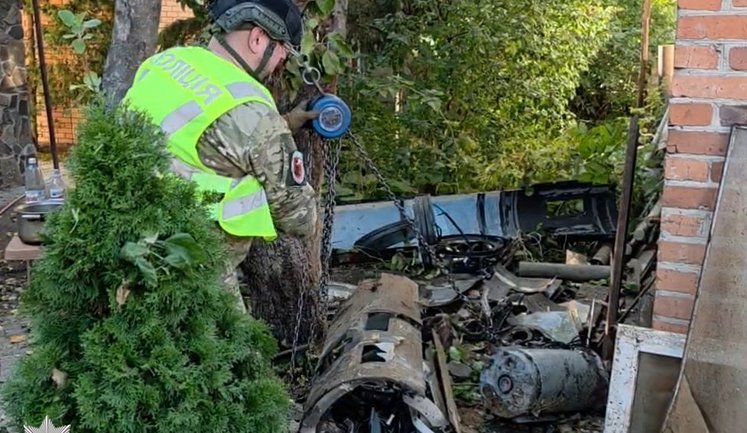
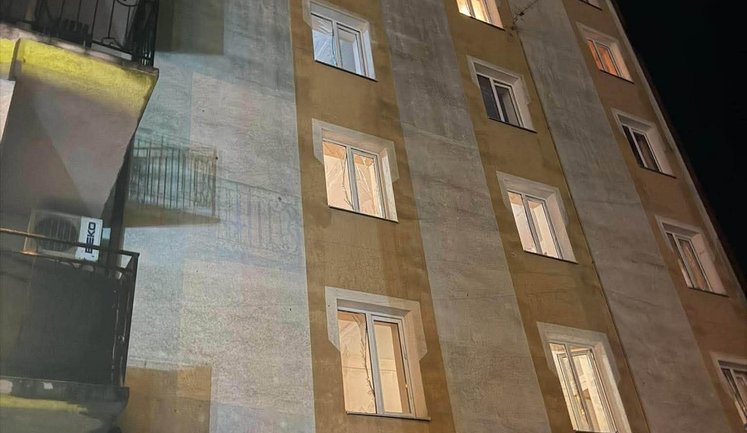
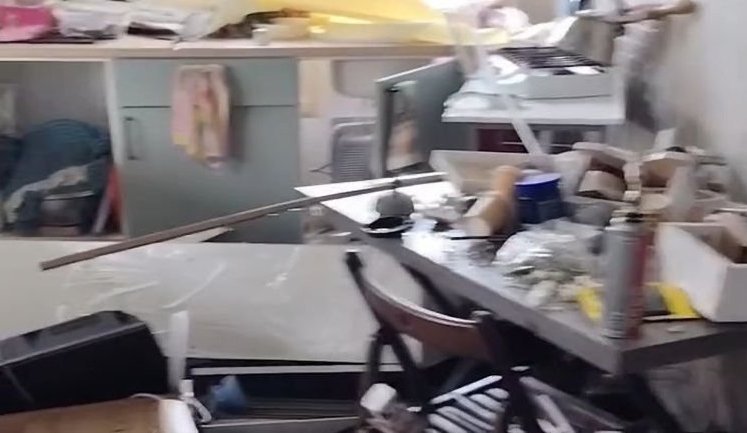
The drone attacks have caused significant damage to civilian infrastructure, including power lines, bridges, and residential areas. This has led to injuries and fatalities among civilians. The disruptions also affect daily life, leading to temporary closures of airspace and mass evacuations during attacks.
What advancements in drone technology are being observed?
Recent observations indicate advancements in UAV camera resolution, allowing for more precise target identification and reconnaissance. These technological improvements enhance the effectiveness of UAVs in deploying detailed strikes on strategic and high-value targets, thus intensifying security concerns.
How has the drone warfare affected international relations?
The intensification of drone warfare has prompted increased international dialogue concerning defense support and military aid. Nations like the UK have offered technology sharing and intelligence support, while the EU has allocated funds specifically for bolstering Ukraine's defense capabilities against UAV threats.