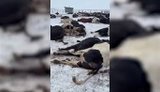
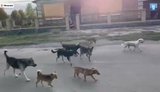
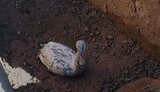
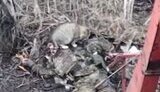
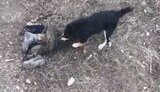
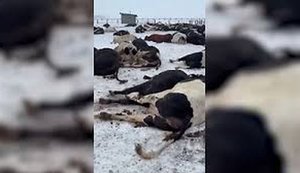
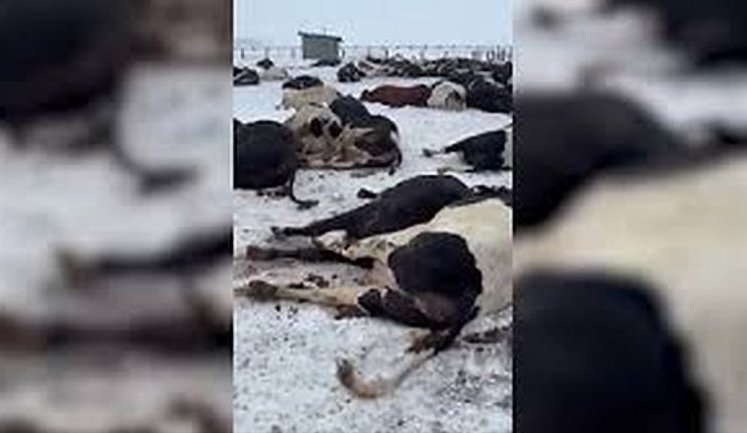
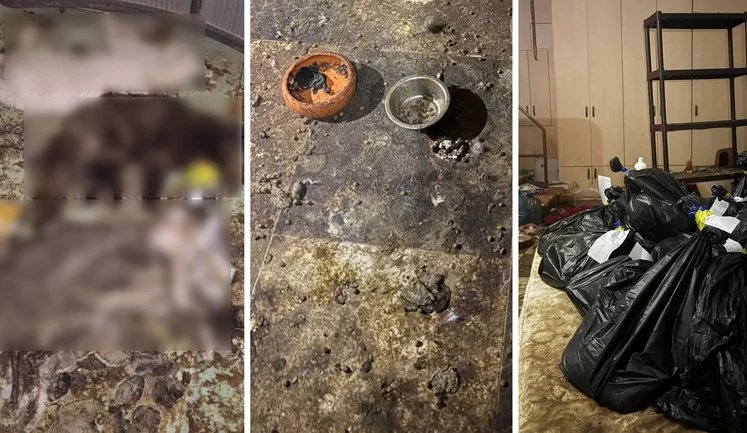
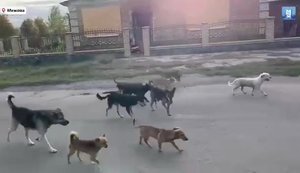
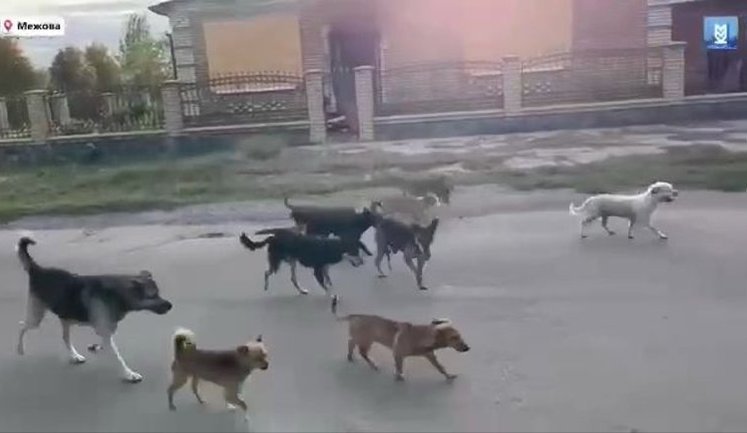
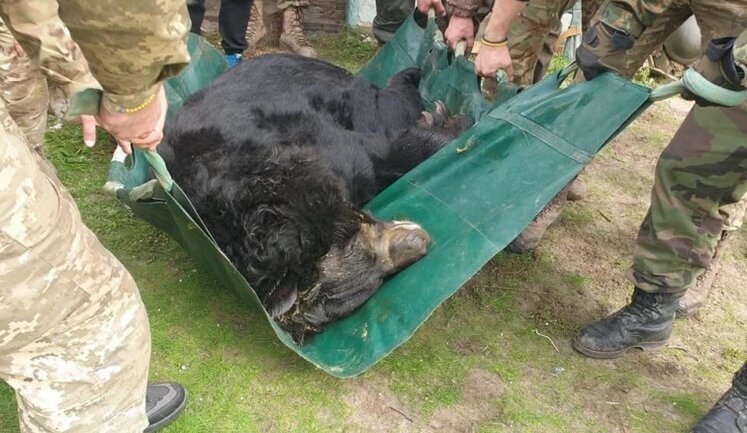
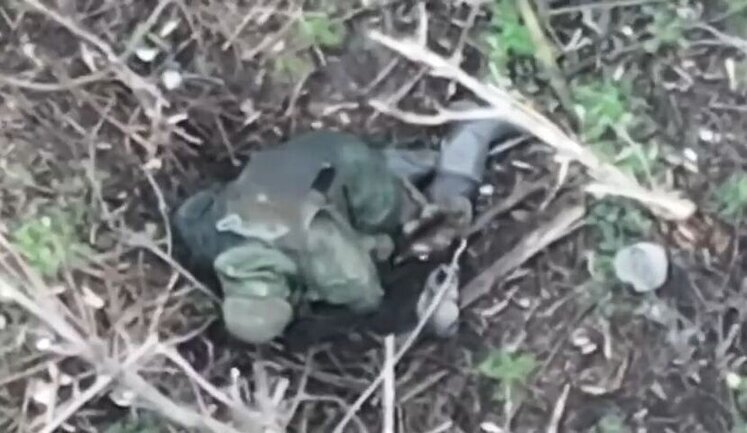
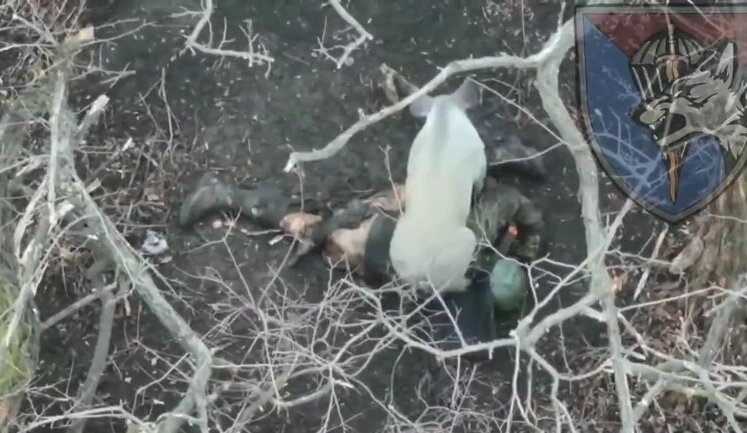
In the ongoing conflict zones within Ukraine, animals are becoming both victims and unexpected actors. Recent events highlight the complexities involving animals amidst war. Notably, Ukrainian border guards in Kherson region recently rescued a swan trapped in a trench, ensuring its safety and release back into the wild. This incident exemplifies a positive interaction in stark contrast to other disturbing reports where animals are embroiled in grim scenarios. In Mezhova, stray dogs roam in alarming numbers as volunteers struggle to manage. Meanwhile, instances of animal exploitation by occupying forces and wildlife casualties in nature reserves demand urgent attention. These stories underscore critical animal protection and rights issues requiring comprehensive responses to ensure their safety and welfare.
What measures are being taken to protect animals in conflict zones?
Animals in conflict zones often face dire conditions, prompting rescue efforts from local authorities and volunteers. These include the creation of temporary shelters and evacuation procedures, alongside broader advocacy efforts for animal welfare that seek international support. Ensuring the safety of wildlife and domestic animals becomes a priority amidst instability, highlighting the need for dedicated resources and strategies to safeguard these vulnerable creatures during conflicts.
How are stray animals managed in areas affected by war?
Managing stray animals in war zones is challenging due to limited resources. Efforts focus on rescue operations by dedicated organizations and volunteers, who aim to rehome animals or provide temporary shelter. Collaboration with international animal rights groups is crucial to access necessary supplies and support that address the growing number of stray animals, ensuring their welfare despite the hurdles posed by ongoing conflict.
What is the impact of using animals for military purposes in conflicts?
Using animals for military purposes in conflicts raises significant ethical and welfare concerns. It often results in physical harm or death for these animals and poses moral dilemmas for military organizations. Advocates push for adherence to international laws protecting animals in such situations, emphasizing the need for humane treatment and the cessation of exploiting animals as tools in warfare.
How do animal rights groups respond to incidents of animal harm in war zones?
Animal rights groups respond to incidents of harm by raising awareness, calling for immediate action, and providing aid. Their responses include dispatching rescue missions, delivering supplies, and lobbying for stronger protections and sanctions against perpetrators. They aim to ensure accountability, push legislative changes, and support rehabilitation efforts for affected animals.
What are the challenges in safeguarding wildlife in nature reserves during conflicts?
Safeguarding wildlife in nature reserves during conflicts is fraught with challenges, including resource constraints, direct threats from military activities, and habitat destruction. Protecting these areas requires increased security measures, international advocacy, and collaboration with local communities to monitor and respond quickly to threats. Conservationists emphasize the importance of maintaining these vital ecosystems despite adverse conditions.
How do local communities contribute to animal protection during wartime?
Local communities play a vital role in animal protection during wartime by providing sanctuary, reporting abuses, and participating in rescue operations. They often collaborate with NGOs and authorities, organize local initiatives to care for abandoned animals, and advocate for humane treatment. Their grassroots efforts are critical in ensuring the continued welfare of animals amidst the disruption caused by conflict.