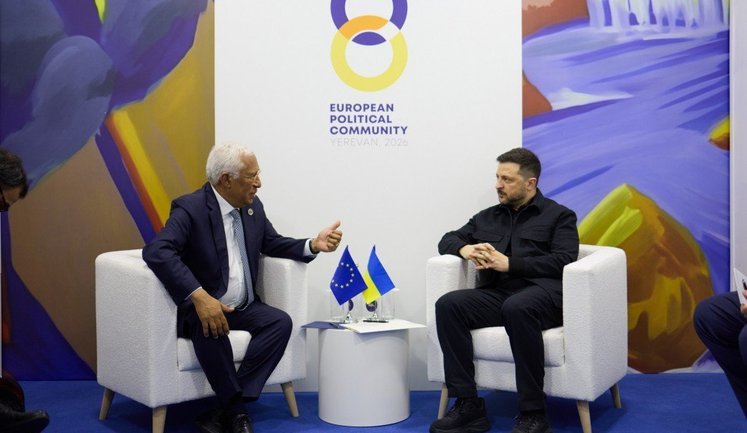
The European Union continues to play a pivotal role in shaping Ukraine's future, announcing significant financial aid and political support. Among the key developments, the EU has committed to a substantial €90 billion loan to facilitate crucial military purchases, including drones, underscoring its support for Ukraine amidst ongoing conflict. Moreover, the EU has been actively engaged in Ukraine's European integration process, preparing to launch negotiation clusters for potential accession. Simultaneously, the EU's firm stance against Russian aggression is evident through new sanctions targeting individuals linked to the abduction of Ukrainian children. As discussions about Ukraine's accession to the EU progress, the Union also emphasizes the gradual inclusion of Ukraine in its market and programs as a pragmatic step toward full membership, indicating a steadfast resolve in strengthening ties with Ukraine amidst geopolitical challenges.
What is the European Union's loan plan for Ukraine?
The European Union has announced a €90 billion loan package aimed to support Ukraine's defense, particularly for purchasing drones essential for its military efforts. This package demonstrates the EU's commitment to aiding Ukraine financially during its conflict with Russia. Furthermore, discussions are underway to disburse the first tranche, emphasizing the urgency and continuous EU support.
How is the EU supporting Ukraine's aspirations to join the Union?
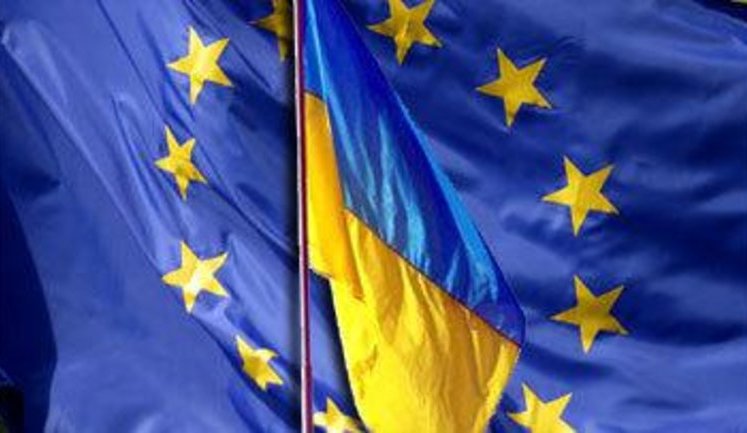
The EU is actively supporting Ukraine's aspirations for accession by preparing to open all necessary negotiation clusters by summer. While accession is a complex process, the EU is facilitating Ukraine's integration into its market and programs despite ongoing challenges and delays in accession talks, showcasing the EU's intent to bring Ukraine closer to membership.
What is the EU's stance on Russia's actions against Ukraine?
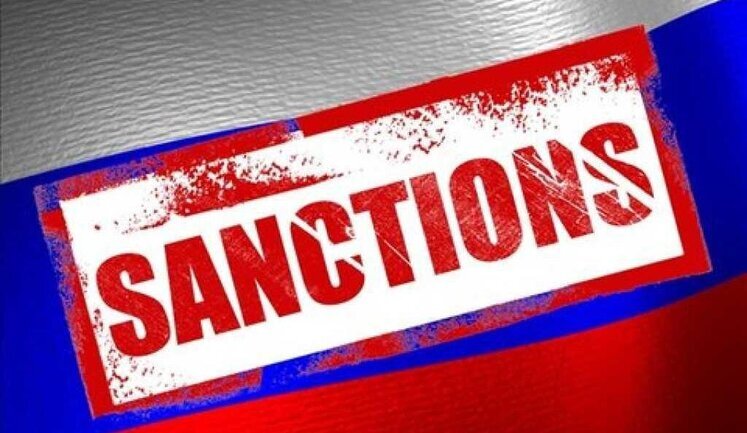
The EU has consistently opposed Russian aggression against Ukraine, most recently by imposing a new wave of sanctions targeting individuals linked to the abduction and deportation of Ukrainian children. These sanctions are part of the EU's broader strategy to hold Russia accountable and deter further violations, reflecting a robust stance against Russian aggression.
How are EU leaders addressing the potential peace talks with Russia?
European leaders are cautiously preparing for potential peace talks with Russia, amidst frustration with existing peace initiatives. The EU foreign ministers are also discussing new security guarantees for Ukraine, which could include satellite monitoring and EU participation in supervising any ceasefire regime, reflecting Europe's role in facilitating diplomatic solutions.
What are the implications of Ukraine's EU accession delays?
Delays in Ukraine's EU accession have led the European Union to develop interim strategies that offer pre-accession benefits without full membership voting rights. This pragmatic approach allows Ukraine access to the EU market and programs, reinforcing mutual engagement and laying the groundwork for eventual full integration while full accession requirements are met.
What recent developments pertain to EU's expanded mission in Ukraine?
The EU has broadened the mandate of its advisory mission in Ukraine, a strategic move to provide more extensive support and bolster bilateral relations. This decision, adopted by the EU Foreign Affairs Council, underscores the Union's commitment to fostering stability and reinforcing Ukraine's capabilities in the geopolitical landscape.