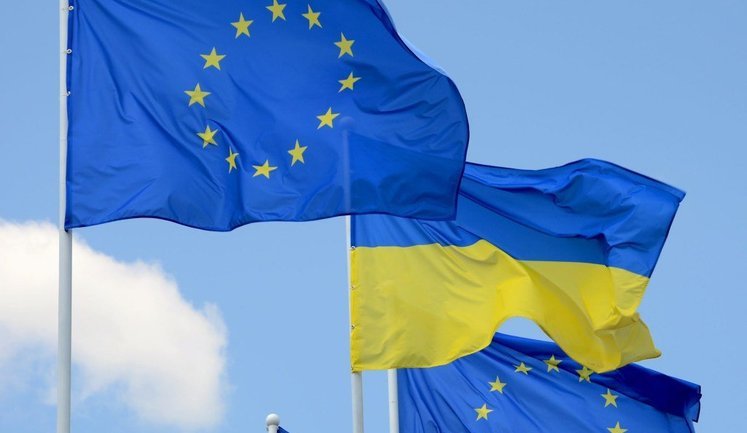
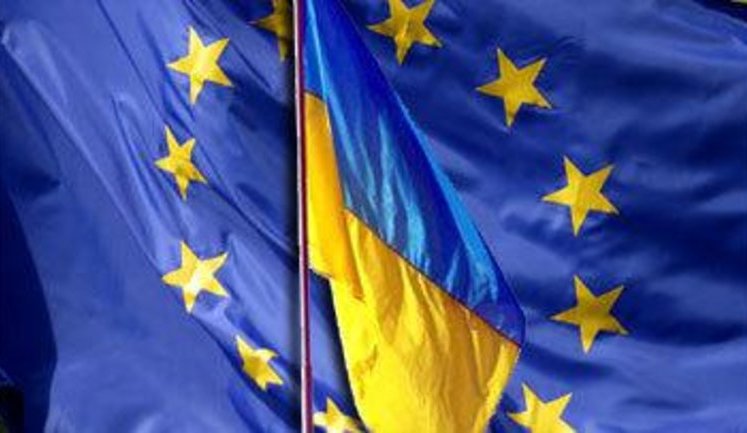
The European Union faces a crucial moment in its political and financial strategy as it grapples with the decision to unblock a €90 billion loan to Ukraine. This substantial financial aid package, currently held up by Hungary's veto and other dissenting voices, is critical for Ukraine's winter preparations and economic stability. President Volodymyr Zelenskyy has expressed concerns over the delay, emphasizing the need for alternative solutions should the EU fail to reach consensus. Meanwhile, strategic partnerships within the EU are tested, with national interests occasionally clashing over broader solidarity objectives. The EU also navigates broader geopolitical challenges, balancing energy policies and imposing sanctions against Russia amidst ongoing conflicts. European leaders are determined to maintain unity and seek strategic alternatives to ensure both financial assistance to Ukraine and the EU's own security and infrastructure protection.
Why is the €90 billion loan to Ukraine blocked by the EU?
The €90 billion loan to Ukraine is blocked primarily due to Hungary's veto, driven by its national interests and disagreements with EU policies. This political standoff creates significant challenges for Ukraine's financial stability, necessitating alternative solutions and strategically critical decisions for the EU. Discussions are ongoing to resolve the situation and ensure timely aid delivery.
What are the implications of the EU's delay in providing the loan to Ukraine?
The delay in providing the loan affects Ukraine's preparation for winter and economic stability, heightening the urgency for a resolution. It could impact Ukraine's infrastructure development and overall economic resilience. As the EU seeks consensus, any prolonged blockage risks undermining solidarity within the union and delaying critical support for Ukraine.
How is the EU balancing its energy policies amid geopolitical tensions?
The European Union strives to balance energy independence and diplomatic relations amidst geopolitical tensions. This includes reducing reliance on Russian energy sources, promoting alternative energy solutions, and advocating for stronger EU-wide energy security. Strategic decisions involve negotiating energy access while imposing sanctions to reinforce political stances against Russian aggression.
What strategies is the EU considering to support Ukraine despite internal opposition?
To support Ukraine amid opposition from Hungary and Slovakia, the EU is exploring alternative financial pathways and diplomatic negotiations to bypass dissenting votes. Efforts focus on seeking consensus, prioritizing strategic partnerships, and leveraging political channels to expedite the loan disbursal process, demonstrating commitment to Ukraine’s aid.
In what ways is the EU addressing the critical infrastructure protection in Ukraine?
The EU is actively engaged in modernizing Ukraine's critical infrastructure through financial investments and expert collaboration. This includes defense measures against external threats and technological advancements to ensure infrastructure resilience. Dialogue with Ukrainian leaders continues to reinforce mutual efforts for sustainable infrastructure development and security improvements.
What role does the European Commission play in resolving the financial aid blockage?
The European Commission plays a pivotal role in facilitating negotiations and proposing strategic alternatives to resolve the financial aid blockage for Ukraine. It actively engages member states to reach consensus, highlighting the importance of solidarity and collectively addressing economic and geopolitical challenges for timely loan disbursement.
How are EU internal divisions affecting its foreign aid strategies?
Internal divisions within the EU, such as disagreements on financial aid and national priorities, impact its foreign aid strategies by causing delays and necessitating complex negotiations. Overcoming these divisions is essential to unify the EU's approach, maintain external credibility, and ensure effective support for countries like Ukraine amid global challenges.
What are the broader geopolitical challenges affecting the EU's financial decisions?
The EU's financial decisions are influenced by broader geopolitical challenges, including tensions with Russia, energy dependencies, and regional conflicts. These issues necessitate balancing national interests with collective EU strategies, ensuring preparedness and resilience against external threats while engaging in international diplomacy to navigate complex global interdependencies.