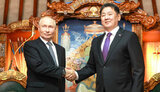
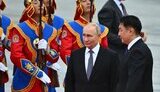
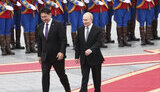
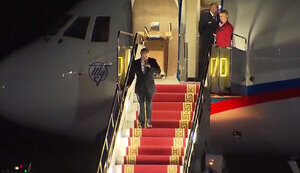
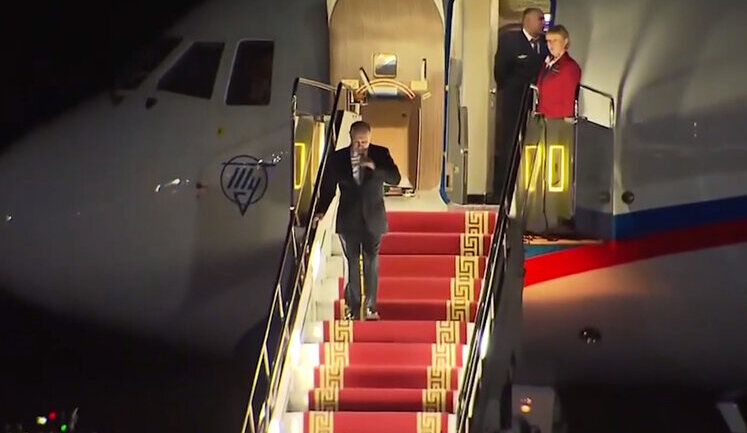
Mongolia recently found itself at the center of international tension when it refused to arrest Russian leader Vladimir Putin during his visit, despite being a signatory to the Rome Statute of the International Criminal Court (ICC). The Mongolian government cited its reliance on Russian energy imports as the reason for its decision, though this has not placated criticism from both Western governments and human rights organizations. This incident raises questions about Mongolia's position in global geopolitics and its relationship with Russia. The European Parliament and international prosecutors expressed concern over this precedent, potentially affecting Mongolia's standing in international law and politics.
Why did Mongolia refuse to arrest Vladimir Putin?
Mongolia declined to arrest Russian President Vladimir Putin due to its heavy reliance on Russian energy imports. This dependence significantly influences Mongolia's political decisions and interactions with Russia, affecting how it responds to international legal obligations, such as those outlined by the International Criminal Court (ICC).
What is the Rome Statute, and why does it matter for Mongolia?
The Rome Statute is the treaty that established the International Criminal Court (ICC). As a signatory, Mongolia is obliged to comply with ICC mandates, including the arrest of individuals prosecuted by the Court. Mongolia's failure to arrest Putin challenges its commitment to international legal agreements.
How are international organizations responding to Mongolia's actions?
International organizations and political leaders express concern over Mongolia's refusal to arrest Putin. The European Parliament has urged the European Union's High Representative to address Mongolia's actions, reflecting widespread unease about the precedent set and the potential impact on international criminal justice.
What consequences could Mongolia face for not arresting Putin?
Mongolia could face diplomatic repercussions and a reassessment of its international relations strategy due to failing to adhere to international mandates like those from the ICC. Such actions might influence its standing with Western nations and alter geopolitical alliances and partnerships.
Did Mongolia have any prior notice of the ICC warrant for Putin?
Yes, Mongolia was aware of the ICC warrant for Putin, as the Rome Statute obligation has been in place prior to his visit. The absence of action has directed international scrutiny towards Mongolia and raised critical discussions on its international commitments and sovereignty.
How does energy dependence influence Mongolia's foreign policy?
Energy dependence on Russia heavily influences Mongolia's foreign policy, particularly regarding its decisions on economic and political engagements with other countries. This reliance limits Mongolia's ability to make sovereign decisions in alignment with its international and legal responsibilities.