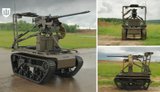
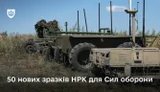
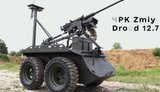
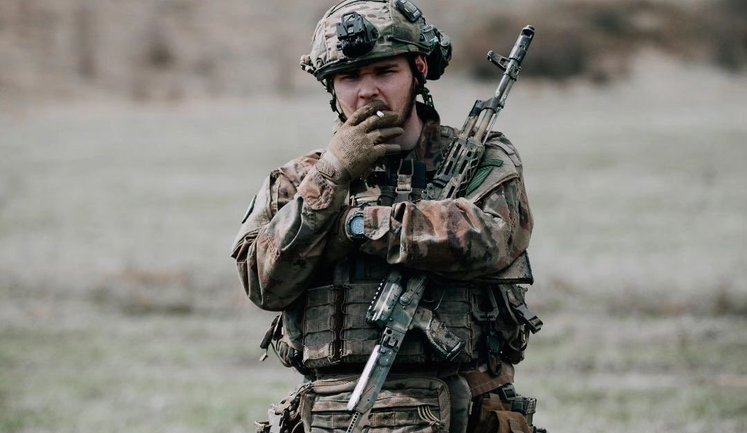
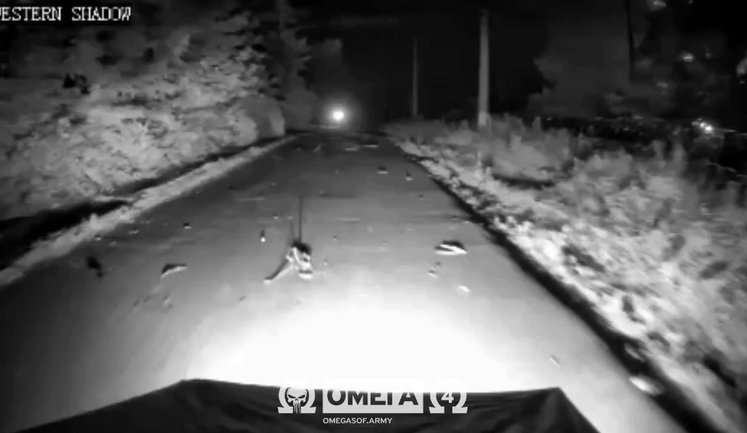
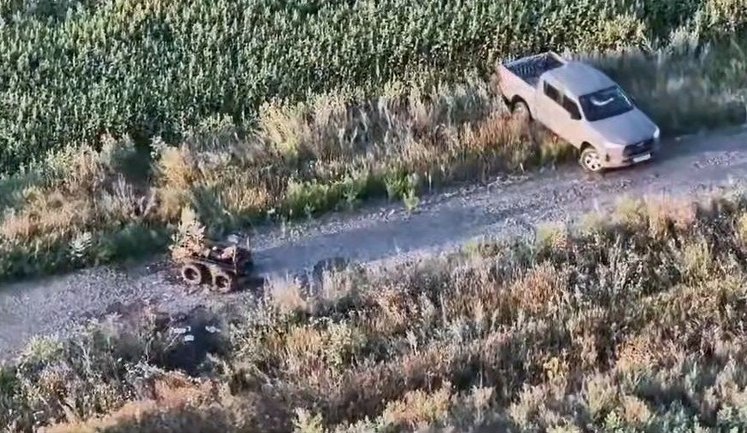
Unmanned Ground Vehicles (UGVs) have become pivotal in Ukraine's defense strategy. The Ukrainian military has integrated UGVs into various missions, showcasing their versatility and effectiveness. In recent operations, amphibious UGVs covered extensive terrains, including water crossings, marking a significant step in logistical missions. Concurrently, units like "NC13" have employed UGVs equipped with grenade launchers to engage enemy positions, while other brigades utilize them for mine clearance and evacuation tasks. The Defense Forces have also marked a milestone by deploying over 100,000 UGV missions in 2026, underlining the growing reliance on these robotic systems. The acquisition of Ratel Robotics by Swarmer is anticipated to boost production capabilities, ensuring continued innovation and effectiveness of UGVs on the battlefield.
What is the role of Unmanned Ground Vehicles in Ukraine's defense?
Unmanned Ground Vehicles (UGVs) are critical to Ukraine's defense, performing tasks ranging from logistics and evacuation to direct combat operations. They reduce human risk, enhance operational efficiency, and increase mission success rates across various terrains, including complex environments like amphibious routes and minefields.
How have Ukrainian forces integrated UGVs in combat operations?
Ukrainian forces have effectively integrated UGVs into combat operations by equipping them with weapons such as grenade launchers and machine guns, enabling them to engage enemy positions and perform strikes. Additionally, UGVs support operations by providing reconnaissance and assisting in mine clearance and rescue operations.
What are the key technological advancements in UGVs in Ukraine?
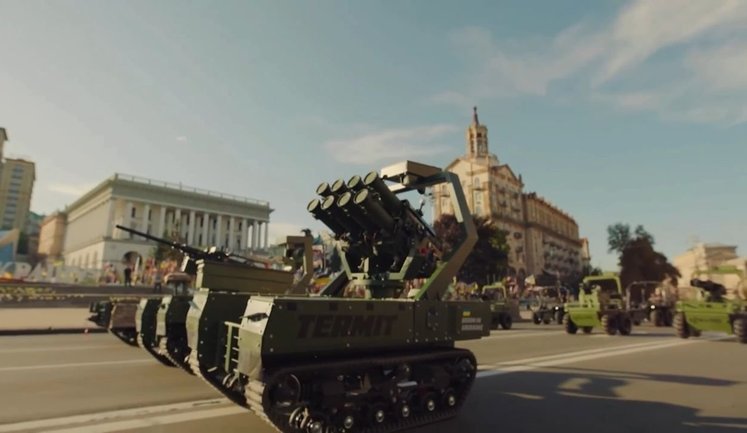
Key technological advancements in Ukraine's UGVs include amphibious capabilities, increased operational range, improved weapon integrations, and robust demining functionalities. Additionally, Ukraine has focused on cost-effectiveness and versatility, as seen with the Pegasus robot's ability to navigate swamps and the mass production of Termit UGVs in collaboration with Germany.
How has international cooperation affected UGV production in Ukraine?
International cooperation has significantly boosted UGV production in Ukraine. Partnerships, such as the signing of agreements with Germany for the production of Termit UGVs and technological exchanges with Finland, have enhanced production capabilities and introduced innovative features by combining local combat experience with global technological advancements.
What impact have UGVs had on logistics and rescue missions?
UGVs have greatly improved logistics and rescue missions by handling dangerous tasks that would otherwise require soldiers to risk their lives. They have completed thousands of missions, including evacuation of civilians from combat zones, which reduces human involvement, increases efficiency, and enhances overall mission success in high-risk areas.
How are UGVs used for mine clearing operations?
In mine clearing, UGVs are equipped with specific sensors and tools to detect and neutralize explosive devices, thus providing a safer alternative to human soldiers. The Third Army Corps notably pioneered the use of UGVs in mine clearance, which has been instrumental in ensuring battlefield safety and mission continuity in hazardous mine-laden areas.